
Last updated November 21, 2026
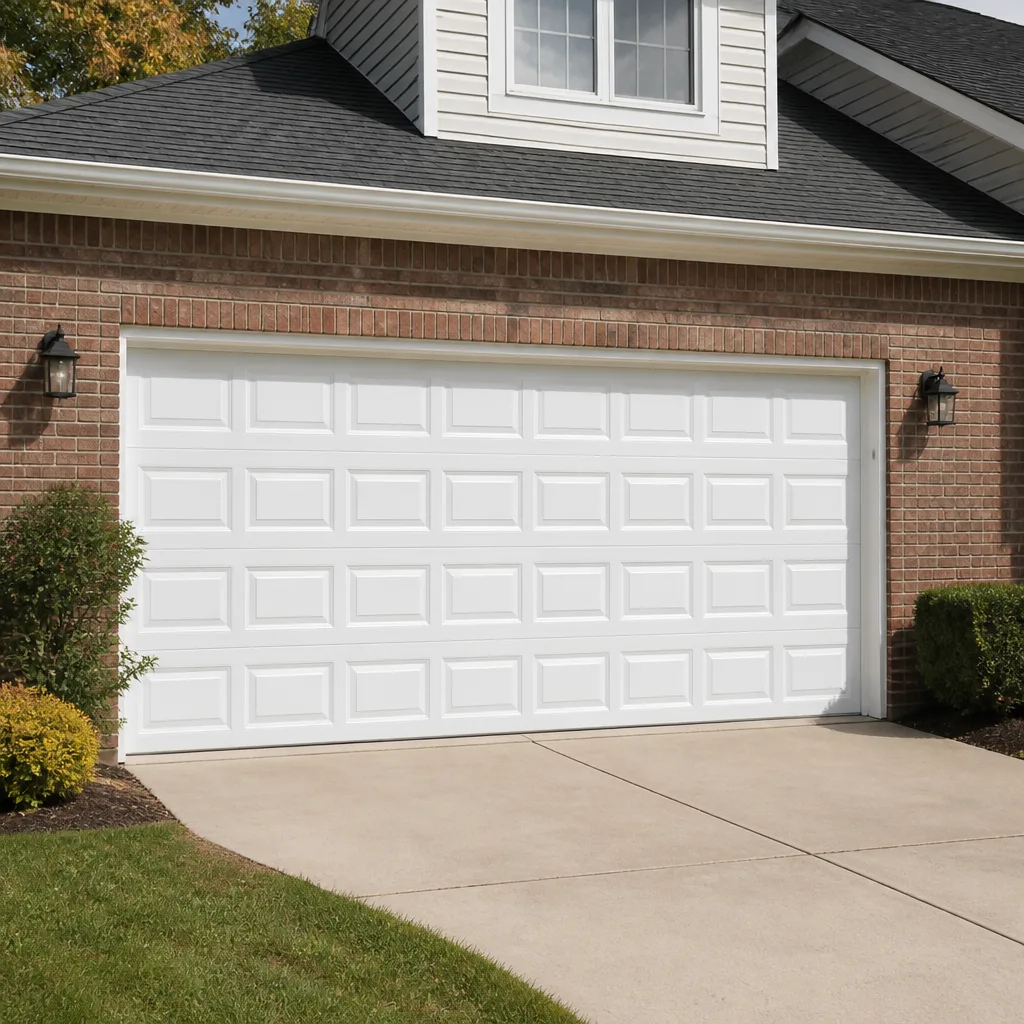 Raised-panel steel
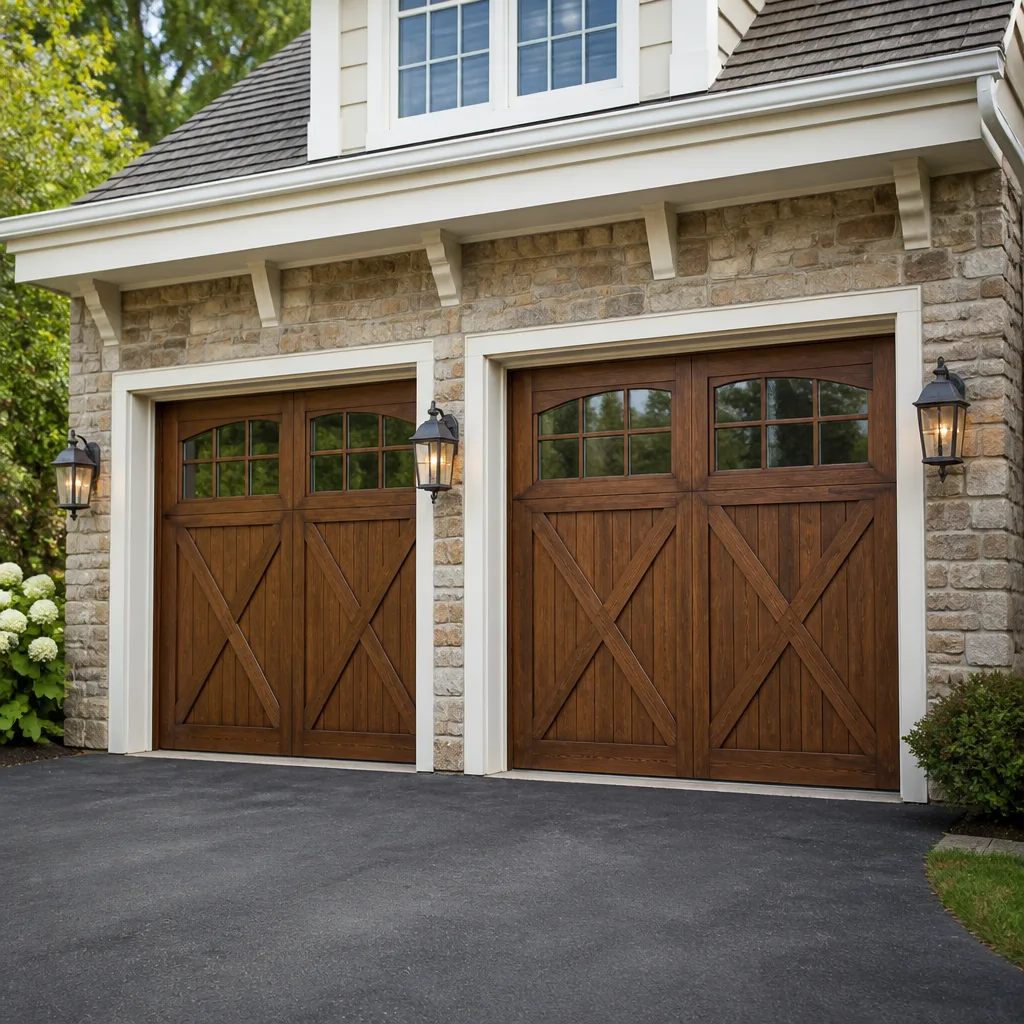 Carriage house
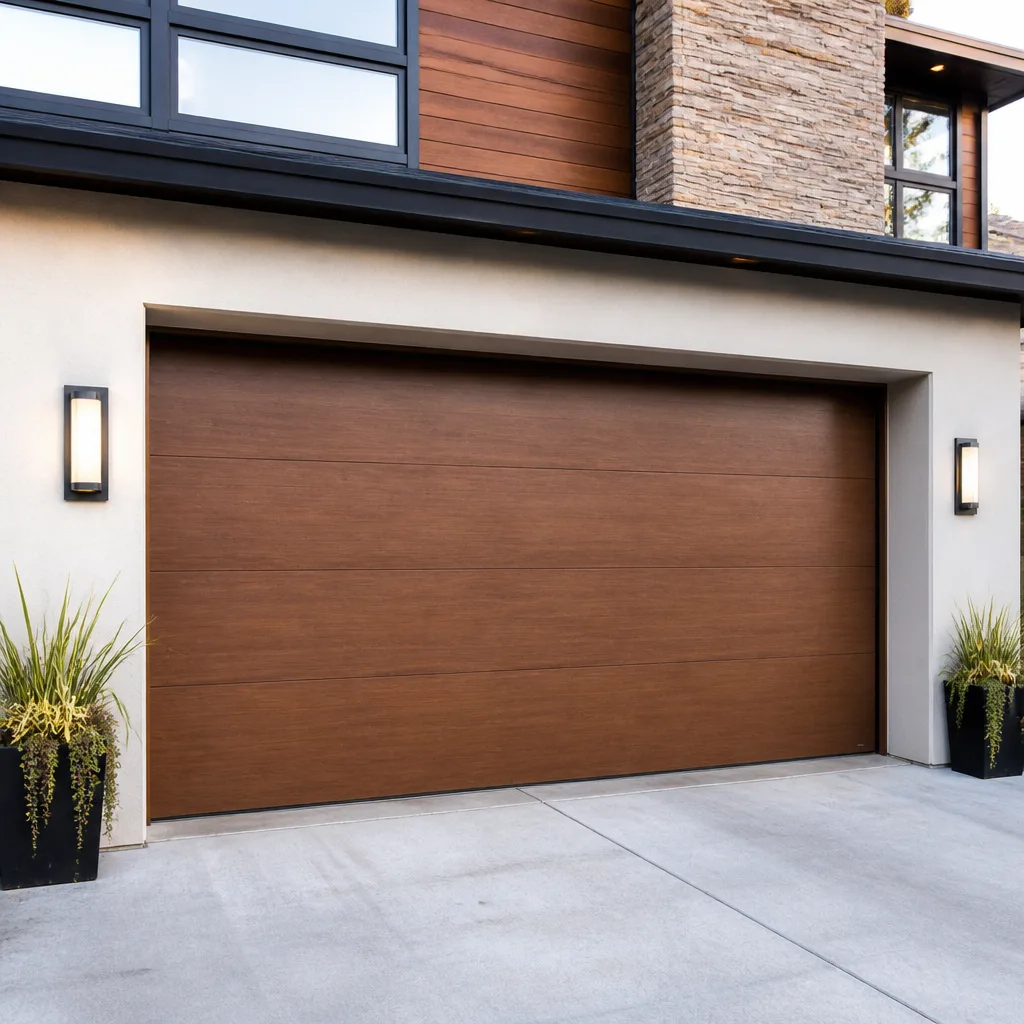 Modern flush
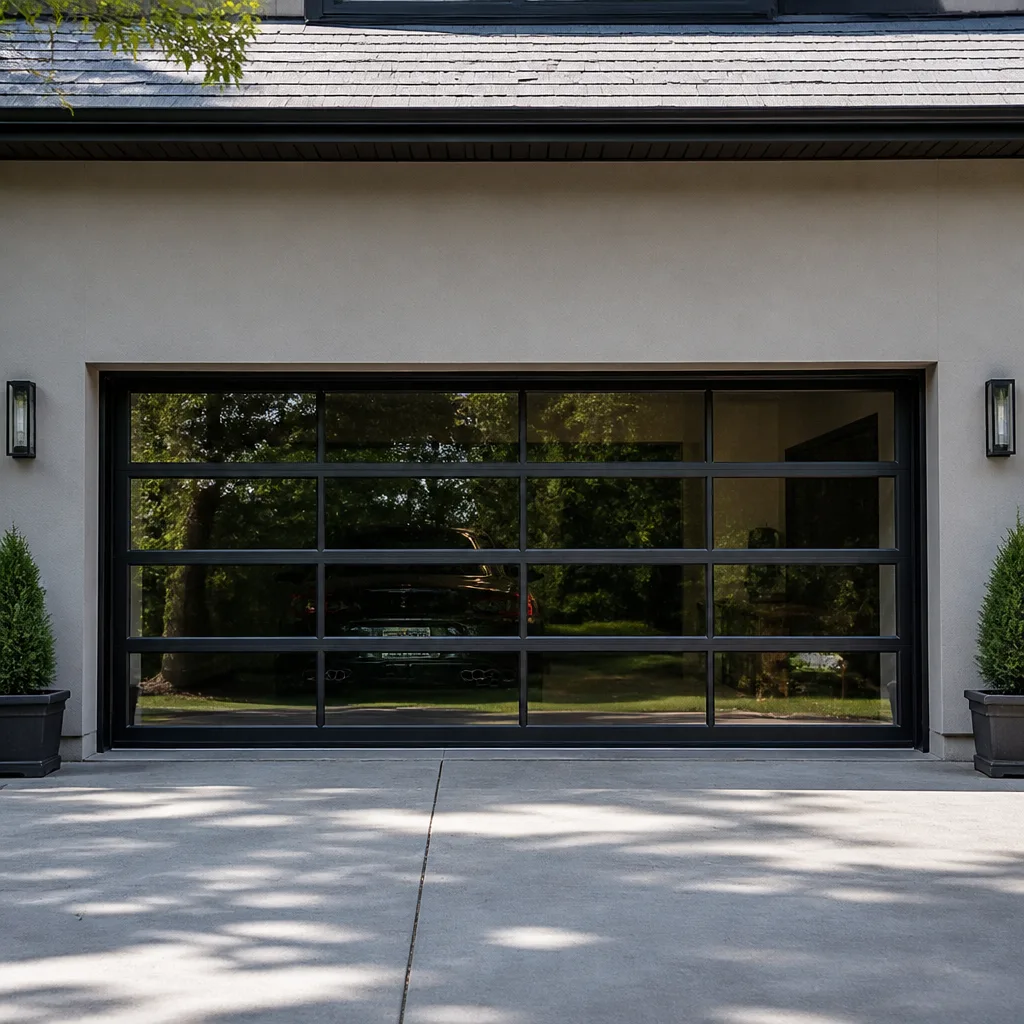 Full-view glass
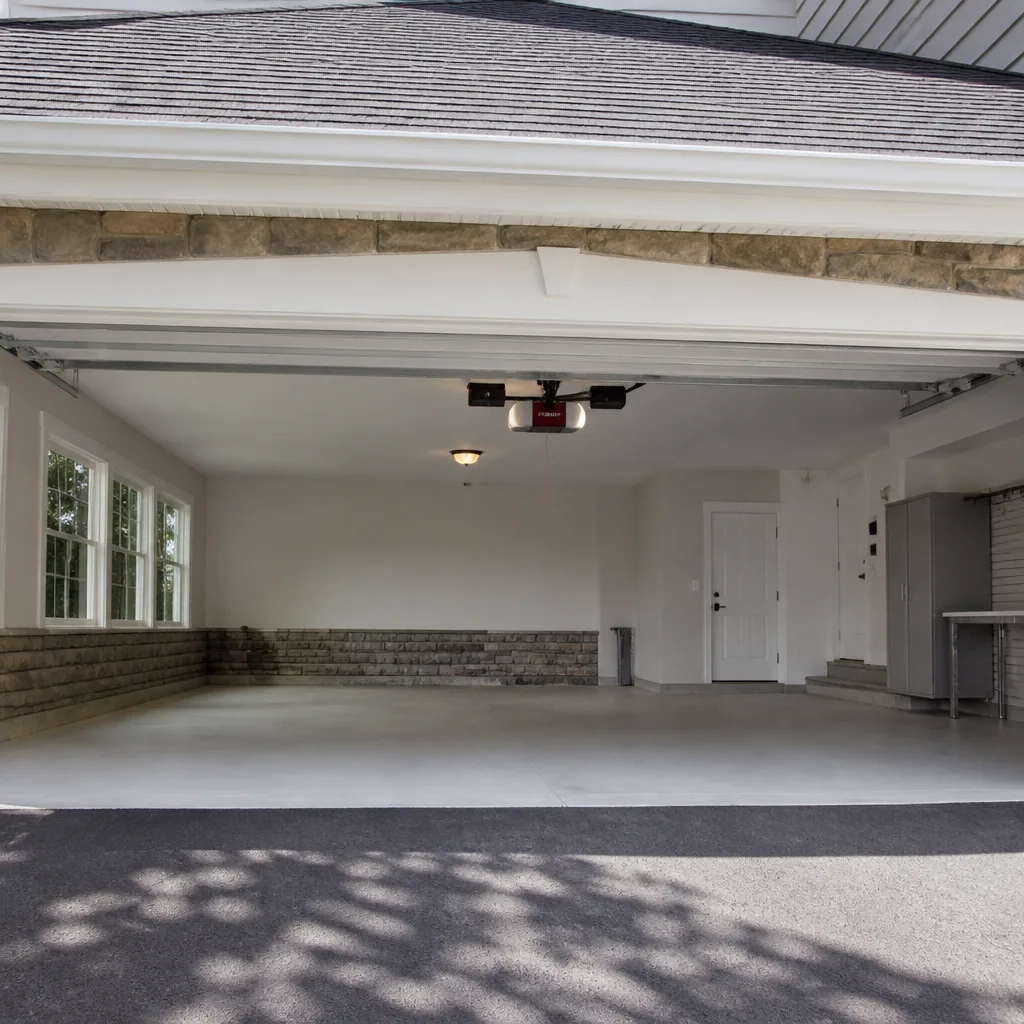 LiftMaster openers
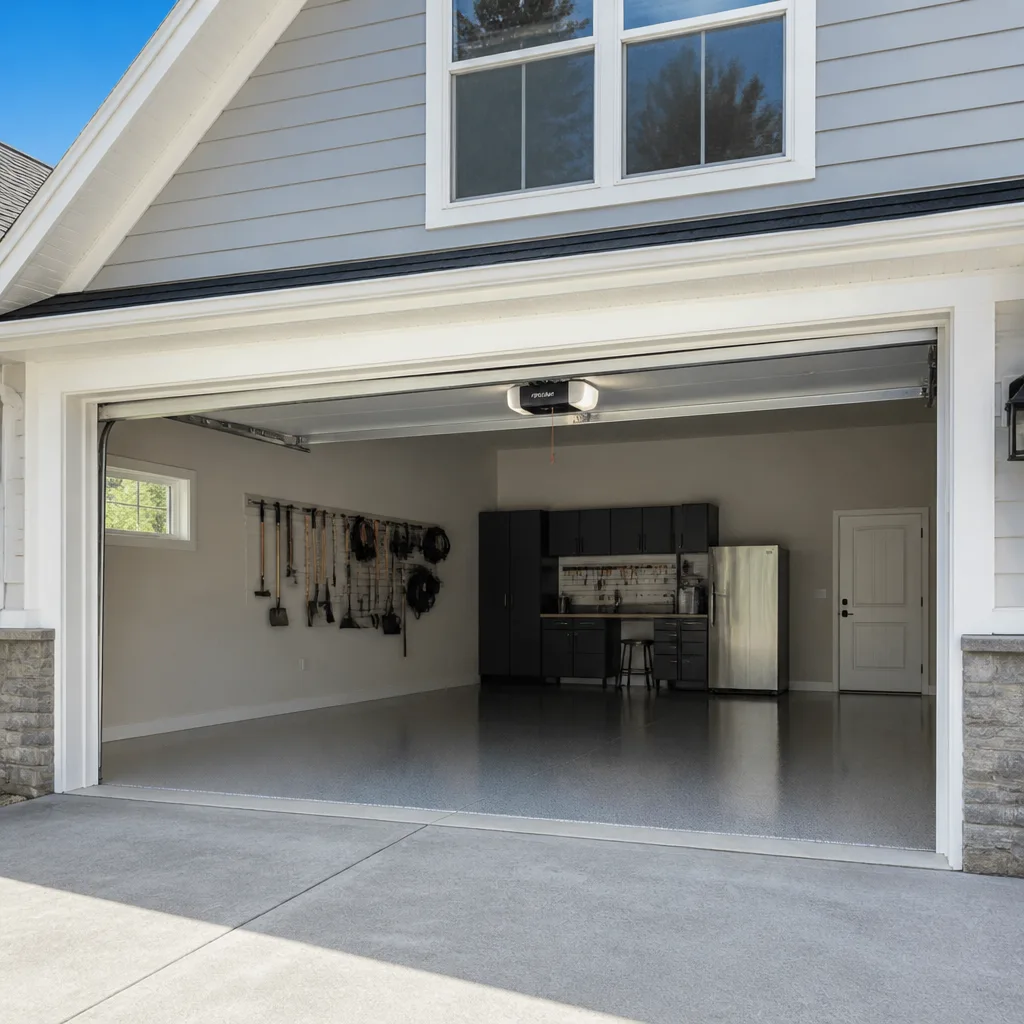 Chamberlain openers
Full 25-point door and opener safety check with every visit - springs, cables, rollers, tracks, and your LiftMaster or Chamberlain opener included
You get a price before we start. It does not change when the pro arrives.
Get your free estimateGarage Door Warning Signs: A Logan Square Homeowner’s Reference Guide
Most garage doors don’t fail without notice. They fail after weeks of quiet, specific complaints that almost every homeowner hears and dismisses as normal. A door that takes two seconds longer to open than it did last month isn’t “getting slow.” That’s usually a torsion spring that has lost tension, and it’s forcing the opener motor to work harder than it was designed to. If the spring doesn’t snap first, the motor will burn out next – and now you’re paying for both. This guide teaches Logan Square homeowners to read those early signals as diagnostic information, not background noise, so you can schedule a repair on your terms instead of losing a door with a car trapped inside.
Quick Answer
A garage door in Logan Square gives roughly 30 to 90 days of observable warning before most failures, and those warnings come in a predictable order: a door that sits unevenly or lifts too easily by hand (spring tension loss), rollers with cracked nylon or cables fraying near the drum, and a change in the type of noise the door makes. Grinding or popping means stop operating and call. Squealing or slapping means schedule service this week. High-tension springs, cables and the torsion assembly are the parts that injure people, so diagnosis and repair belong with a trained technician, not a weekend YouTube session.
Styles & brands we work with
- Raised-panel steel
- Carriage house
- Modern flush
- Full-view glass
- LiftMaster openers
- Chamberlain openers
Table of Contents
- The Seven-Second Balance Test
- Spring Warning Signs: Rust Pitting, Uneven Lift and the Pop That Isn’t Normal
- Roller, Cable and Bottom Seal Wear: What to Look For
- Noise Diagnostics: Grinding vs. Squealing vs. Popping vs. Slapping
- Opener Behavior as a Diagnostic Tool
- Which Signs Mean “Schedule This Week” vs. “Stop and Call Now”
- Why Logan Square Doors Show These Symptoms Sooner
- When to Call a Professional
- Frequently Asked Questions
The Seven-Second Balance Test
The simplest diagnostic you can run on your own garage door takes less time than making coffee, and it tells you more about spring health than any visual inspection. Here’s the concept, framed as a check rather than a repair: with the door closed and the opener disconnected (most openers have a pull cord or release lever for exactly this), lift the door by hand to about waist or shoulder height, then let go. What happens next is your data point.
A healthy door balances. It should feel surprisingly light going up – roughly the weight of lifting a bicycle, not a refrigerator – and it should stay roughly where you stopped it, maybe drifting slowly an inch or two. That’s a spring doing exactly its job: counterbalancing the door’s weight so the opener only has to steer.
A failing door tells you in one of three ways:
- It drops immediately and hard. The springs have lost most of their tension. The opener is now lifting the full weight of the door, which is typically 100 to 200 pounds depending on size and material. This door is days to weeks from a motor failure or a spring snap.
- It feels impossibly heavy going up. Same diagnosis, earlier stage. You’re feeling the gap between what the spring provides and what the door actually weighs. Schedule service.
- It rises on its own or won’t stay down. Oversprung or a spring with uneven tension across a pair. Left alone, that imbalance twists the door frame and wears the tracks. Don’t run the door repeatedly to “test” it.
Reconnect the opener afterward and don’t repeat the test more than once. This is a check, not an exercise, and the spring assembly behind the door – mounted on a shaft under high tension – is the single most dangerous component in your garage. In our experience, this test catches spring fatigue roughly a month before homeowners would otherwise notice anything, and it’s the piece of diagnostic information we most often wish people had collected before calling a garage door repair.
Spring Warning Signs: Rust Pitting, Uneven Lift and the Pop That Isn’t Normal
Springs are the heart of the failure timeline, and they telegraph their condition through two specific signals: what you see on the coil and how the door behaves across its full travel. Both matter more than most homeowners realize.
Rust pitting vs. surface rust
Surface rust is a light orange film. It looks concerning but it’s cosmetic. Rust pitting is different: you’ll see dark, cratered spots sunk into the steel, or rust that’s flaking off in patches, typically on a torsion spring mounted across the top of the door. Pitting means the steel is thinning from the inside out, and a thinned spring loses tension unevenly and eventually fails at the pitted point. If you can feel the pits with a fingernail or see daylight through a pinhole in the coil, that spring is on borrowed time. Springs near the bottom of the door (extension springs) show the same pattern along the coil. We work on both types, and the visual diagnosis is the same: surface film is fine, pitting is not.
Uneven lift and the moment of snap
Watch the door travel up and down slowly from about ten feet away. A healthy door rises evenly and seats flush against the floor. Warning signs:
- The door rises faster on one side than the other – usually one spring of a pair has lost tension, or a cable has slipped the drum.
- The door visibly sags at a corner when closed. This points at a cable or a broken spring on that side, not a bent panel.
- The door stops partway. On a door with torsion springs, that’s spring failure. On a door with extension springs, a snapped spring will be visibly hanging or separated.
The “pop” that shows up in your garage once or twice before a spring fails is real and specific: it’s the spring coil unwinding a fraction under load. One pop and the door still works is the moment to book service, not wait for the second. On a torsion spring that’s mounted above the door on a winding shaft, replacement is a two-technician job because the shaft must be de-tensioned and re-wound with winding bars – the part of the trade that trained technicians handle and the reason a generalist handyman won’t take it. If your Clopay or Amarr door has been slowing for weeks and just “popped,” call us. That’s the call we most want to take before the second pop.
Roller, Cable and Bottom Seal Wear: What to Look For
Beyond springs, three wear parts fail in slow and detectable ways. Each has a specific visual tell, and each is straightforward to replace once spotted.
Rollers
Rollers come in two types – nylon and steel, with nylon being the more common and quieter option. Nylon rollers fail by cracking across the hub or developing flat spots that make the door roll unevenly. Look at the roller wheels inside the track: the nylon should look smooth and slightly translucent, not discolored or visibly split. A cracked roller pops out of the hinge stem eventually and drops the door corner, which then chews the track. That’s a much more expensive repair than the roller was. Get a flashlight onto a few rollers at a time; on a double-car door in Logan Square there can be eight to twelve of them, and they wear at different rates.
Cables and the drum
The cables on a sectional door run from the bottom corners, up the side tracks, and wind around the drums at the top. Look right where the cable meets the drum: a healthy cable is tight, smooth, and under clean tension. Warning signs are fraying strands (fuzzies or little splayed wires), a kink in the cable, or a cable that’s visibly slack when the door is closed. A slack cable is already off the drum or close to it. Do not touch a frayed or slack cable. Cables are under the same high tension as springs and can whip when they let go. If you see any of this, stop operating the door and call.
Bottom seal
The bottom seal is the rubber or vinyl strip along the bottom of the door. On most modern doors it’s a tube with a fin, and it fails by flattening, cracking, or coming loose at one end. When it’s compressed flat, you get air infiltration in winter – the kind that drives up heating bills in older frames around Logan Square. When it’s cracked, water wicks up through the door’s bottom section and rusts the hinges. Run a hand along the bottom of the closed door on the inside; you should feel a smooth, springy strip. If you can pinch it flat or feel a gap under a closed door near the edges, the seal is done. This is the cheapest part on the list and one of the most common to skip.
Noise Diagnostics: Grinding vs. Squealing vs. Popping vs. Slapping
The sound your door makes is diagnostic. Each of the four common noises maps to a different component and a different urgency level. Listen for the specific sound, not just “it’s loud” – “loud” tells a technician nothing, “squealing on the way up near the middle” tells us plenty.
- Grinding – metal-on-metal contact, usually steel rollers in a dry or rusty track, or a bent track section. Grinding is a this-week problem; left alone it wears the rollers and the track faster. If the grinding is happening at the top of the travel near the drum, stop and call, because the drum or cable is the likely source.
- Squealing or squeaking – dry hinges and rollers, or nylon rollers with worn hubs. This is the lowest-urgency noise. It’s also the easiest to catch early. If the squeal is coming from the spring itself, take a photo of the coil and don’t touch it.
- Popping – the singular pop of a spring coil under load, or a cable jumping the drum. Two pops and stop, one pop and schedule. See the spring section above. This is the one noise on this list that should change your plans for the day.
- Slapping – the door making a flat slap or rattle as panels move against each other, typically hinges loosened or panels slightly misaligned. It’s a this-week service item, and it’s the easiest of the four to leave too long because the door still opens.
We’re often asked which brand is noisiest. In our experience it’s less about the brand and more about the hardware – LiftMaster and Chamberlain openers paired with nylon rollers run quiet, and older steel-roller setups on a Raynor door run loud. If you’re hearing a new noise on a door that used to be quiet, that change is the signal. Track it against the season: a noise that only shows up on cold mornings in Logan Square is most likely a hinge or roller issue that’s more pronounced at lower temperatures.
Opener Behavior as a Diagnostic Tool
Your opener is a diagnostic instrument, not just a motor. Its behavior at the end of the door’s travel tells you a specific amount about what’s happening at the door. Three patterns cover most of it.
Slow movement or hesitation at the start
An opener that used to move crisply and now takes a moment to get going, or moves the door up more slowly than it used to, is telling you the load has changed. The opener isn’t the problem. The door is. Gearing or a control board usually only fails after weeks of pulling against a door that no longer counterbalances. On a LiftMaster or Chamberlain unit with a soft-start feature, an opener that used to be smooth and now feels sluggish is the same signal. Don’t buy a new opener until a technician has checked the door balance, or you’ll be replacing the opener twice.
Motor still running after the door stops
Two distinct patterns here, and they mean different things. If the motor runs briefly after the door stops – a few seconds – and then shuts off, that’s usually normal travel-limit adjustment on a modern unit. If the motor keeps running for more than five or ten seconds after the door is fully up or fully down, or keeps running and the door doesn’t move, that’s a limit switch or a logic board issue. That’s a diagnostic call for a technician who works on that specific brand – we handle LiftMaster, Chamberlain, Genie and Craftsman opener lines, both legacy and WiFi-enabled units, and this is one of the most common service calls we get on smart-home setups where the limit switches were never re-tuned after a door repair.
Remote range degradation
A remote that used to work from thirty feet and now only works from eight is signaling a battery, an antenna, or an interference source. Battery first – swap it and retest. If the range is still short, the antenna wire inside the opener head may be bent or disconnected, or something new in the garage (a smart device, a substituted LED bulb, a WiFi mesh node) is putting out interference. Modern LED bulbs and some smart-home devices can interfere with the opener’s radio band, which is why a fresh bulb in the opener itself is sometimes the culprit. If a new bulb or a battery change doesn’t fix it, that’s a garage door opener repair conversation.
Which Signs Mean “Schedule This Week” vs. “Stop and Call Now”
The most useful skill in this whole guide is the split between warning signs you can plan around and warning signs that mean the door shouldn’t operate again. The dividing line isn’t how annoying the symptom is – it’s whether a high-tension component is already compromised. Here’s the split we use when triaging calls.
Schedule service this week:
- Squealing or slapping noises, with the door still traveling evenly
- Cracked or flat-spotted nylon rollers
- A compressed, cracked or loose bottom seal
- A remote with reduced range that a battery swap hasn’t fixed
- Grinding at the bottom or middle of the track but not at the top drum
- A door that’s slightly slower than it used to be but still balances on the manual test
Stop operating the door and call now:
- Any pop or bang followed by the door stopping partway
- A door that drops or slams when tested, or is visibly hanging on one side
- Frayed, kinked or slack cables, or a cable visibly off the drum
- The door resting on one side, cracked panel, or a visibly bent track that’s interfering with travel
- An opener that keeps running with the door not moving
- A spring that’s split, has separated coils, or shows pitting with visible daylight through the steel
The safety reasoning is the same for every item in the second list: springs and cables store mechanical energy while the door is at rest. When one has failed or is partially failed, the remaining hardware carries more load than it was designed for, and the next movement of the door can trigger the failure – sometimes while a person is standing under it. A trained technician de-tensions the assembly with the correct tools before touching anything. That’s not a cautious suggestion, it’s the reason we don’t quote spring work on a phone call without seeing the setup. If you see any of the second list, call (866) 650-1667. We answer 24/7. Fast dispatch from 7am to 7pm, Sunday through Friday.
| Symptom | Likely component | Urgency |
|---|---|---|
| Door drops or feels heavy on manual lift | Spring tension loss | This week |
| Single pop, door still works | Spring coil unwinding | This week |
| Pop followed by door stopping | Broken spring | Stop and call now |
| Frayed or slack cable | Cable or drum | Stop and call now |
| Cracked nylon rollers | Roller replacement | This week |
| Grinding near top drum | Drum or cable | Stop and call now |
| Grinding near bottom track | Roller or track | This week |
| Squealing only | Hinge or roller | This week |
| Slapping | Hinge or panel alignment | This week |
| Motor runs, door doesn’t move | Limit switch or logic board | Stop and call now |
| Reduced remote range | Battery or antenna | This week |
| Cracked or flat bottom seal | Bottom seal | This week |
Why Logan Square Doors Show These Symptoms Sooner
A Logan Square garage sees more seasonal swing than the door-by-door average would suggest. The neighborhood’s mix of older masonry two-flats and coach houses with detached garages means many doors sit on frames that have shifted slightly over the years – that small settling puts extra pressure on tracks and rollers. And the Chicago winter cycle of freeze, thaw, and refreeze works hardware in a way warmer climates don’t: cables tighten and loosen with metal contraction, hinges dry out and squeal through January, and the bottom seal takes repeated impact against a frozen driveway edge. A door that was quiet in September often develops a new squeal by December, and that new squeal is real – it means a hinge or roller has lost its lubricant and is moving metal-on-metal.
The cold months also make springs more brittle and slightly slower to return tension. That’s why a torsion spring that’s been weakening since summer is more likely to pop on the first cold week of the year. If you’ve been hearing a pop or feeling a heavy door in Logan Square and it’s dropping toward freezing, don’t wait it out. Get it looked at. Our technicians have up to 13 years of experience, and this shift in spring behavior as the season turns is one of the most predictable things in the trade.
Cost-wise, Logan Square sits in a typical urban market. Spring repair here usually runs $180 to $340 for one spring, and a matched pair is replaced together so a pair costs roughly twice that. Rollers typically run $90 to $140 for a full set installed. Bottom seals run $120 to $220 depending on width. A service call to adjust tracks and lubricate hardware usually sits around $100 to $150. None of these are firm prices – the written estimate sets the final price, and we quote before any work starts. That applies whether the door just needs adjustment or needs a full garage door installation after a panel or opener failure. If you’re inside the house thinking about a new door this year, an installation quote is free and the price is written before we order anything.
See the difference
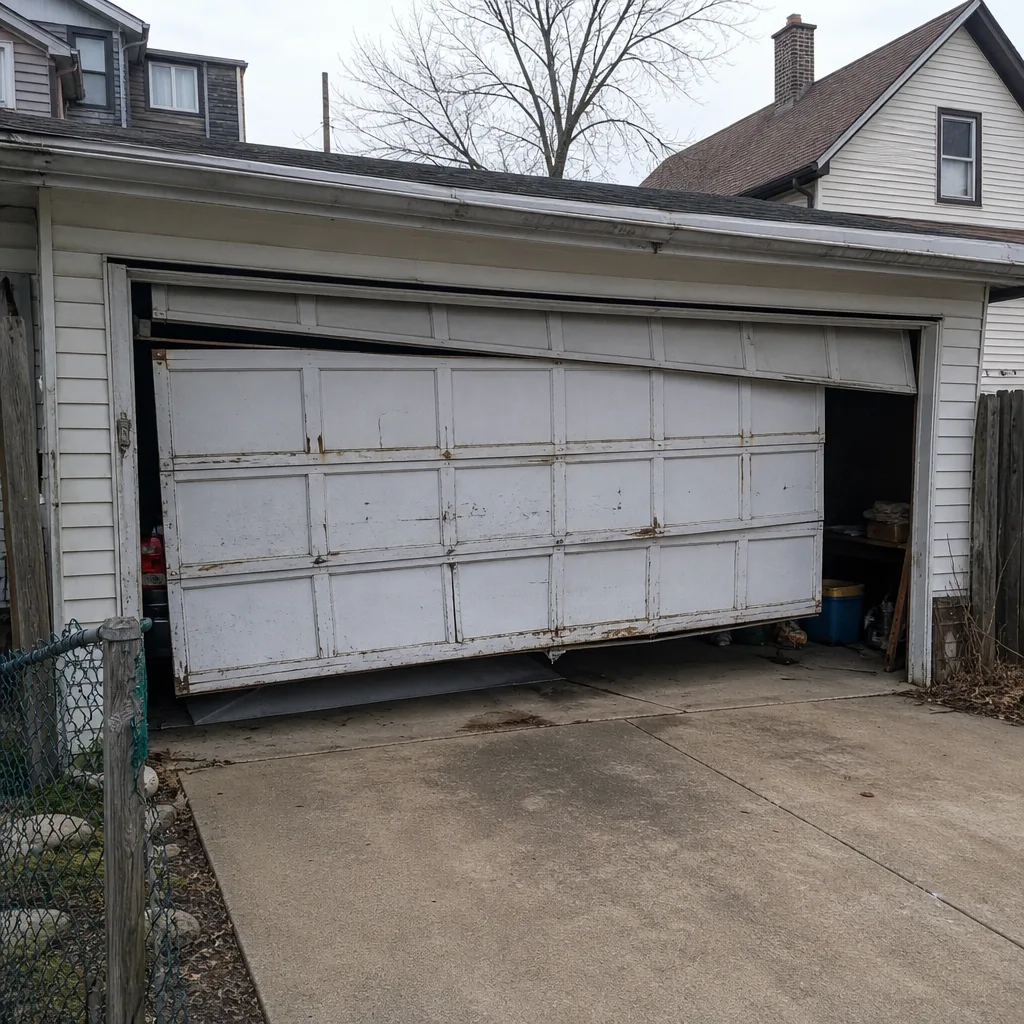 Before
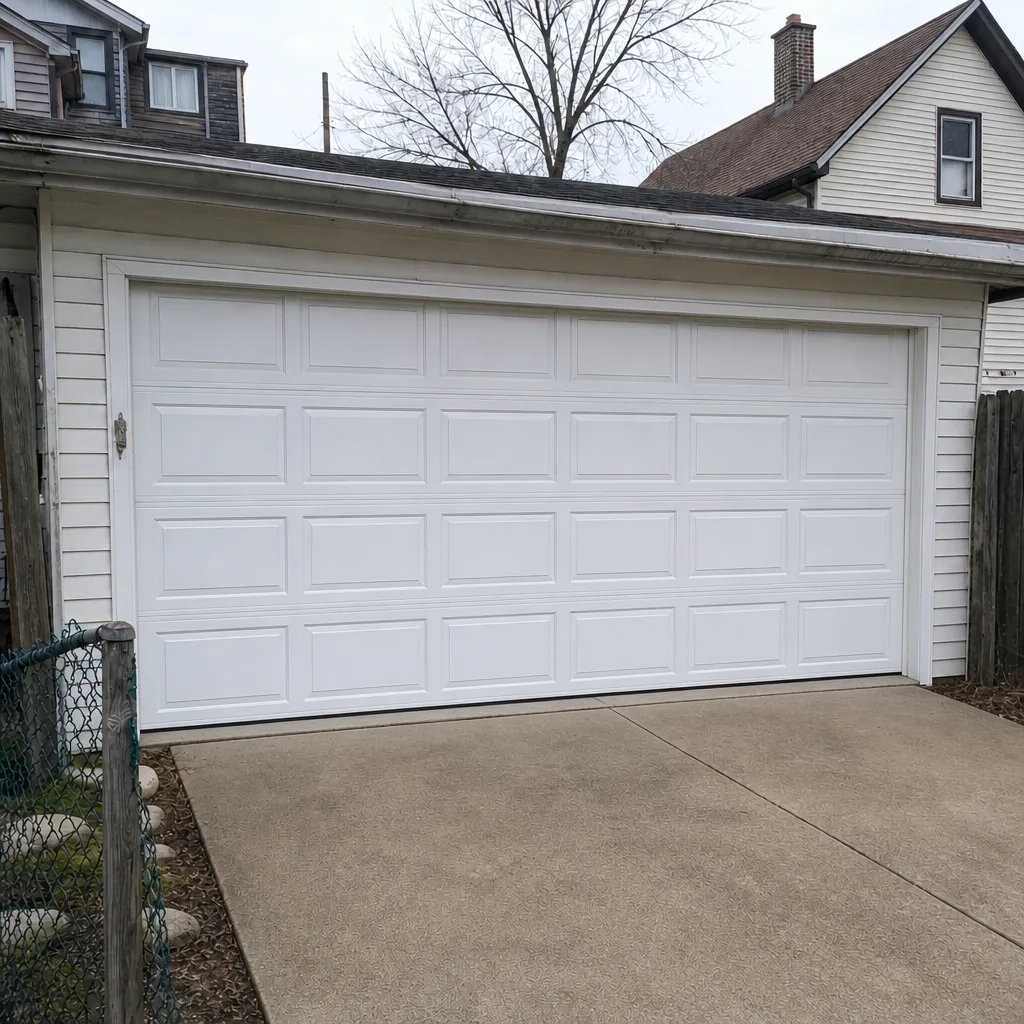 After
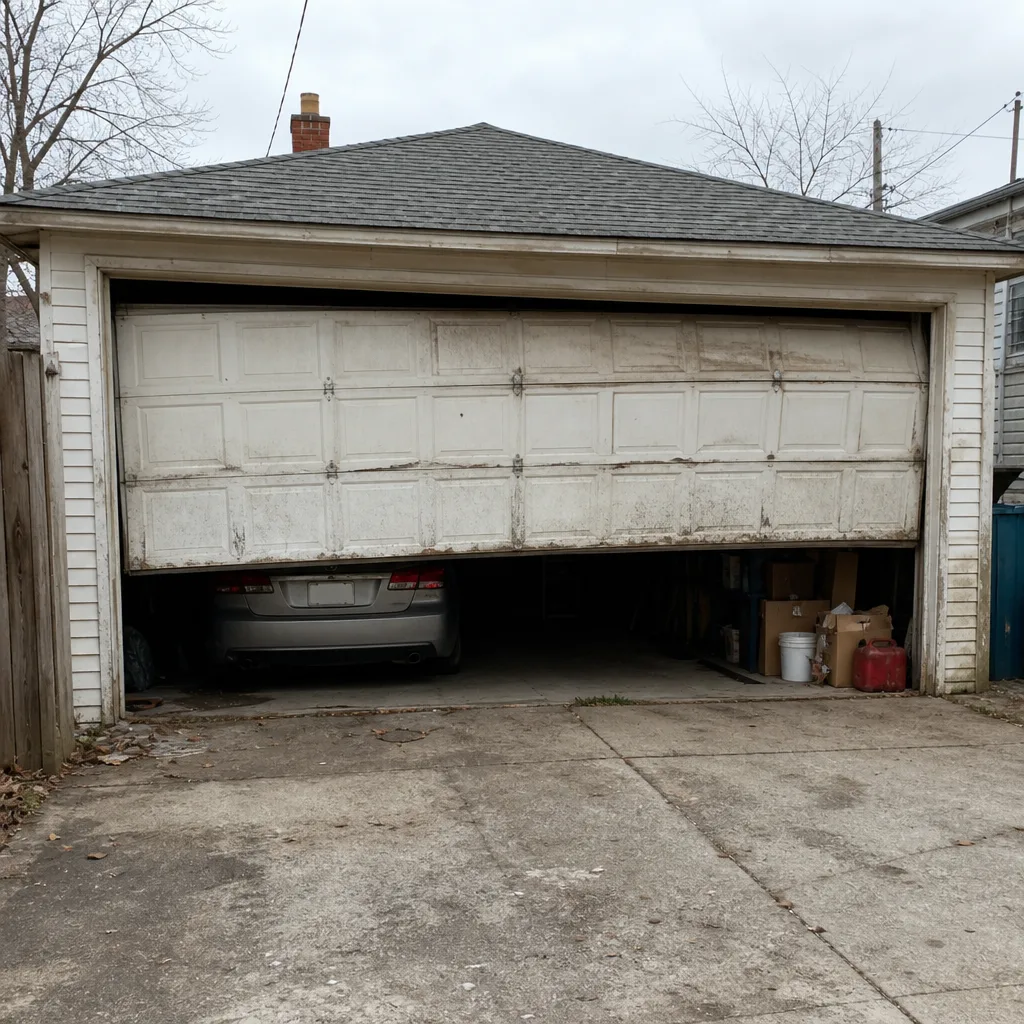 Before
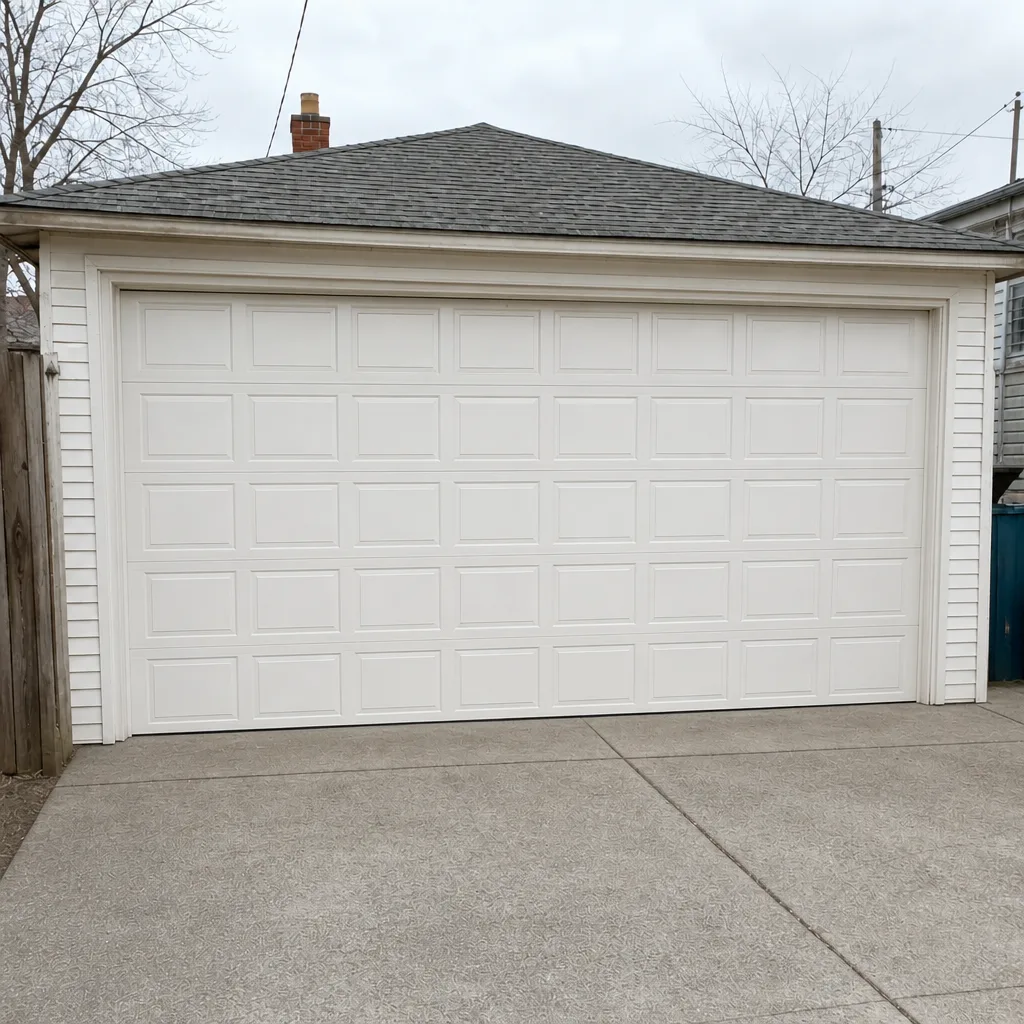 After
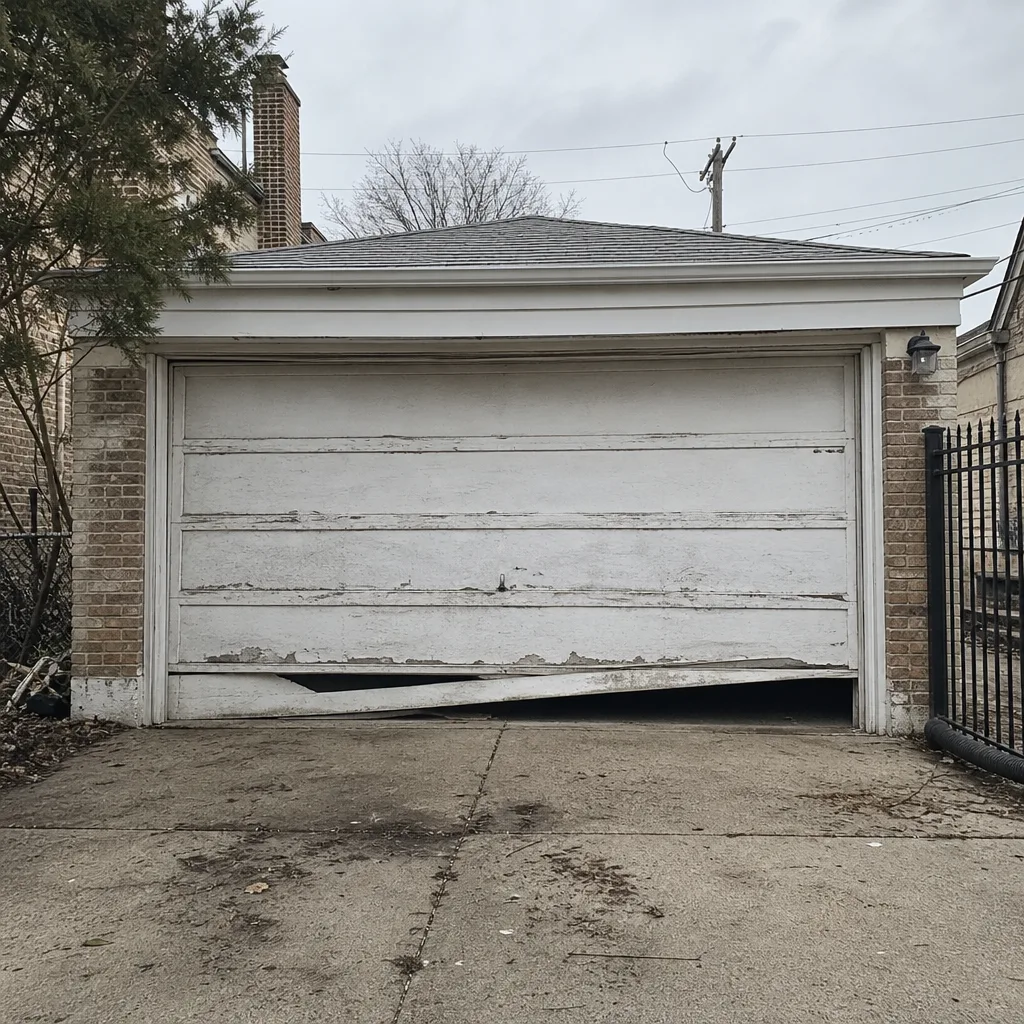 Before
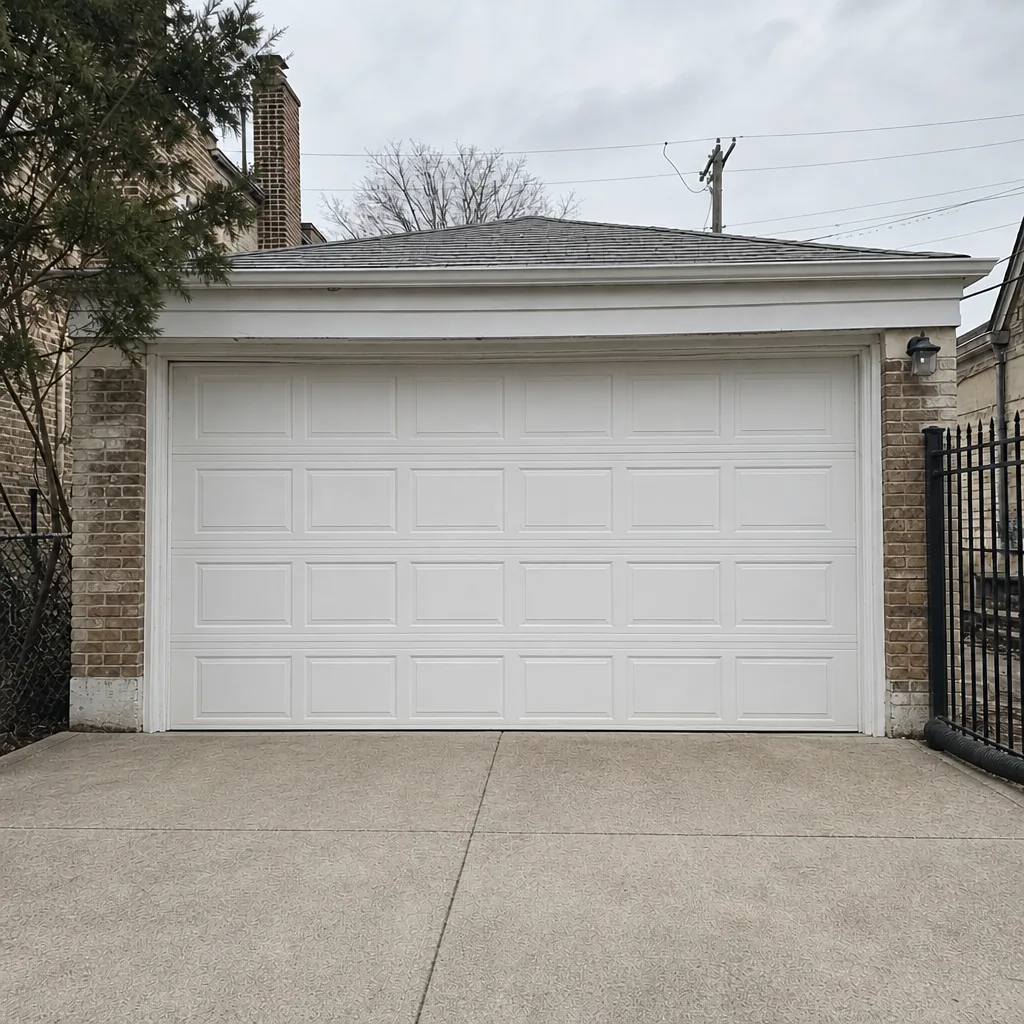 After
Common Mistakes to Avoid
- Running the opener again to “test” a popping door. Every cycle loads the remaining spring or cable harder. One pop and schedule service; a second pop on the same door is when it’s most likely to snap. In Logan Square, where detached garages are common, a snapped spring on a weekend leaves you with a car you can’t move until Sunday at the earliest.
- Calling a general handyman for spring work. Springs and cables are high-tension and require winding bars and de-tensioning procedure. Most generalists turn the job down for good reason. A specialist who works on springs as a core service – which we do – is the safer and usually faster call.
- Buying a new opener before checking door balance. A slow or hesitant opener is often a symptom, not a cause. Replacing the opener without fixing the door means the new motor fails the same way.
- Ignoring a quiet door that’s changed noise. “Quiet” and “getting quiet” aren’t the same. A door that was loud and is now quiet usually means a spring has lost tension or a cable has slackened. Silence after noise is a warning sign, not an improvement.
- Painting or lubricating a pitting spring. Surface rust can be cleaned; pitted springs need replacement. Painting over a pitted coil hides the failure without stopping it, and the coil still loses tension unevenly.
- Ignoring the bottom seal through a Logan Square winter. A cracked seal lets meltwater wick into the door’s bottom section during a thaw, which rusts the lowest hinges and panel bottom. It’s the cheapest fix on the whole list, and skipping it sets up a much larger repair in spring.
- Assuming “it still works” means it’s fine. A door with a failing spring still opens – right up until it doesn’t. The balance test exists precisely because “it still works” isn’t a health check. It’s a coincidence that hasn’t run out yet.
When to Call a Professional
The warning signs a trained technician needs to handle are the high-tension ones: a spring that’s popping, a spring with visible pitting, cables with any fraying or slackness, a door that’s hanging or slamming on one side, an opener that runs without moving the door, and a cracked panel that’s affecting travel. These have a safety reason behind the directive, not just a policy one – each involves stored energy that can release when a door moves. The low-urgency items – squeals, slaps, cracked rollers, a compressed bottom seal, reduced remote range – are worth calling for, but they’re on a this-week timeline, not a stop-everything timeline. Garage Door Repair Logan Square offers free estimates in Logan Square. Call (866) 650-1667. We answer springs, openers, cables, rollers, seals, and full replacements, and the price is quoted and agreed before any work starts.
Frequently Asked Questions
A door that’s gotten slightly slower to open over the last few weeks, combined with a loud squeal or slap when the door moves – that’s the most frequent combination we see. It’s almost always spring tension loss plus dry hinges or rollers, and both are cheap to diagnose and fix early. Call (866) 650-1667 for a free estimate – a technician can confirm which component has changed and whether it’s this-week or stop-and-call territory.
Spring repair in Logan Square typically runs $180 to $340 for one spring. A matched pair is replaced together because both springs have usually taken the same cycles, so a pair costs roughly twice that. Those are estimates, not firm prices – the written estimate sets the final price, and nothing is agreed until you’ve seen it. Call (866) 650-1667 for a free estimate on your specific door.
Not with certainty, and we won’t try to. Describe the symptoms and we’ll tell you what’s most likely, but a spring diagnosis needs a technician at the door with the balance test and a look at the coil. What we can do by phone is triage: if you’ve heard a pop and the door stopped partway, we’ll book you before telling you anything else. If it’s a squeal with even travel, we’ll tell you it’s a this-week call and hold the date.
No, not after the estimate is written. The written estimate sets the price, and the price you agree to before work starts is the price you see on the invoice. If the technician gets on site and finds additional damage – say a cracked hinge or a misaligned track once the door is up – they stop and get your approval on the addition before touching it. Nothing gets added to the ticket without your agreement.
The local professionals we connect you with are licensed and insured as their state requires, and they work on the brands we service: LiftMaster, Chamberlain, Genie, Clopay, Amarr, Wayne Dalton, Craftsman and Raynor. We handle spring repair as a named service because it’s the most dangerous part of the trade, and we handle the full repair-to-installation scope so you don’t have to schedule a second company to finish a job. Call (866) 650-1667 with your door and opener brand and we’ll tell you exactly what it needs.
Same-day service is available for repair and emergency calls, and for a broken spring or a door that’s stuck partway up, that’s the call we prioritize. We answer 24/7 and dispatch crews from 7am to 7pm, Sunday through Friday. We’re closed Saturday – if a door fails on a Saturday, call and we’ll book the next available opening on Sunday. Call (866) 650-1667. We answer 24/7. Fast dispatch from 7am to 7pm, Sunday through Friday.
The door balances first, then the opener. A door that isn’t balanced puts the opener under load it wasn’t designed for, which is the most common cause of premature opener failure on LiftMaster and Chamberlain units. If both are tired, a technician can tell you which is genuinely failing and which is compensating for a door problem. That’s a diagnostic call, not a sales call – and the estimate to sort it out is free.
The Bottom Line
Garage door failure is rarely sudden. Springs lose tension for weeks before they snap. Rollers crack, cables fray, seals flatten, and openers start making exhausted noises well before they give out. The seven-second balance test is your fastest diagnostic: a door that drops or feels heavy on manual lift is a spring problem that belongs on the calendar this week, and a door that’s popped and stopped is a call-now problem with a real safety reason behind it. Learn the four noise types, watch the rollers and cables, listen to the opener, and treat the change in behavior as the signal. If you’re unsure, call (866) 650-1667 for a free estimate. We work on the brand you already own, and springs, openers, panels, and full installs – one call covers it. Our technicians have up to 13 years of experience, and we quote before we start. For a full-service garage door team in Logan Square, that’s the whole point: Garage Door Repair Logan Square is here when the warning signs say it’s time.
Written by the team at Garage Door Repair Logan Square.