
Last updated November 21, 2026
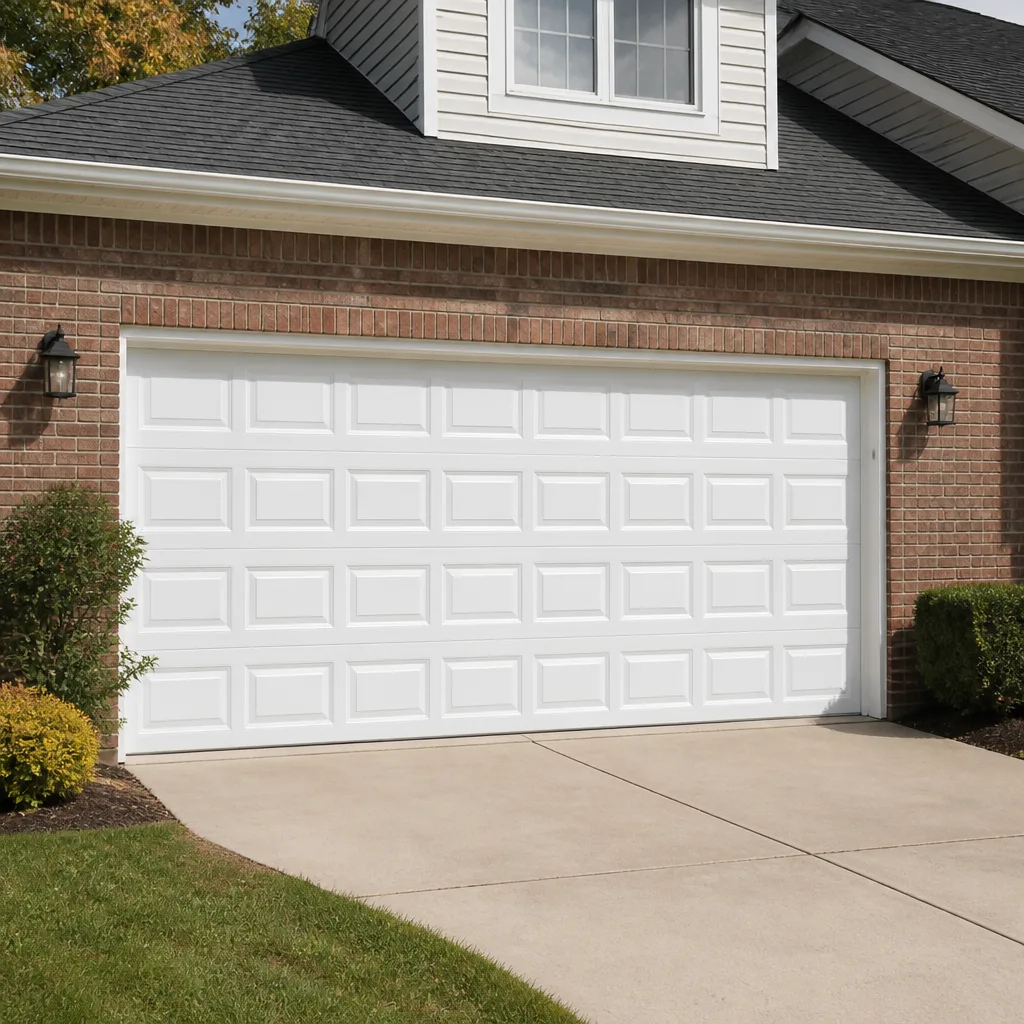 Raised-panel steel
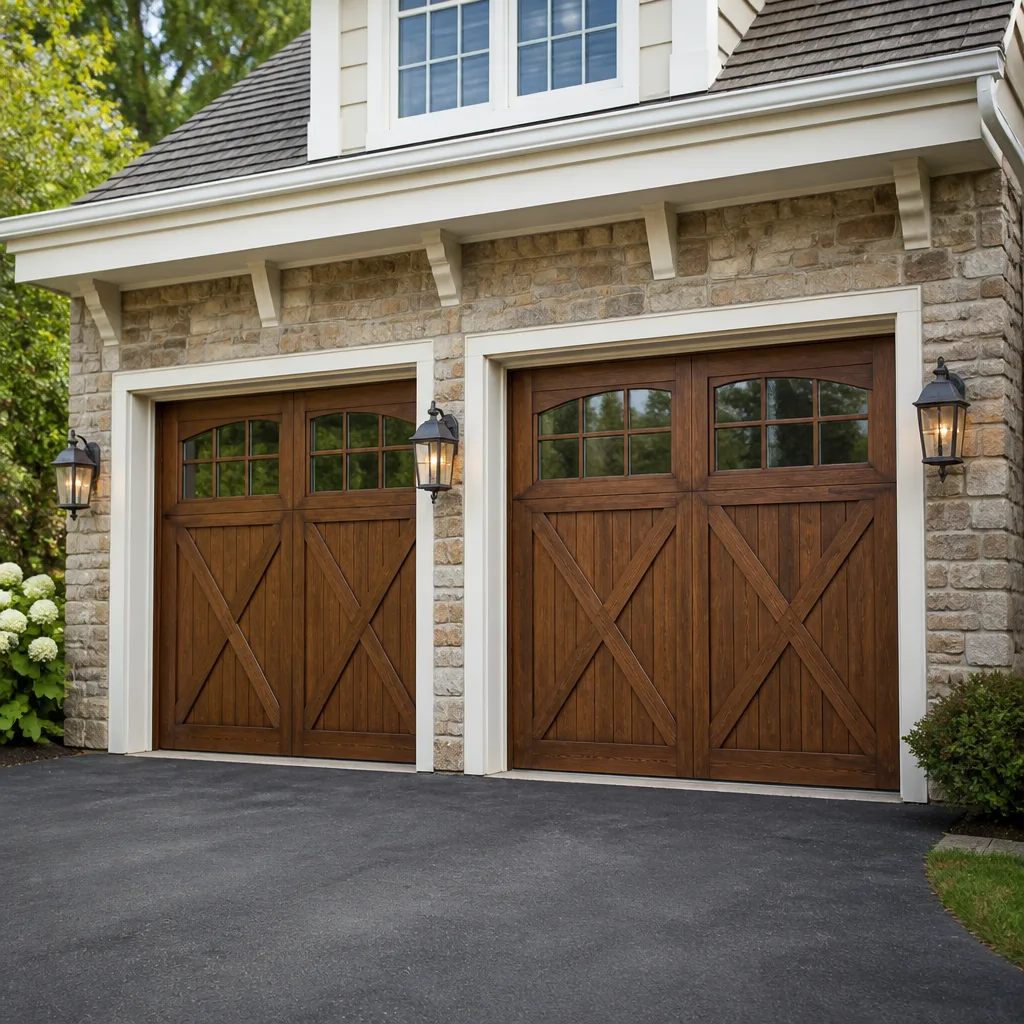 Carriage house
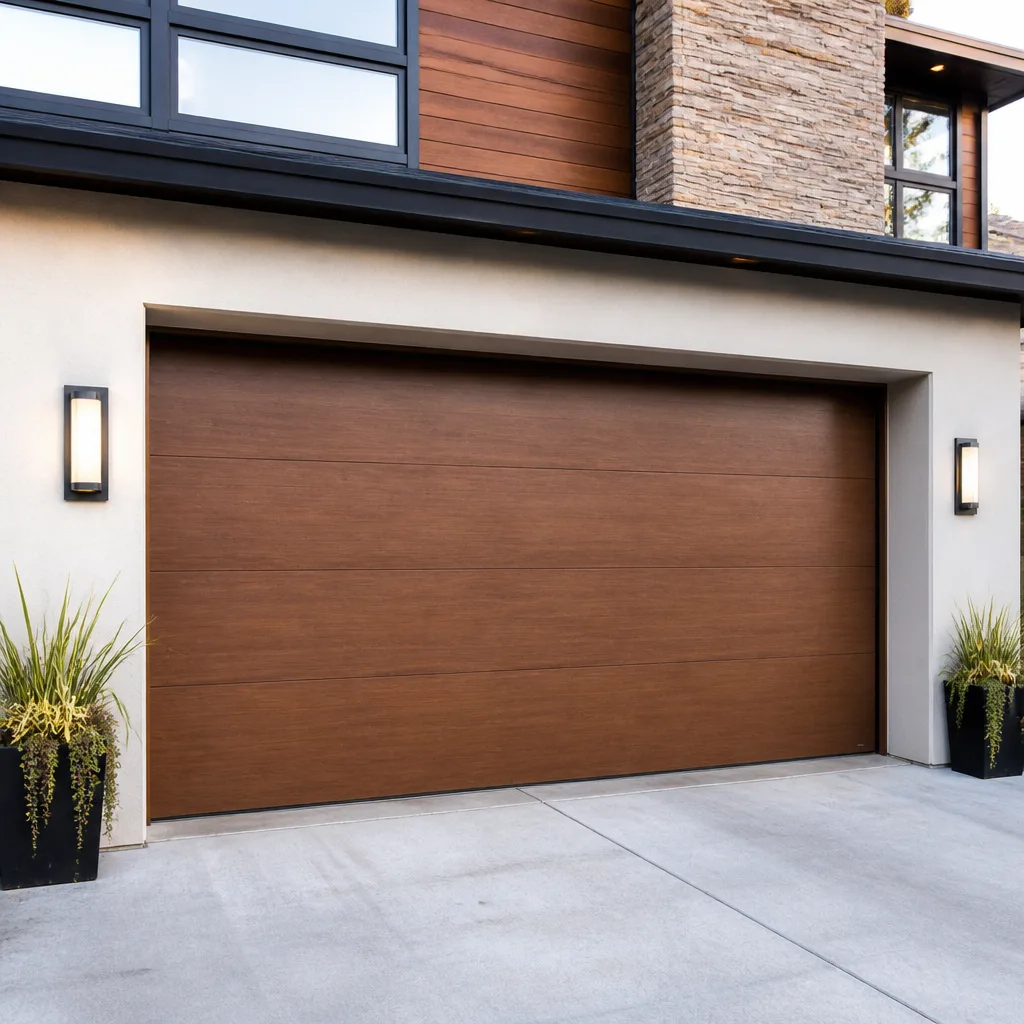 Modern flush
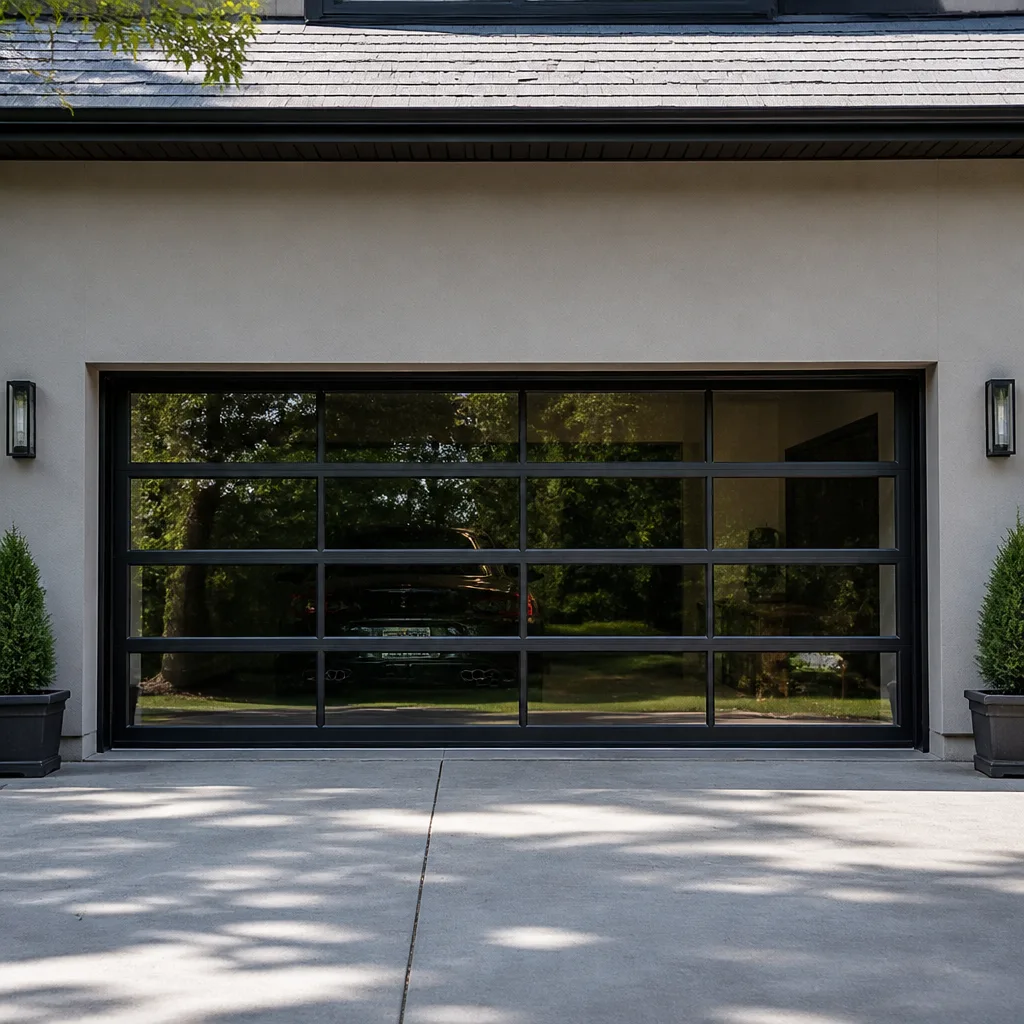 Full-view glass
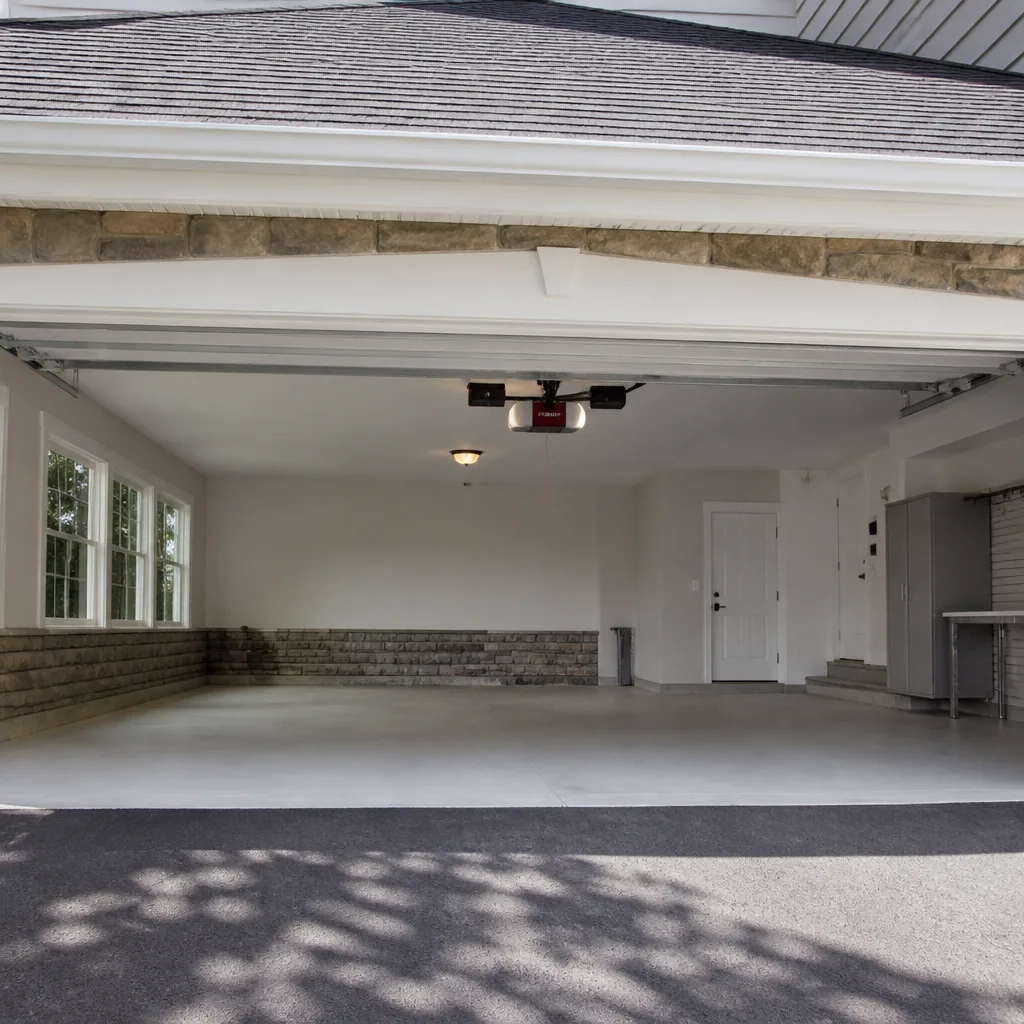 LiftMaster openers
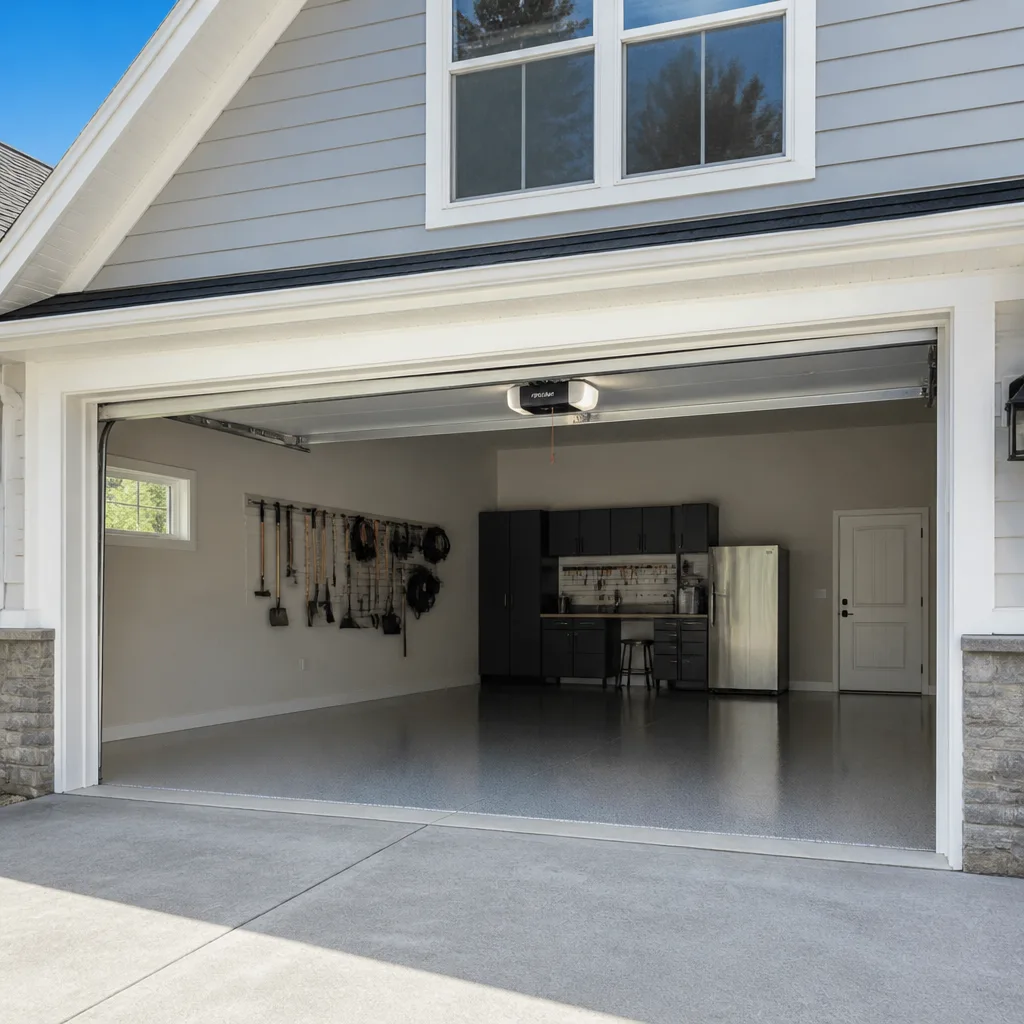 Chamberlain openers
Full 25-point door and opener safety check with every visit - springs, cables, rollers, tracks, and your LiftMaster or Chamberlain opener included
You get a price before we start. It does not change when the pro arrives.
Get your free estimateHow to Hire a Garage Door Contractor in Logan Square: A Step-by-Step Guide
Three complaints come up most often after a garage door installation in Logan Square: the door scrapes the floor in January, the opener was wired without a permit, and the contractor who did the work no longer answers the phone. None of those are bad luck. They’re the predictable result of hiring someone who treats a Chicago alley-access garage like a suburban tract-home garage. The buildings here are different, the ways into them are different, and the permit path is different. This guide walks through how to filter for a contractor who actually works in this city, what a legitimate written estimate must contain, how to check credentials that matter, and which red flags should end the conversation before money changes hands.
Quick Answer
To hire a garage door contractor in Logan Square, verify Illinois licensure and City of Chicago contractor registration, ask for a written estimate that names the brand, model number, spring wire size, and permit line, and confirm the contractor has worked on alley-access garages with low headroom and older framing. Pay nothing in full upfront, and never accept an oral quote or a vague one-line estimate. If any of those checks fail, keep calling.
Styles & brands we work with
- Raised-panel steel
- Carriage house
- Modern flush
- Full-view glass
- LiftMaster openers
- Chamberlain openers
Table of Contents
- Why Logan Square Garage Doors Are a Different Job
- The Five Interview Questions That Reveal Real Chicago Experience
- What a Legitimate Written Estimate Must Include
- How to Verify Illinois Licensure and Chicago Contractor Registration
- Supply-and-Install Contractor vs. Service-Only Technician
- Red Flags Specific to Garage Door Work
- Brands, Parts, and Why Specificity Matters
- Common Mistakes to Avoid
- When to Call a Professional
- Frequently Asked Questions
Why Logan Square Garage Doors Are a Different Job
Logan Square garages were mostly built to fit a lot, not a catalog. That single fact drives most of what goes wrong with door work here. A detached garage at the end of an alley behind a two-flat on Palmer or Kedzie may have a low clearance above the opening, framing that has shifted over decades, and a header that wasn’t sized for a modern insulated door. A contractor who only installs on new suburban construction shows up expecting a clean opening and a standard ceiling height. When neither is there, the door scrapes, the opener brackets don’t line up, or the job turns into a framing project nobody quoted.
Winter makes all of it more visible. Chicago’s freeze-thaw cycle moves concrete, and a garage floor slab that has heaved slightly over the years will catch the bottom seal of a door that was measured in July. That’s the scraped-floor complaint. It’s not a defect in the door. It’s a measurement and installation decision that ignored how the building actually behaves.
Then there’s access. Many Logan Square garages sit off a shared alley with limited turnaround space, and some sit behind the building with no direct street approach. A crew that plans to back a truck up to a driveway may find there isn’t one. That affects scheduling and how much material can be staged at once, and it’s the kind of thing a contractor who works in Chicago asks about before the visit, not after.
Low headroom is the last piece. Older garages here frequently have a torsion spring assembly tucked tight against the ceiling, or a track configuration that a modern high-lift door can’t match without modification. A contractor needs to see it before quoting. Anyone who quotes a new door over the phone without asking about headroom, track type, and spring configuration is guessing, and you’ll pay for the guess.
The Five Interview Questions That Reveal Real Chicago Experience
You can separate a contractor who has genuinely worked in Chicago’s urban garages from one who mostly does suburban replacements in about five minutes of conversation. The questions below aren’t trick questions. They’re the same ones a good contractor would ask you. A real Chicago-experienced pro answers them without hesitation and without hedging.
- “How do you handle low headroom in an older detached garage?” A real answer mentions torsion vs. extension springs, track radius, and whether the existing ceiling clearance allows a standard door or needs a low-headroom configuration. A vague answer like “we make it work” means they haven’t thought about it.
- “What’s your process for a garage accessible only by alley?” Look for a contractor who asks about alley width, turn-around space, and whether there’s room to stage material. Someone who says “we’ll figure it out on the day” is telling you they haven’t done many of these.
- “Have you pulled a permit for a garage door opener replacement in Chicago?” Wiring changes often require one. A contractor who says openers never need a permit in this city is either wrong or cutting corners, and either answer is a problem.
- “How do you measure for a door on a floor that’s settled?” The good answer talks about measuring the opening, checking the slab, and accounting for how the bottom seal meets an uneven floor. The bad answer is “we order standard sizes.”
- “Who does the framing if the opening isn’t square?” An experienced contractor either handles it or tells you clearly that it’s outside their scope and who you’ll need. Someone who promises to “make it fit” without a plan is setting up a callback.
You don’t need to be an expert to ask these. You just need to listen for specifics. If a contractor gives you generic reassurances instead of details, that’s your answer.
What a Legitimate Written Estimate Must Include
A written estimate is the most important document in the whole process, and it’s where most Logan Square homeowners get burned. The price you agree on is the price you pay, but only if the estimate spells out what’s being done. A one-line estimate that says “replace garage door” tells you nothing and protects you from nothing. Here’s what should be on it.
- Door brand and model number. Not “steel door” or “insulated door.” The actual brand and model, so you can look it up and compare.
- Spring wire size and type. Springs are measured by wire gauge and inside diameter, and the estimate should state what’s going in. This matters because a spring sized for the old door may not suit a new one.
- Opener brand and model. If an opener is part of the job, the model number goes on the estimate, along with whether the existing wiring and ceiling clearance have been checked.
- Permit line item. If a permit is required, it should appear as a separate line, with who pulls it. If no permit is needed, the estimate should say so explicitly.
- Labor and disposal. Hauling away the old door and hardware is real work. It should be stated, not implied.
- Track, hardware, and any framing adjustments. Anything beyond a straight swap should be itemized so you can see what changed the price.
Vague line items are red flags for a reason. “Miscellaneous hardware” or “shop supplies” as a lump sum tells you the contractor either doesn’t know what’s needed or doesn’t want you to. A real estimate is specific because the contractor measured and knows what the job requires.
One more thing to confirm in writing: that the price is quoted and agreed before any work starts. Get that in the estimate. If anything changes once the door is off, the contractor should stop, explain, and get your approval before continuing. That’s the standard you’re entitled to.
How to Verify Illinois Licensure and Chicago Contractor Registration
Two different credentials matter here, and they’re not the same thing. Illinois issues a state roofing license, but garage door work isn’t covered under that specific license. What you’re really checking for is a properly registered, insured business that carries general liability and workers’ compensation. Chicago adds another layer: the city requires contractor registration for work performed within its limits, and that registration is separate from anything the state issues. Both matter, but for different reasons.
State-level checks confirm the business entity is real and carries insurance. City registration confirms the contractor is authorized to pull permits and do work in Chicago. A contractor who is legitimate in the suburbs but never registered with the city will hit a wall when a permit is needed, and you’ll be the one waiting while they sort it out, or the one left with unpermitted work.
How to check:
- Ask for the business name and address in writing. A physical business address you can verify is the baseline.
- Confirm insurance and workers’ compensation. Ask for a certificate of insurance and check that it’s current. If a worker is injured on your property and there’s no coverage, that’s your problem.
- Ask directly whether they’re registered to pull permits in Chicago. Listen for a clear yes, and ask for the registration details.
- Confirm who pulls the permit. It should be the contractor, not you.
You don’t need to memorize every rule. The point is to confirm the contractor can legally do the work, pull the permit, and is covered if something goes wrong. A pro will answer these questions without irritation, because they get asked all the time.
Supply-and-Install Contractor vs. Service-Only Technician
Not every garage door job needs the same type of contractor, and knowing which you need saves you money and time. There are two broad categories, and they’re not interchangeable.
A supply-and-install contractor sources the parts and equipment, handles the labor, and manages the whole job. That’s what you want for a full door replacement, an opener upgrade, or any job where parts and labor need to come from one place. When a contractor can both supply the part and do the repair, you’re not left coordinating two vendors or hunting down a specific spring or bracket yourself.
A service-only technician does the labor but expects you to supply the parts, or sources them separately. That can work for a simple repair where you already know exactly what’s needed, but it creates friction when a part turns out to be wrong, back-ordered, or incompatible. You end up making two calls instead of one.
For most Logan Square homeowners dealing with a broken spring, a dead opener, or a door that needs replacing, a supply-and-install contractor is the simpler path. It also matters for brand-specific parts. If your door is an Amarr or a Wayne Dalton, or your opener is a Craftsman, someone who knows those product lines can source the right component the first time instead of improvising. We work on the brand you already own, and knowing the brand before the visit is what keeps the job to one trip.
Red Flags Specific to Garage Door Work
Garage door work has its own set of warning signs, and a few of them are unique to this trade. Watch for these.
- Full payment demanded upfront. A deposit for materials is normal. Full payment before any work starts is not. A contractor who wants the whole amount before showing up is the one most likely to disappear.
- No physical business address. A phone number and a website aren’t a business. If you can’t verify an address, you can’t verify anything else about them.
- An opener quoted without asking about existing wiring or ceiling clearance. Openers are electronic systems, and the wiring and clearance in your garage determine what will actually work. A quote that ignores both is a quote that will change.
- Spring work treated as a side job. Springs are the most dangerous and most common failure in a garage door. If a contractor is vague about spring wire size, spring type, or how they handle high-tension hardware, they’re not the right person for the job.
- No permit discussion for opener replacement. Chicago frequently requires a permit for opener work because it involves electrical wiring. A contractor who never mentions permits is either unfamiliar with the city or planning to skip it.
- Door quoted without measuring headroom, track, or floor. Over-the-phone quotes for a full door replacement are guesses. A real quote comes after a measure.
One of these alone might be explainable. Two or three together means you should keep looking. The right contractor won’t mind the questions, because they know exactly what they’re doing.
Brands, Parts, and Why Specificity Matters
Garage doors and openers aren’t generic. A spring for one door won’t fit another, and an opener designed for a certain track configuration may not work on yours. This is why brand and model knowledge matters more than most homeowners realize.
We service and install products from LiftMaster, Chamberlain, Genie, Clopay, Amarr, Wayne Dalton, Craftsman, and Raynor. Those eight brands cover the vast majority of doors and openers you’ll find on Logan Square garages, which means the right part is usually available and the technician already knows the product. When a contractor doesn’t recognize your brand, you’re relying on them to source a part they’ve never worked with, and that’s where jobs stall.
Parts supply is part of the same picture. A contractor who can source and install genuine components handles the whole job. A labor-only operation leaves you to find the part, verify it’s correct, and hope it arrives before the door gets stuck in the open position. For something as specific as a torsion spring or a proprietary opener component, having the parts capability in the same call makes a real difference.
Opener work deserves its own note. Legacy openers and modern smart-home units are different systems, and both need someone who knows the wiring. LiftMaster, Chamberlain, Genie, and Craftsman all make openers across both categories. If you’re replacing or repairing one, the technician should be able to talk about the existing electrical setup before quoting the unit.
If you’re not sure what you have, that’s fine. Tell the contractor the brand on the door and the brand on the opener, and they’ll tell you exactly what it needs. If you’re still narrowing down whether you need a repair or a replacement, our guide to garage door repair covers what’s fixable and what isn’t.
Common Mistakes to Avoid
- Hiring a general handyman for spring work. Springs are high-tension hardware and genuinely dangerous to handle without the right tools and training. A handyman who “can take a look” is putting themselves and your door at risk.
- Accepting an over-the-phone quote for a full replacement. A door can’t be quoted without measuring headroom, track, and floor. Anyone who does is guessing, and you’ll pay for the difference later.
- Skipping the permit conversation. Opener work in Chicago often needs a permit because it involves wiring. A contractor who never raises it may be leaving you with unpermitted work on your property.
- Paying in full before work begins. A materials deposit is normal. Full payment upfront removes all your leverage if the job goes wrong.
- Not confirming the brand before the visit. If the contractor doesn’t know your door or opener brand, they may not have the right part. Tell them what you have when you book.
- Ignoring the floor and framing. Logan Square garages settle and shift. A door that was measured without accounting for an uneven slab will scrape in winter, and that’s a callback waiting to happen.
- Choosing the lowest bid without reading the estimate. A one-line quote is cheap for a reason. The specific estimate protects you; the vague one protects the contractor.
When to Call a Professional
Some garage door problems are safe to look at yourself, and some aren’t. If the door is stuck open and you can see a broken spring, don’t touch it. Springs and cables are under high tension, and handling them without training and the right tools can cause serious injury. That’s a call to a professional, not a weekend project.
Other situations where it’s time to call: the opener runs but the door doesn’t move, the door goes up crooked or binds on one side, the opener was wired in a way you’re not sure is safe, or the door scrapes the floor and you can’t find an adjustment that fixes it. If you’re installing a new door or replacing an opener, that’s also professional work, and it’s worth getting a proper measure and written quote rather than guessing at sizing.
For repair and opener issues, Garage Door Repair Logan Square offers free estimates in Logan Square. Call (866) 650-1667. We answer 24/7, and fast dispatch runs from 7am to 7pm, Sunday through Friday. We work on the brands you already own, and one call covers springs, openers, parts, repairs, and full installs.
Frequently Asked Questions
Garage door repair in Logan Square is priced per job by a written estimate, and the price you agree to before work starts is the price you pay. The final number depends on what’s actually wrong and which parts are involved, so the only accurate figure comes from a measure and a written quote. Call (866) 650-1667 for a free estimate.
Same-day service is often possible for repair calls, and the fastest way to find out is to call. We answer 24/7, and fast dispatch runs from 7am to 7pm, Sunday through Friday. A call outside dispatch hours is booked into the next opening. Call (866) 650-1667 for a free estimate.
No, the price is quoted and agreed before any work starts, and that written estimate sets the final price. If something unexpected turns up once the door is off, the technician should stop and explain before doing anything that changes the cost. Call (866) 650-1667 for a free estimate and a written quote.
The local pro we connect you with is licensed and insured as their state requires, and for work in Chicago that includes city registration and permit capability. Ask for the certificate of insurance and confirmation that the contractor pulls the permit, not you. Call (866) 650-1667 for a free estimate.
Often yes, because opener replacement involves electrical wiring, and Chicago frequently requires a permit for that work. The exact requirement depends on the job, so ask your city’s building department to confirm. A contractor who is registered with the city can pull the permit for you. Call (866) 650-1667 for a free estimate.
A supply-and-install contractor sources the parts and does the labor, so one call covers the whole job. A service-only technician does the work but expects you to supply the parts or has to source them separately, which can mean coordinating two vendors. For most Logan Square repairs and replacements, the supply-and-install path is simpler and faster. Call (866) 650-1667 for a free estimate.
The Bottom Line
Hiring a garage door contractor in Logan Square comes down to a handful of checks: verify the credentials, insist on a written estimate that names the brand, model, spring size, and permit, and confirm the contractor has actually worked in alley-access garages with low headroom and older framing. Ask the five interview questions, watch for the red flags, and don’t pay in full upfront. A contractor who answers all of it with specifics is the one who’ll do the job right the first time, and who’ll still be reachable after the door is installed. When you’re ready to get a real quote, call us and we’ll measure, quote, and schedule.
Ready to get started? Call Garage Door Repair Logan Square at (866) 650-1667 for a free estimate. We answer 24/7, with fast dispatch from 7am to 7pm, Sunday through Friday. Whether you need a repair, an opener fix, a new spring, parts, or a full garage door installation, one call covers it. Start with our main Garage Door Repair Logan Square page, or read more about garage door opener repair if your opener is the part that’s failing.
Written by the team at Garage Door Repair Logan Square.
See the difference
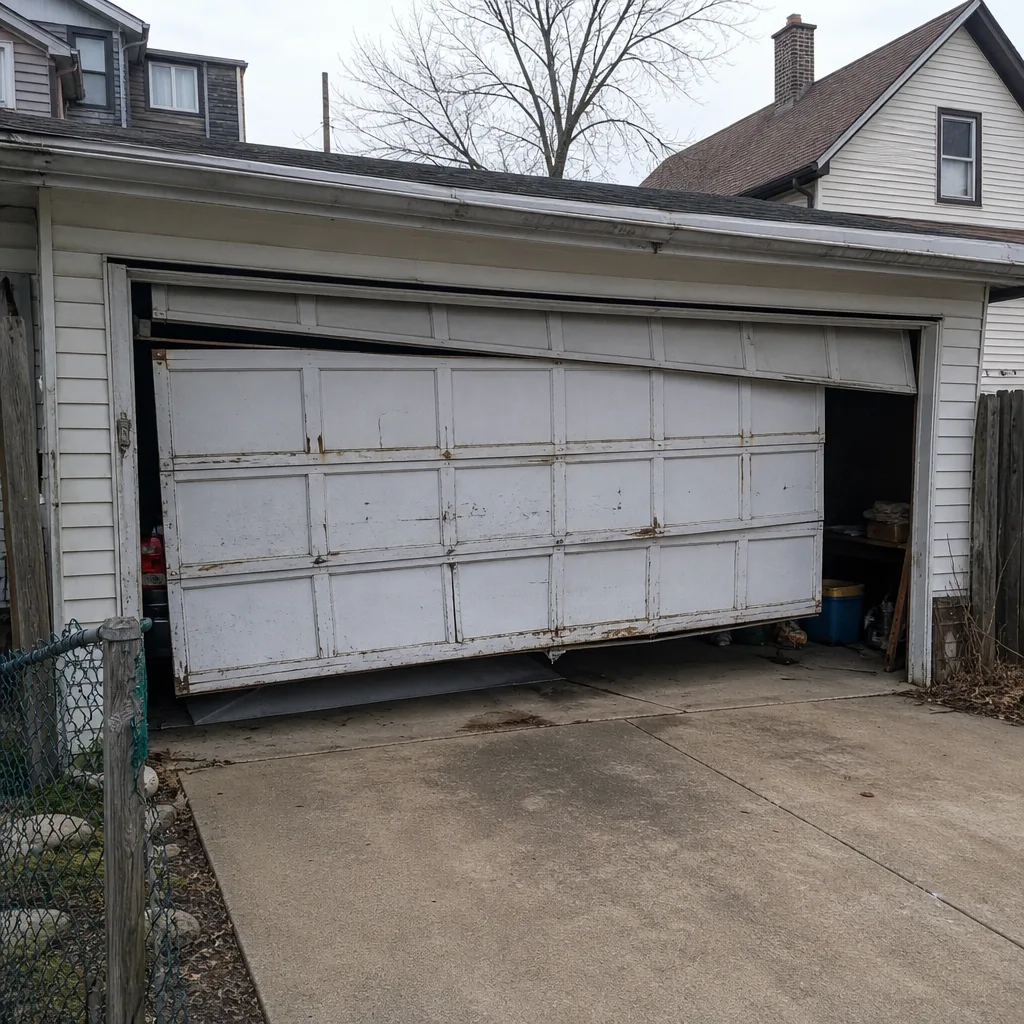 Before
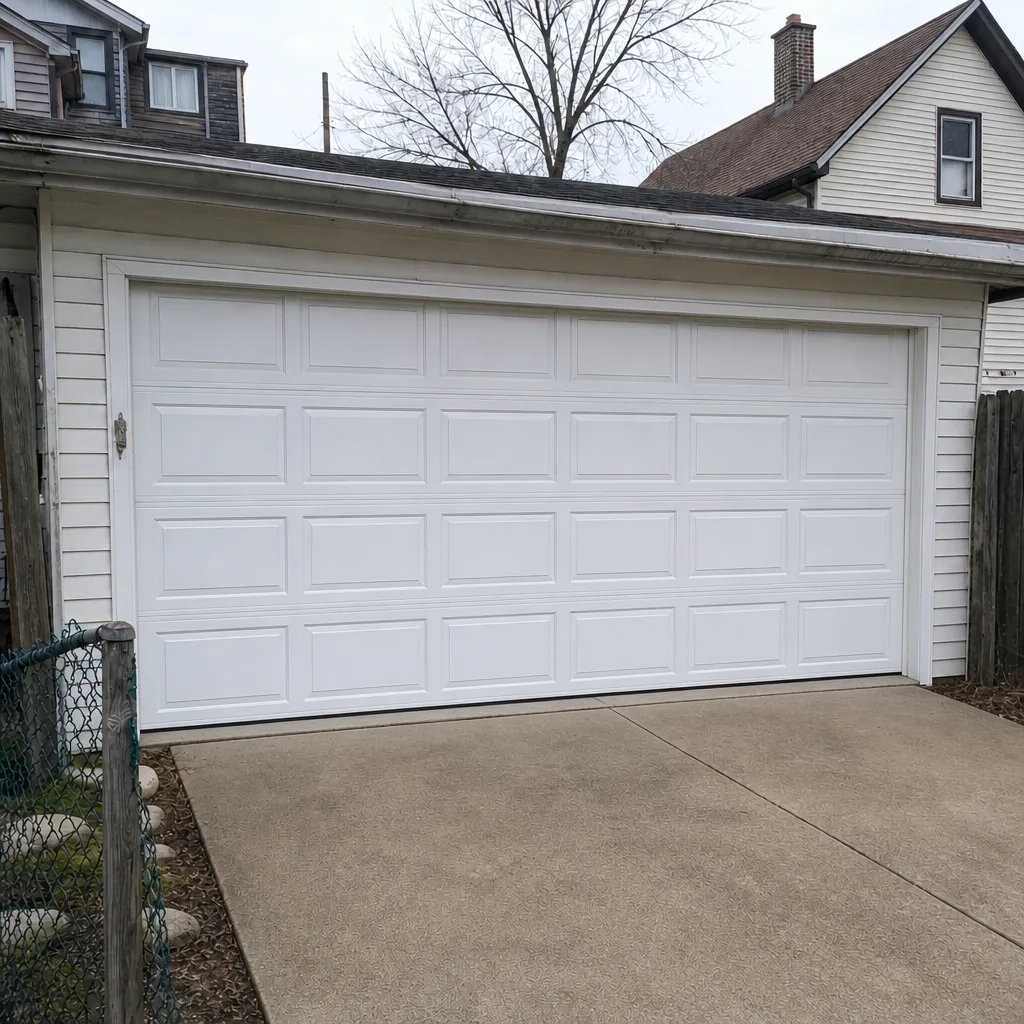 After
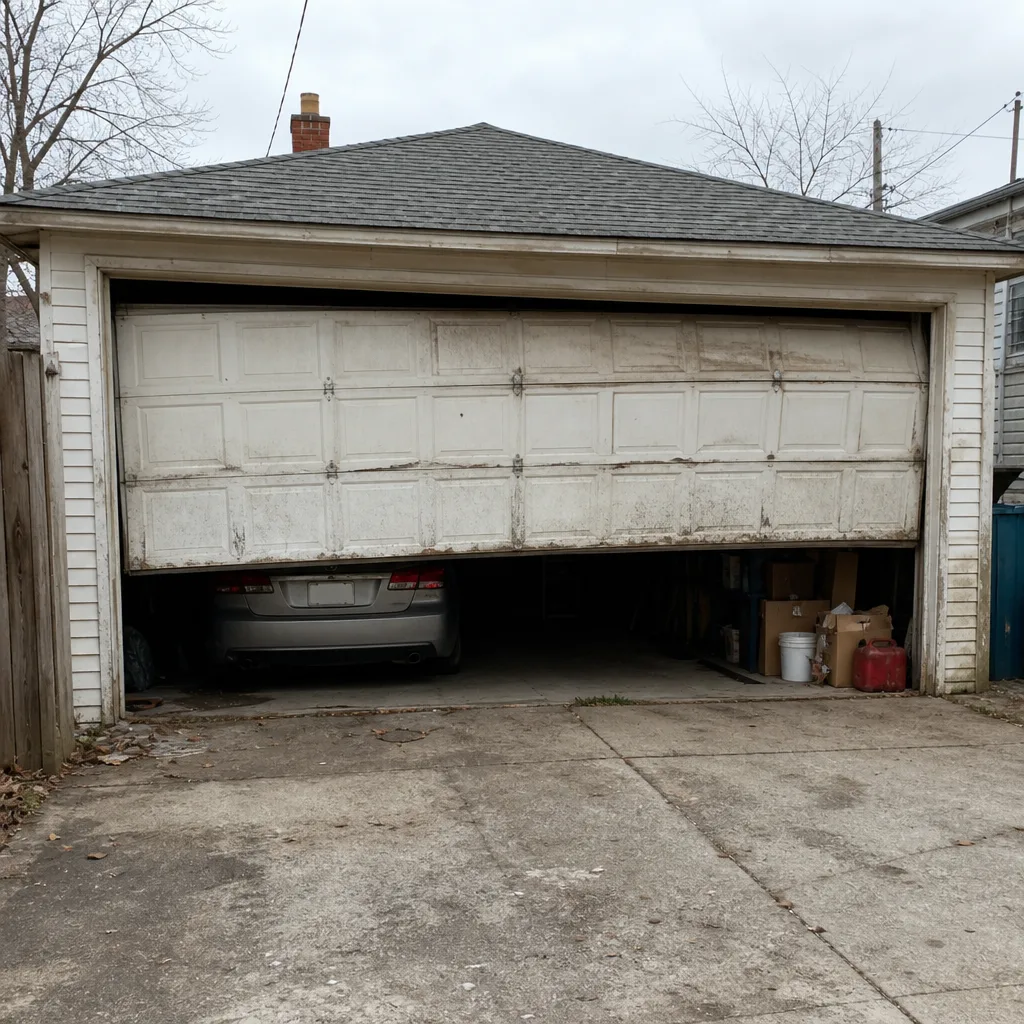 Before
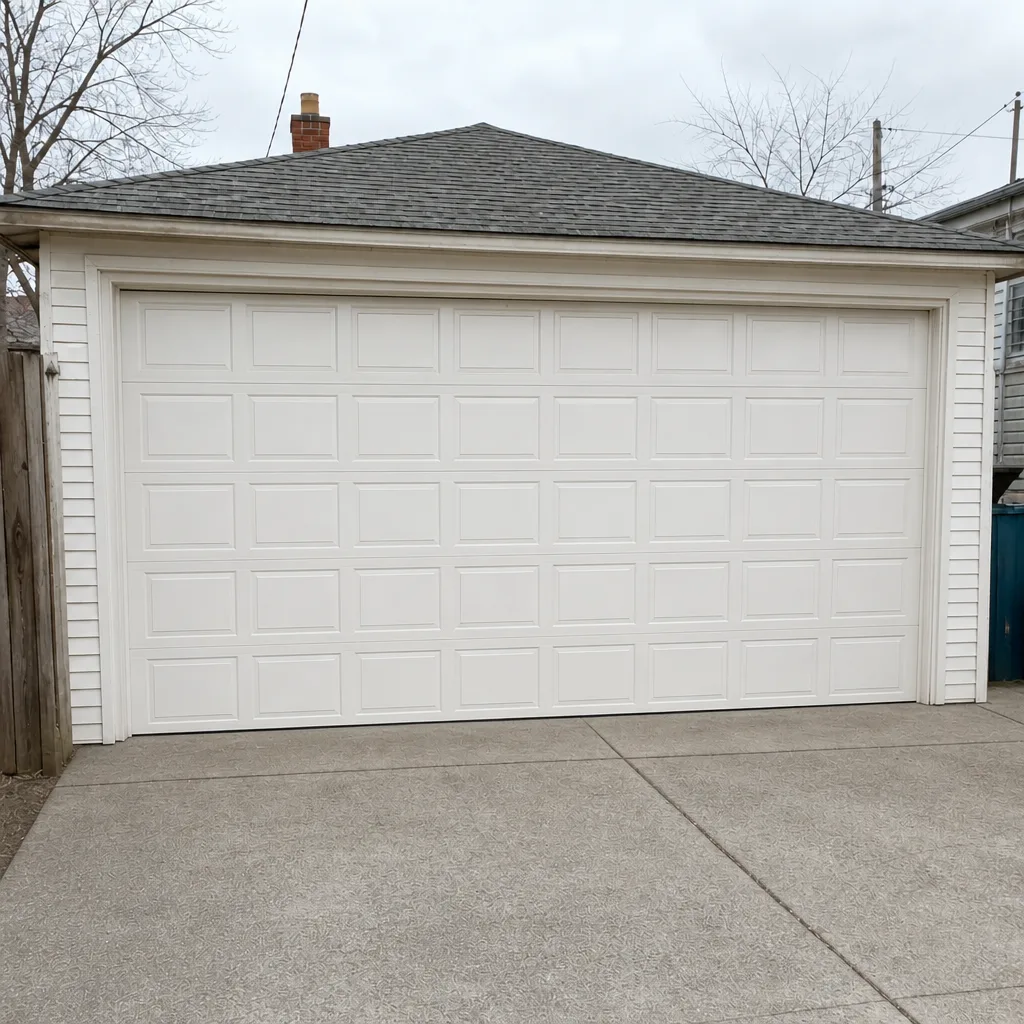 After
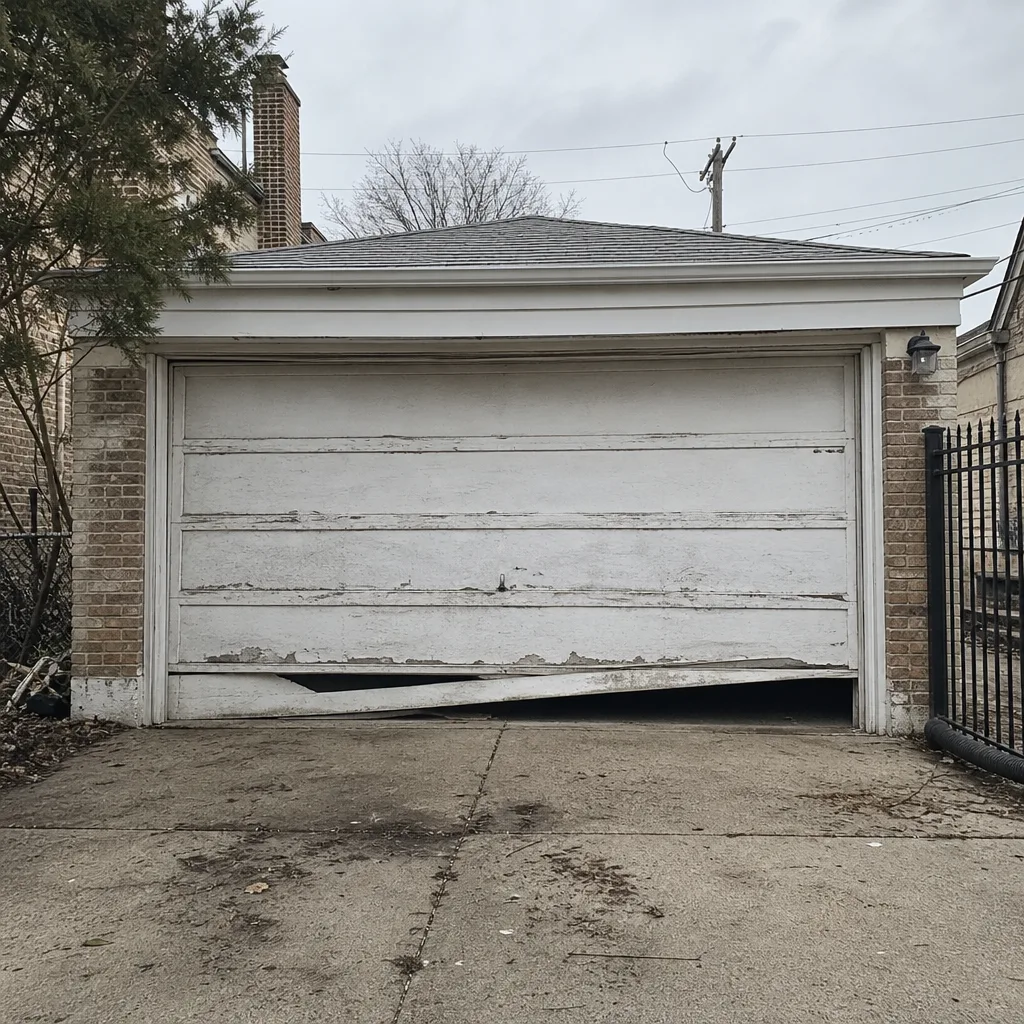 Before
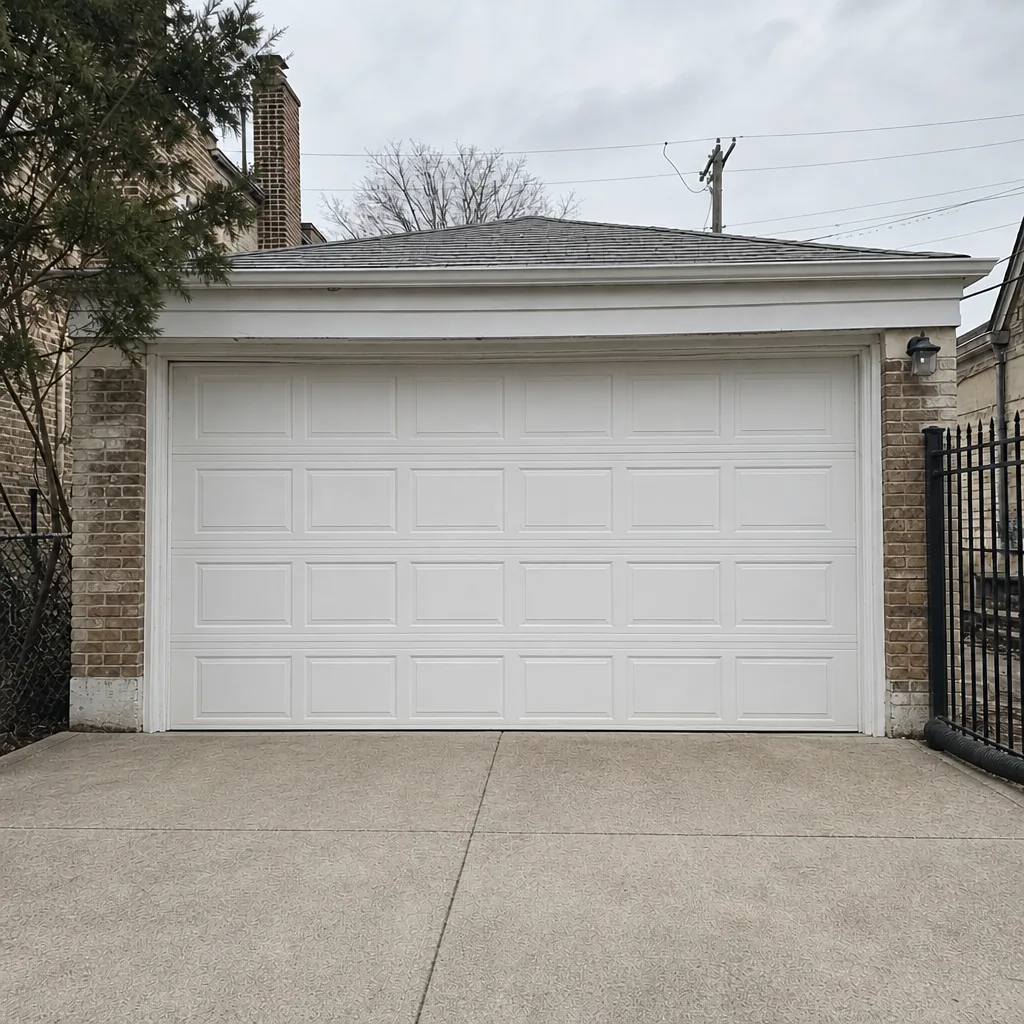 After