
Last updated November 21, 2026
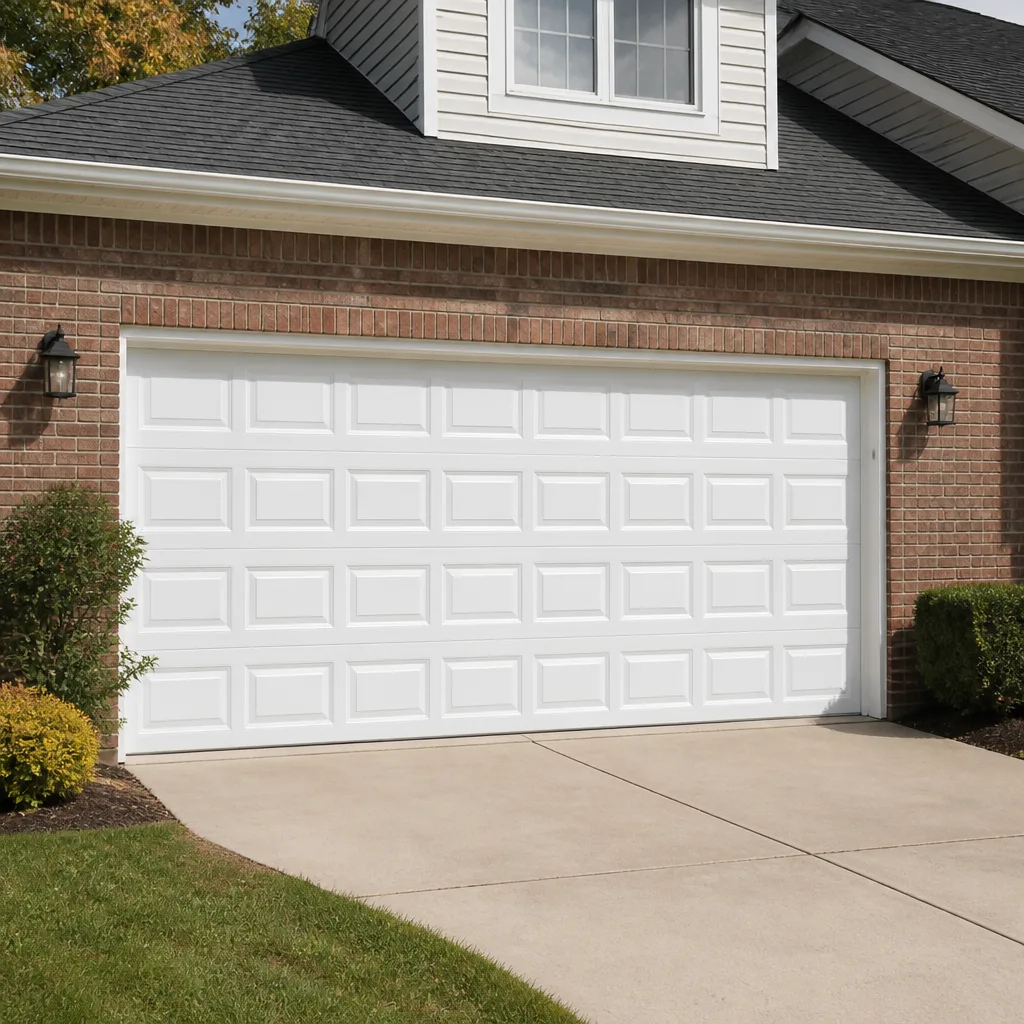 Raised-panel steel
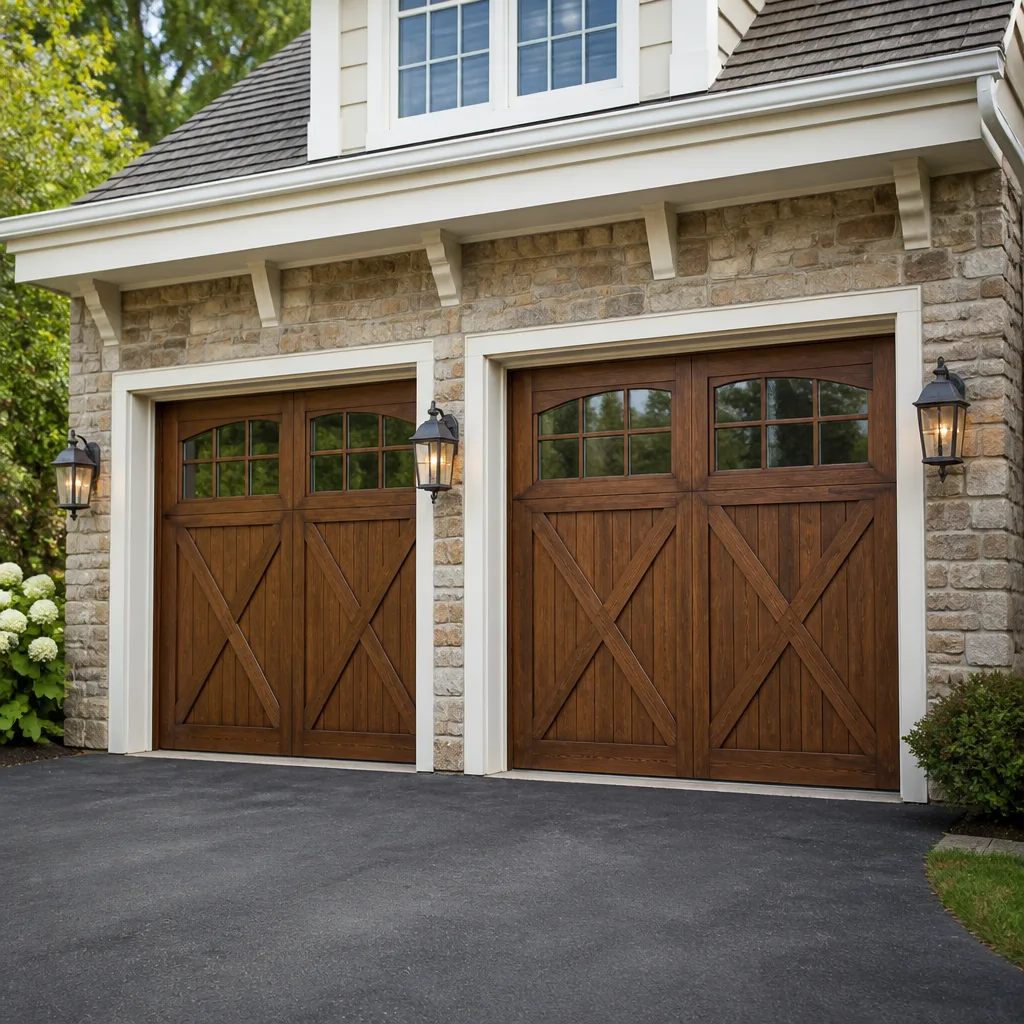 Carriage house
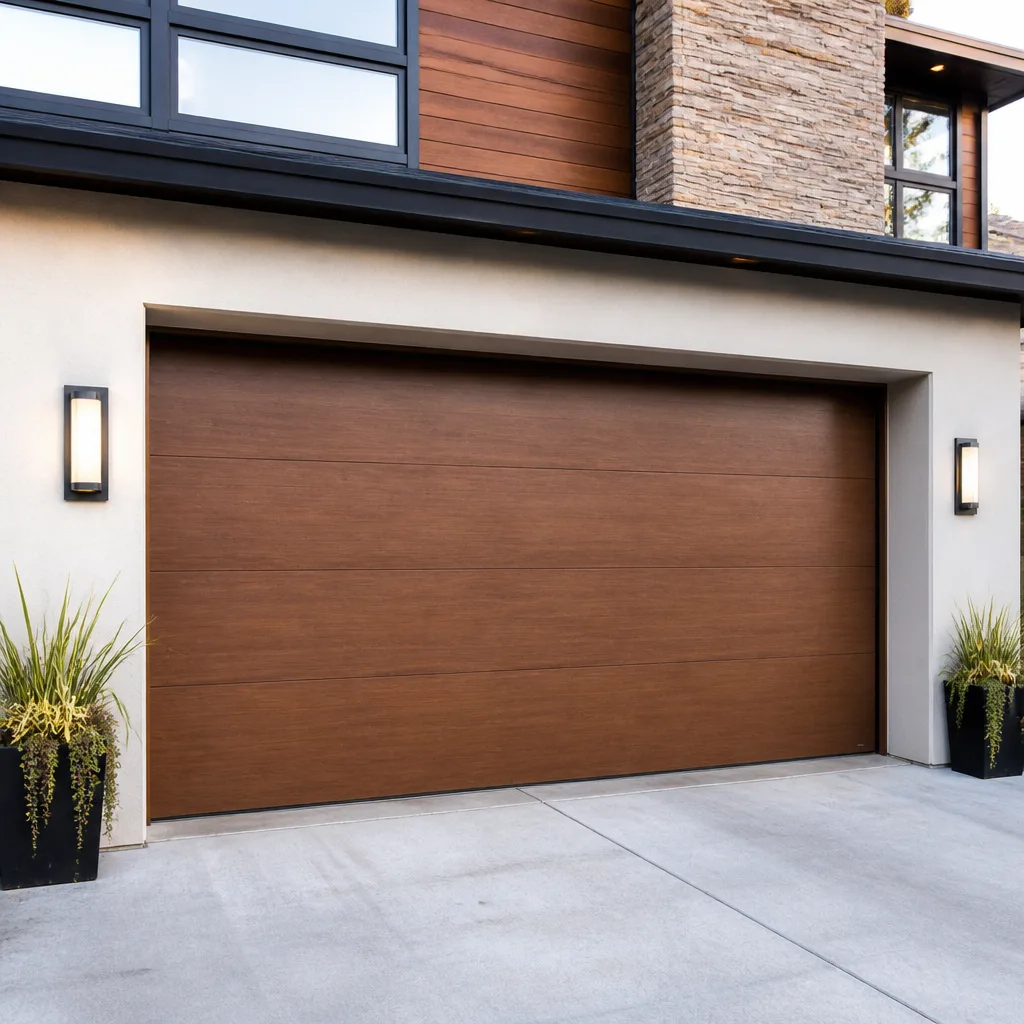 Modern flush
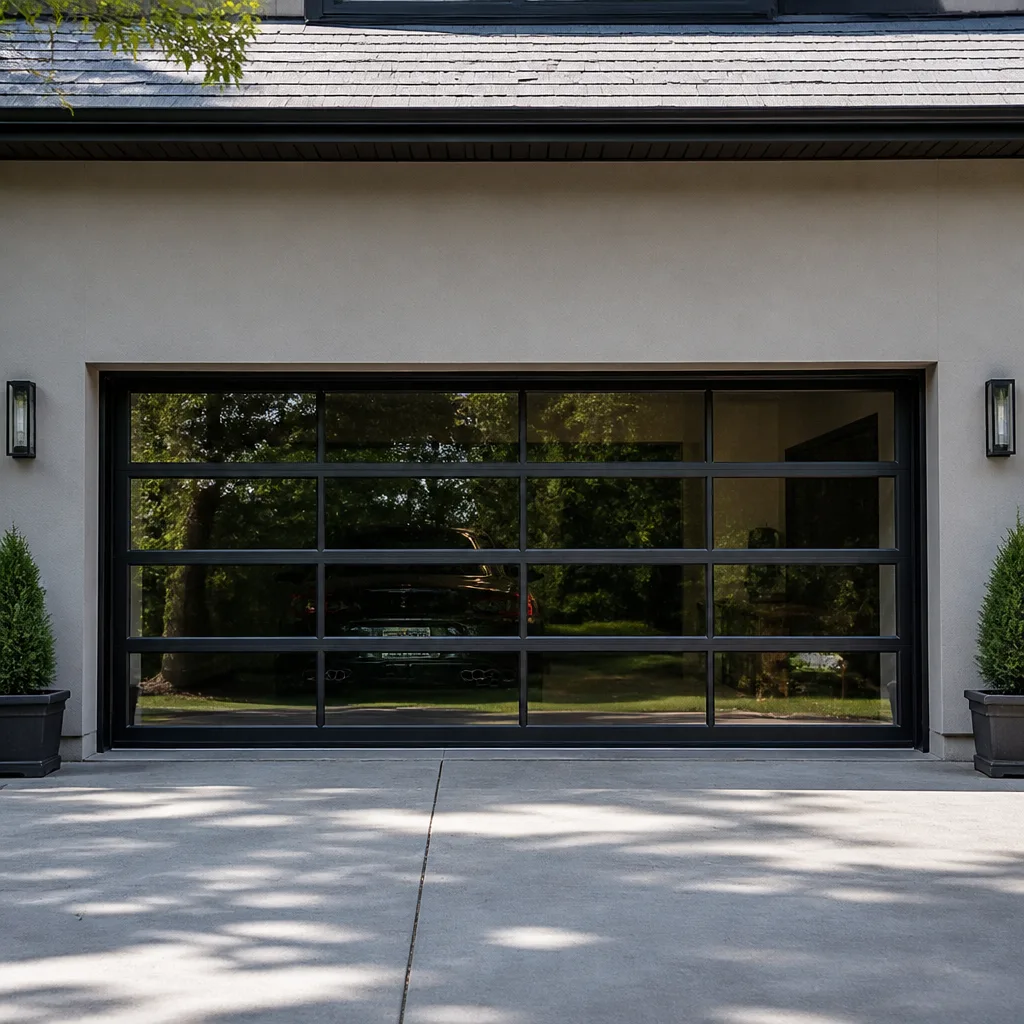 Full-view glass
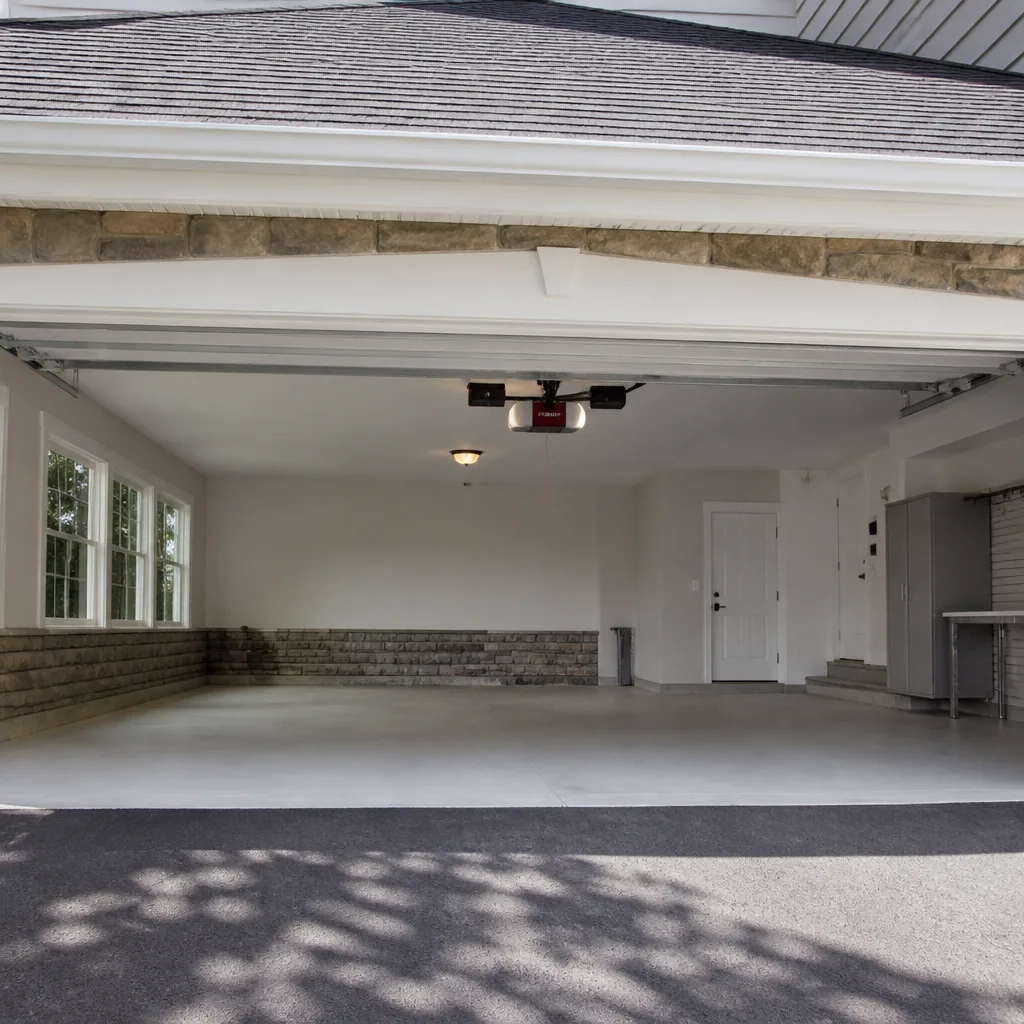 LiftMaster openers
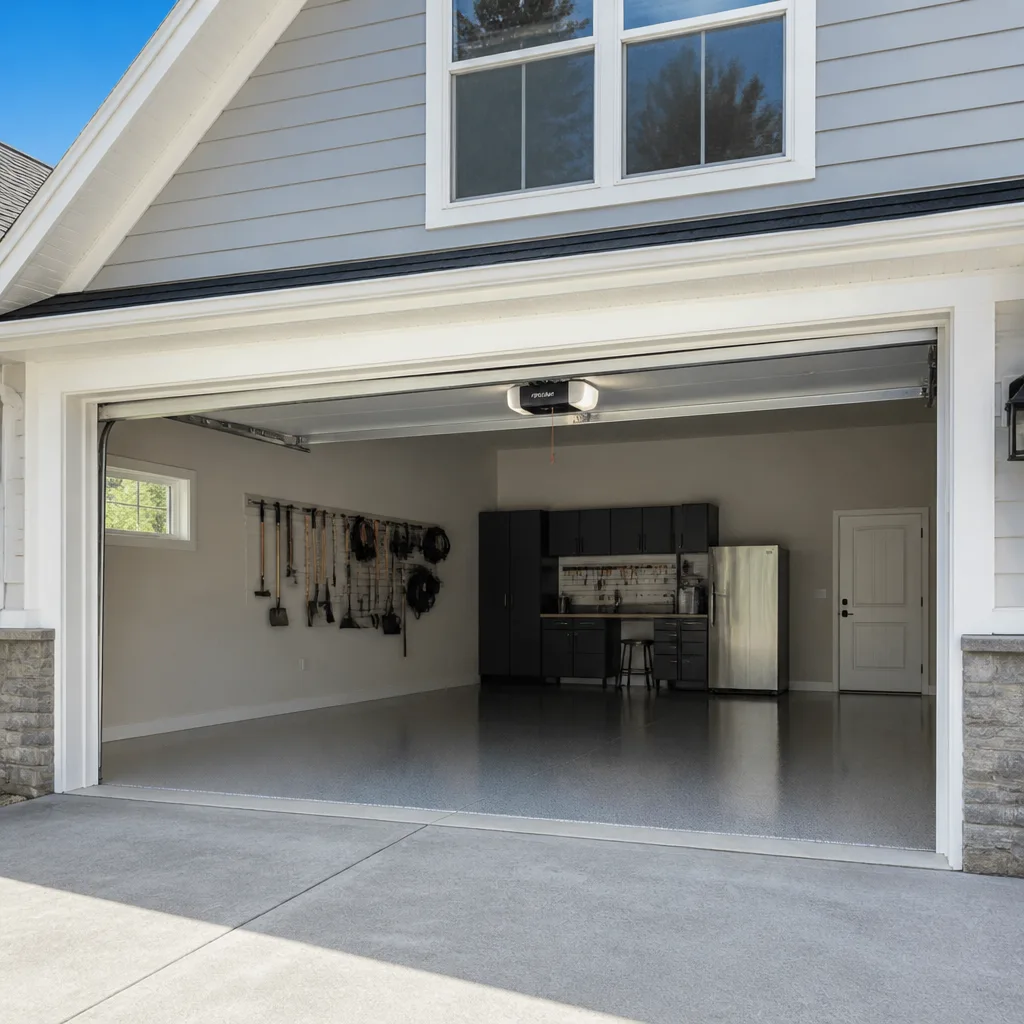 Chamberlain openers
Full 25-point door and opener safety check with every visit - springs, cables, rollers, tracks, and your LiftMaster or Chamberlain opener included
You get a price before we start. It does not change when the pro arrives.
Get your free estimateDIY vs Professional Garage Door: The Logan Square Homeowner’s Decision Guide
A torsion spring stores roughly 100 foot-pounds of torque. That’s more than enough energy to break a bone, and “watch a YouTube video” is not a sufficient qualification to unwind one. But here’s the part most guides get wrong: some garage door work genuinely is homeowner territory. Replacing a bottom seal or aligning a photo-eye takes twenty minutes and no special tools. The DIY versus professional question isn’t about how handy you are. It’s about which specific tasks carry real injury or liability risk and which ones don’t. This guide draws that line clearly, with Logan Square’s brick alleys, coach houses, and low-clearance garages in mind.
Quick Answer
Springs, cables, cable drums, and structural header work are never DIY. Those are high-tension or load-bearing components where a slip can injure you or drop the door. Weatherstripping, lubrication, photo-eye alignment, remote reprogramming, and the manual disconnect are all reasonable homeowner tasks. Everything electronic or structural in a Logan Square coach house garage is more complex than the same job on a suburban ranch, so it tilts further toward professional help. When in doubt, the free estimate costs nothing and answers the question in person.
Styles & brands we work with
- Raised-panel steel
- Carriage house
- Modern flush
- Full-view glass
- LiftMaster openers
- Chamberlain openers
Table of Contents
- The Hard Stop List: Tasks That Are Never DIY-Safe
- Why Garage Door Springs and Cables Are Different From Other Repairs
- The Legitimate DIY List, With Real Scope
- Logan Square’s Coach Houses and Low Headroom: Why Location Changes the Math
- The Permit and Insurance Angle Nobody Talks About
- The Cost Reality Check: What “DIY to Save Money” Actually Costs
- How to Choose a Garage Door Professional in Logan Square
- When to Call a Professional
- Frequently Asked Questions
The Hard Stop List: Tasks That Are Never DIY-Safe
Some garage door jobs should not be attempted by a homeowner at any skill level. This isn’t a sales pitch. It’s physics. These components hold stored energy or support the weight of the door, and when they fail during a repair, they fail violently. Our technicians have up to 13 years of experience, and every one of them treats this list with the same caution.
Here’s the hard stop list for a garage door in Logan Square or anywhere else:
- Torsion spring replacement. A torsion spring is wound to counterbalance the door’s weight, which means it’s under extreme rotational tension every second it’s installed. Unwinding one without the right winding bars and the technique to control the torque can send the bar or the spring across the garage. This is the most common call we get, and it’s the one we most want homeowners to leave alone.
- Extension spring replacement. Older doors use extension springs that stretch along the tracks. They’re under less rotational tension than torsion springs but store just as much energy when they snap, and they’re often mounted with safety cables that themselves wear out. Replacement means releasing that tension safely.
- Cable replacement and cable drum re-spooling. The lift cables are what actually raise the door, and they’re under load from the springs. A cable that’s improperly seated on the drum can slip while the door is up, and the door comes down. Re-spooling a drum requires the door to be balanced and the tension released in sequence.
- Structural header work. The header is the beam above the opening that carries the load of the wall over the door. If it’s sagging, cracked, or was cut too deep for a taller door, that’s carpentry and structural work, not garage door work. A garage door tech can tell you the opening is out of square, but a licensed contractor handles the framing.
- Track replacement on a door that’s come off the tracks. A door that’s jumped the track is usually carrying spring tension and is at risk of falling. Getting it back on safely sometimes means releasing and re-setting the springs, which loops back to item one.
If your door has a broken spring, a snapped cable, or has come off its tracks, don’t run the opener. Call a professional. For Logan Square homeowners, our garage door repair team handles these jobs daily.
Why Garage Door Springs and Cables Are Different From Other Repairs
The reason springs and cables are on the hard stop list isn’t that they’re complicated. It’s that they store energy. A garage door weighs somewhere between 100 and 300 pounds, and the springs are what make it feel like it weighs ten. That counterbalance is stored in the spring, and it doesn’t care whether the person adjusting it knows what they’re doing.
Think about a torsion spring the way you’d think about a wound clock spring, only a thousand times larger. When the door is down, the spring is wound tight. When the door is up, it’s mostly unwound. To replace it, you have to unwind it first, which means controlling all that torque by hand with two steel winding bars. The bars have to be seated properly in the winding cone, and you have to move them in sequence. A bar that slips out of the cone under load is a heavy steel rod flying through the air.
Extension springs are a different failure mode. They snap, and when they do, the loose end whips along the track at high speed. That’s why modern installs use safety cables through the center of the spring, and why replacing a spring without checking the cable is a half-finished job. We’ve seen plenty of older Logan Square garages where the safety cable is rusted or missing entirely.
Cables are the third piece. They run from the bottom bracket up over the drum and connect to the spring system. They’re always under tension when the door is closed, and the bottom bracket they attach to is under load too. A cable that lets go while you’re working near it can drop the door corner onto your hands. None of this is meant to scare you off maintenance. It’s meant to explain why “just watch a video” doesn’t cover it. The technicians who do this work are trained for high-tension hardware, and that training is the point.
The Legitimate DIY List, With Real Scope
Plenty of garage door work is fine for a homeowner. These tasks don’t involve stored spring energy, they don’t require specialty tools, and if you get them wrong, the door still works safely while you sort it out. Here’s what you can reasonably do yourself.
Weatherstripping and Bottom Seal Replacement
The bottom seal is the rubber or vinyl strip that runs along the bottom panel and seals against the floor. When it’s cracked or flattened, rain and cold air get in, and in Logan Square’s freeze-and-thaw winters that matters. Replacement is a matter of pulling the old seal out of its channel or off its retainer, cleaning the channel, and sliding or nailing the new one in place. It’s a twenty-minute job with a utility knife and a pair of pliers. Side and top weatherstripping on the door frame is similar. Measure the width and the retainer type before you buy, because there are several profiles and the wrong one won’t seat.
Lubrication
A garage door has a handful of moving parts that benefit from lubrication: the hinges, the rollers (the roller stems and bearings, not the rubber wheels if you have nylon rollers), the hinges’ pivot points, and the torsion spring itself. A light spray lubricant made for garage doors works. Wipe off excess so it doesn’t collect grit. Once or twice a year is enough for most doors in Logan Square, and it’s the single easiest thing you can do to extend the life of your hardware.
Photo-Eye Alignment
The two little eyes at the bottom of the door tracks are the safety reverse system. If they’re not lined up or the lenses are dirty, the door reverses or won’t close. Wipe the lenses with a clean cloth and check that each eye points straight at the other. If one is bumped out of position, loosening the bracket and nudging it back is a homeowner job. A door that reverses for no visible reason is worth a call, because the problem might be the wiring or the logic board.
Remote Reprogramming
Lost a remote or bought a new one? Reprogramming is a button-press sequence on the opener head, and the instructions are specific to the brand. LiftMaster, Chamberlain, Genie, and Craftsman all use different sequences and different button layouts. We cover the brand-by-brand details on our garage door opener repair page. This is a genuine DIY task once you know which sequence your unit uses.
Manual Disconnect Operation
Every opener has a manual release, usually a red cord hanging from the trolley. In a power outage or after an opener failure, pulling it lets you lift the door by hand and get the car out. Learn where it is before you need it. If the door is very heavy to lift by hand, that’s a sign the springs are failing, and that’s a call.
Logan Square’s Coach Houses and Low Headroom: Why Location Changes the Math
A garage door job in Logan Square is not the same job as the same door in a suburban ranch house. The neighborhood has a specific building stock that changes the complexity of every install, and it changes the DIY math too. If your garage is a converted coach house at the back of a lot, or one of the narrow single-car garages on a brick alley, this section is for you.
The first issue is headroom. Many older Chicago garages were built with a flat roof and a shallow ceiling, and some were built for carriages rather than cars. That means less clearance above the door for the opener rail and the torsion spring assembly. In a standard garage with an 8-foot ceiling, a ceiling-mount opener drops down on a rail and the springs sit above the door’s header. In a low-headroom coach house, the springs often have to be mounted on a low-clearance bracket, and the only opener that fits is a jackshaft or wall-mount unit that attaches to the torsion bar rather than hanging from the ceiling.
That configuration changes the DIY calculation directly. Installing a wall-mount opener means tying into the torsion bar, which is spring territory. Doing it wrong can leave the door unbalanced, and an unbalanced door puts uneven load on the opener and the tracks. Even in a standard garage, putting up a new ceiling-mount opener means lifting the rail overhead, anchoring to framing you have to locate, and running electrical. In a coach house with a low ceiling, you’re doing it in a tighter space with less room to maneuver.
Alley access is the second factor. A lot of Logan Square garages open onto a brick or concrete alley, not a driveway, and the door may be much wider than the apron in front of it. That’s a consideration for new installation more than repair, but it comes up when a door gets damaged and the replacement has to be delivered and staged. Our garage door installation team measures for this before anything gets ordered.
The third factor is age. A coach house garage that’s been standing for many decades has likely had its springs replaced more than once, its opener swapped at least once, and its tracks adjusted by whoever owned the house before. Old hardware mixed with new opener electronics is common in Logan Square, and brands like Clopay and Wayne Dalton show up on doors of very different vintages. That mix is exactly where a technician’s experience pays off.
The Permit and Insurance Angle Nobody Talks About
This is the part of the DIY vs. professional question that most guides skip entirely. It’s not just about whether you can do the work. It’s about what happens if the work is done without a permit and something goes wrong later. In Chicago, garage door opener installation involving new electrical work typically falls under the electrical permit rules for the city, and the details are worth confirming with the city’s building department before you run a circuit to a new opener.
What that means in practice: if you install a new opener yourself and wire it into a new circuit or a junction box, you may be doing electrical work that requires a permit and an inspection. A licensed electrician knows the process. A homeowner guessing at it does not. That’s not a reason to avoid the opener. It’s a reason to let a professional handle the electrical portion, or to have the opener installed by someone whose work meets the requirements.
The insurance side is the one homeowners tend to learn about the hard way. Most homeowner policies cover sudden and accidental damage from a garage door failure. What they don’t necessarily cover is damage that stems from work that wasn’t permitted or wasn’t done to code. If a DIY opener install causes an electrical fault that damages the door or starts a fire, the claim can turn into a mess and the insurer may decline it. We’re not insurance advisors, and the specifics depend on your policy. Read your policy and ask your agent before you take on anything electrical or structural. What we can tell you is that a permitted, professionally installed opener comes with a record of who did the work, and that record is worth something if you ever need to file a claim.
Spring, cable, and track repairs don’t typically require a permit. They do carry injury risk, which is why they’re on the hard stop list above. Permit rules for structural work, like replacing a header, typically do require a permit. Ask the city’s building department to confirm what applies to your address and situation.
The Cost Reality Check: What “DIY to Save Money” Actually Costs
Here’s the honest version. A spring replacement looks like a cost saving on paper, but that only holds if everything goes right. When a DIY spring job goes wrong, the total cost climbs fast, and it climbs in ways that don’t show up on the parts receipt. Let’s walk through what the real cost of a failed DIY garage door job looks like.
The Typical Professional Spring Repair
Spring repair in the Logan Square market typically runs about $180 to $340 for a single torsion spring, with the cost depending on spring size, door height, and access. That’s one spring. Most torsion systems use a matched pair, and when one breaks the other is usually at the end of its life, so a pair is commonly replaced together at roughly twice the single-spring price. A written estimate sets the final number, and the price is agreed before any work starts. For a sense of what else a repair call covers, our main Garage Door Repair Logan Square page lays it out.
The DIY Attempt That Goes Wrong
Now consider the DIY version. The cost of a replacement torsion spring is modest. The variables that aren’t on the receipt are the ones that matter:
- Injury. A winding bar that slips under load or a spring that releases unexpectedly can break a hand or a wrist. The medical costs of an ER visit and follow-up care dwarf any labor savings, and that’s before lost work time.
- A dropped door. If the door comes down while you’re under it or beside it, the panels can buckle. A damaged lower panel on a Clopay or Amarr door is a real cost, and on a discontinued model the panel may not be available at all, which can force a full door replacement.
- A bent track or twisted torsion bar. Spring replacement done wrong loads the door unevenly. Uneven load bends tracks and can bend the torsion tube itself, which turns a spring job into a bigger repair.
- A second call to a professional anyway. Many of the spring calls we get are follow-ups to a half-finished DIY attempt. The homeowner pays for the parts and then pays again for the professional repair, and the total is higher than if they’d called first.
When you add it up, the “save money” math on a spring replacement only works if nothing goes wrong, and the downside when something does go wrong is much larger than the savings. That’s the case for professional spring work in one sentence.
How to Choose a Garage Door Professional in Logan Square
If you’ve decided to call someone, the next question is who. The garage door trade has a wide range of operators, from specialists who do the full job to generalist handymen who’ll take a spring call but don’t carry the parts. Here’s what to look for when you’re choosing.
- They name the specific components and brands. A technician who knows a LiftMaster Logic board from a Genie board, or a Clopay panel profile from an Amarr one, is working from a parts catalog rather than guessing. Ask what brand your opener is on the call and see how specific the answer is.
- They handle springs specifically. Spring repair is the most common and most dangerous garage door failure. A company that treats it as a named service, not a footnote, is signaling that the technicians are trained for high-tension hardware.
- They supply parts as well as labor. A labor-only operator leaves you to find a replacement panel or spring yourself, and that’s where a repair can stall. A company that sources and installs components finishes the job.
- They cover both mechanical and electronic systems. A door and its opener are two separate systems that have to work together. You don’t want to coordinate a door company and an opener company on the same problem.
- The price is quoted and agreed before work starts. Get a written estimate. The price on the estimate is the price, and a professional will tell you if the job changes once they see it before they start.
- The local pro is licensed and insured as their state requires. Ask for confirmation before the job begins.
We work on the brands most Logan Square homeowners already own: LiftMaster, Chamberlain, Genie, Clopay, Amarr, Wayne Dalton, Craftsman, and Raynor. Springs, openers, panels, and full installs, one call covers it. If you have a Clopay door or a Craftsman opener and you’re not sure what it needs, tell us what you have and we’ll tell you exactly.
When to Call a Professional
Some situations call for a professional without much debate. A broken torsion or extension spring is the clearest one, and so is a snapped cable or a door that’s come off its tracks. A door that reverses before it touches the floor, a door that’s visibly sagging at one corner, or a door that’s hard to lift by hand all point to a problem that needs a trained eye. An opener that runs but doesn’t move the door, or a wall button that does nothing, may be an easy fix or a failing logic board, and a diagnostic call sorts it quickly. If your garage has low headroom and you’re considering a wall-mount opener, have someone measure before you buy. Garage Door Repair Logan Square offers free estimates in Logan Square and the surrounding neighborhood. Call (866) 650-1667. We answer 24/7. Fast dispatch from 7am to 7pm, Sunday through Friday. A call outside dispatch hours is booked into the next opening. The price is quoted and agreed before any work starts, so you know the number before the technician picks up a tool.
Common Mistakes to Avoid
- Running the opener after a spring breaks. If a spring snaps, the door is no longer counterbalanced. Running the opener on an unbalanced door can burn out the motor or force the door down hard. Stop using the door and call.
- Using a garage door spring as a place to hang things. We’ve seen storage hooks screwed into the torsion tube and the tracks. That’s load-bearing hardware, not a shelf, and adding weight to it is a fast way to break something.
- Ignoring a slow-reversing safety reverse. The door should reverse immediately when it meets an obstruction. A door that pushes down before reversing needs adjustment, and in Logan Square, where garages open onto alleys with kids and pets, that adjustment matters.
- Buying a new opener without checking the door’s balance first. A door that’s hard to lift by hand is a door with a spring problem, and a new opener won’t fix it. The opener works harder and fails sooner. Balance the door before you replace electronics.
- Wiring a new opener without checking the permit rules. Chicago’s electrical permit requirements apply to opener installs that involve new circuits or junction boxes. Confirm with the city’s building department, and consider a licensed electrician for the electrical portion.
- Assuming “standard” fits a coach house. Low-headroom garages take a different opener and a different spring configuration. Ordering a standard ceiling-mount unit for a low-clearance Logan Square coach house is a common and expensive mistake.
- Skipping lubrication because the door “still works.” Hinges and rollers wear out faster without lubrication, and a worn hinge puts stress on the panels. A yearly spray is the cheapest maintenance there is.
Frequently Asked Questions
No, not safely. A torsion spring is under extreme rotational tension, and unwinding one without the right tools and training can injure you badly. Professional spring repair in the Logan Square market typically runs $180 to $340 for a single spring, with a matched pair at roughly twice that. Call (866) 650-1667 for an exact quote. We answer 24/7. Fast dispatch from 7am to 7pm, Sunday through Friday. Estimates are free.
It depends on the electrical work involved. Opener installs that involve new circuits or junction boxes can require an electrical permit and inspection under Chicago rules, and you should confirm the specifics with the city’s building department before you start. Removing the permit question entirely by having a professional do the install is the simpler path, and it leaves a record of who did the work.
It can, in some cases. Most policies cover sudden and accidental damage, but damage caused by work that wasn’t permitted or wasn’t done to code may not be covered. The specifics depend on your policy, so ask your agent before you take on anything electrical or structural. A permitted, professionally installed opener comes with documentation that can matter at claim time.
Weatherstripping and bottom seal replacement, lubrication of hinges and rollers, photo-eye alignment, remote reprogramming, and learning the manual disconnect are all reasonable homeowner tasks. None of them involve stored spring energy, and none require specialty tools. Spring, cable, and structural work should stay with a trained technician. Our technicians have up to 13 years of experience with the hardware most Logan Square garages have.
Low headroom is the main reason. Coach house garages often have shallow ceilings that don’t leave room for a standard ceiling-mount opener rail and the torsion assembly above the door. Many of them need a wall-mount or jackshaft opener that ties into the torsion bar, and that’s spring territory. The tighter space also makes the install harder to do by hand, and the electrical work raises the same permit question a standard install does. Have the space measured before you buy an opener.
Often yes for spring, cable, and opener repairs, since those are the most common calls and we carry the parts. Installation, replacement, and new-door work is measured and scheduled rather than same-day. Call (866) 650-1667 to find out what your job needs. We answer 24/7. Fast dispatch from 7am to 7pm, Sunday through Friday. Estimates are free, and the price is confirmed before work starts.
Professional repair typically runs $180 to $340 for a single torsion spring, with a pair at about twice that, and a written estimate sets the final number. DIY is cheaper on parts but carries injury and damage risk that can cost far more if something goes wrong. Call (866) 650-1667 for an exact quote. Estimates are free.
The Bottom Line
The DIY question for garage doors comes down to stored energy. Springs, cables, and structural headers hold or support the door’s weight, and those tasks belong with a trained technician no matter how handy you are. Weatherstripping, lubrication, photo-eye alignment, remote programming, and knowing your manual disconnect are all reasonable homeowner work. In Logan Square, the coach house and low-headroom building stock pushes more of the list toward professional help, because the opener and spring configurations are less standard than they look. If you’re weighing a repair, start with the free estimate. Garage Door Repair Logan Square can tell you what your door needs and what it will cost before you commit to anything. Call (866) 650-1667. We answer 24/7. Fast dispatch from 7am to 7pm, Sunday through Friday.
Written by the team at Garage Door Repair Logan Square.
See the difference
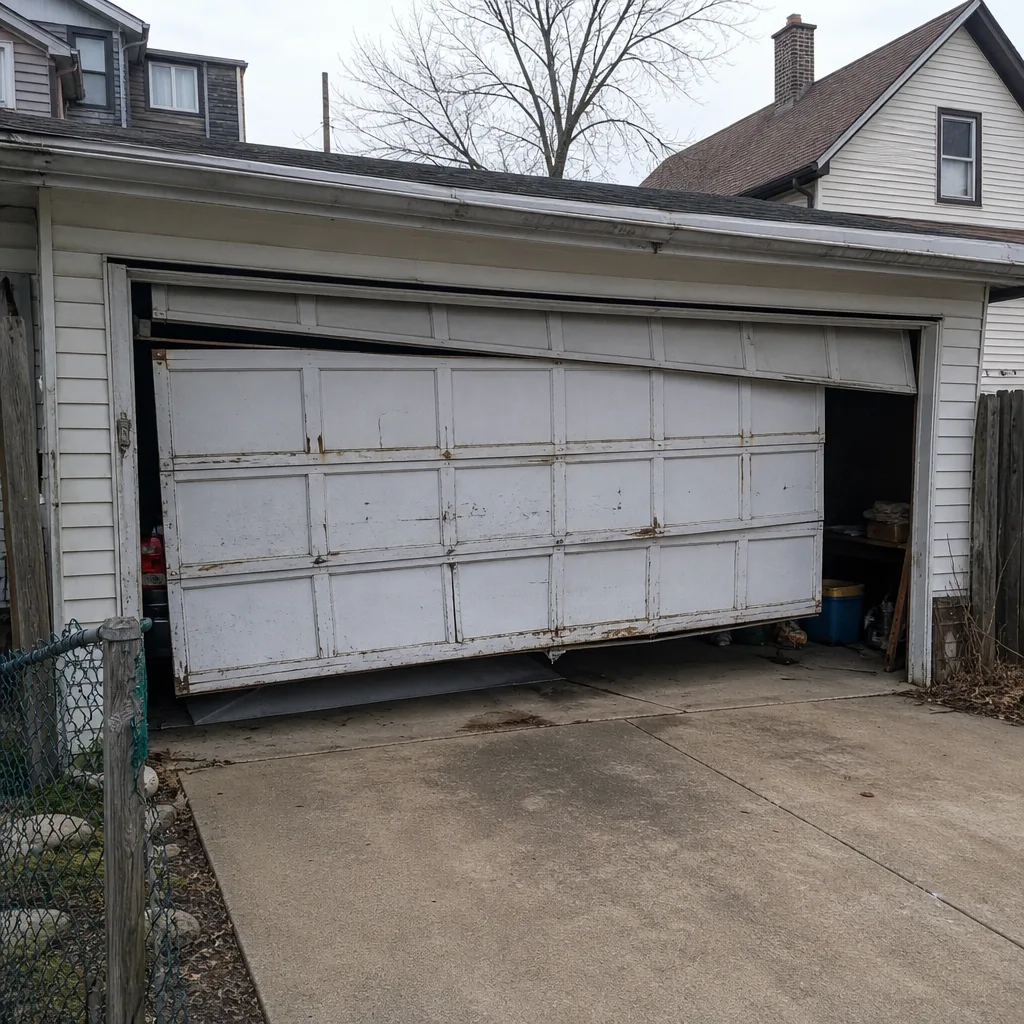 Before
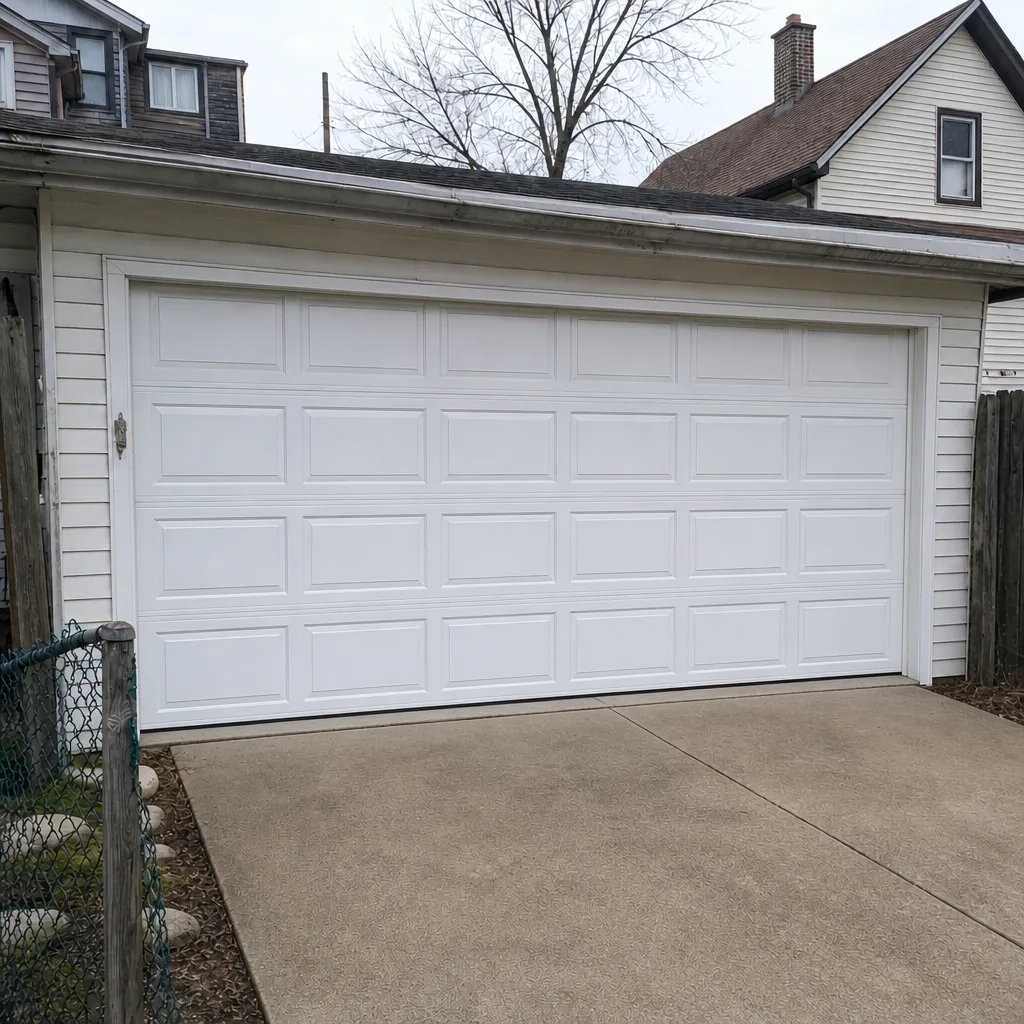 After
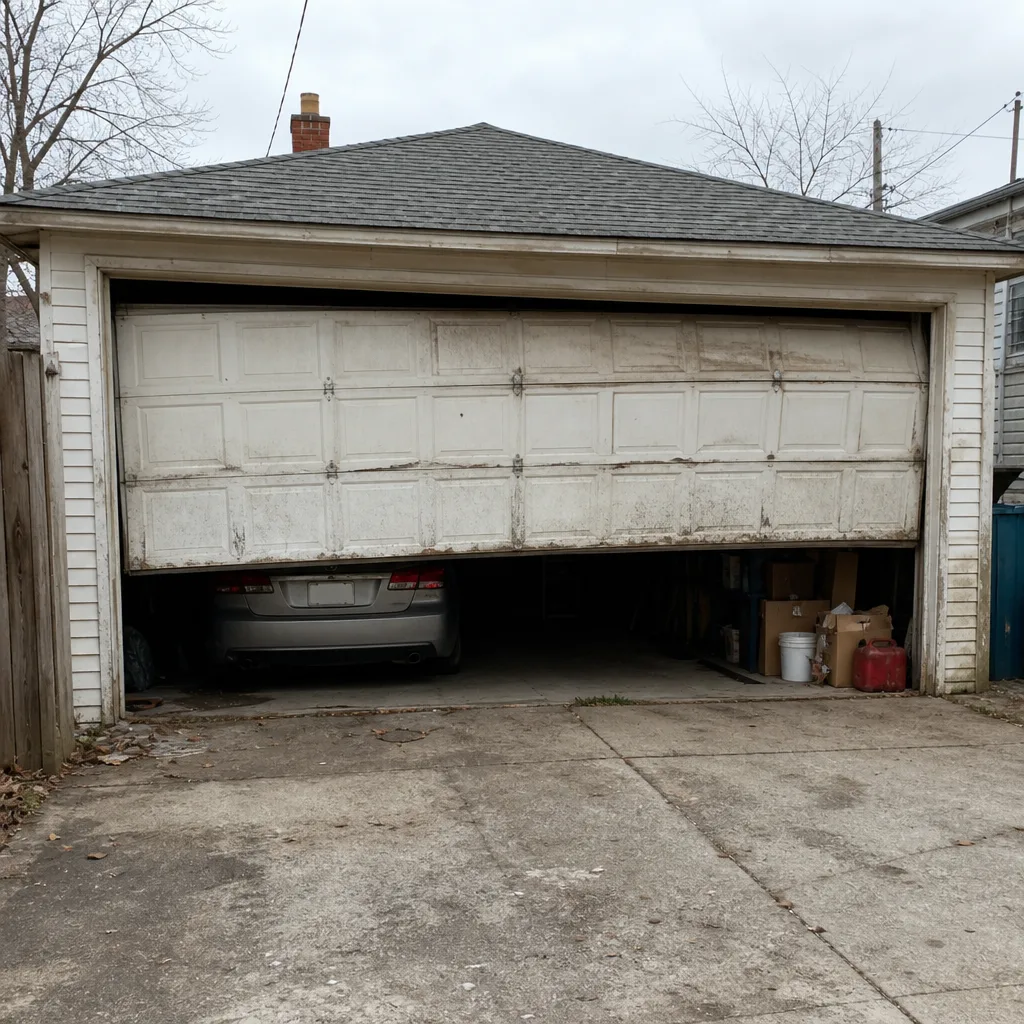 Before
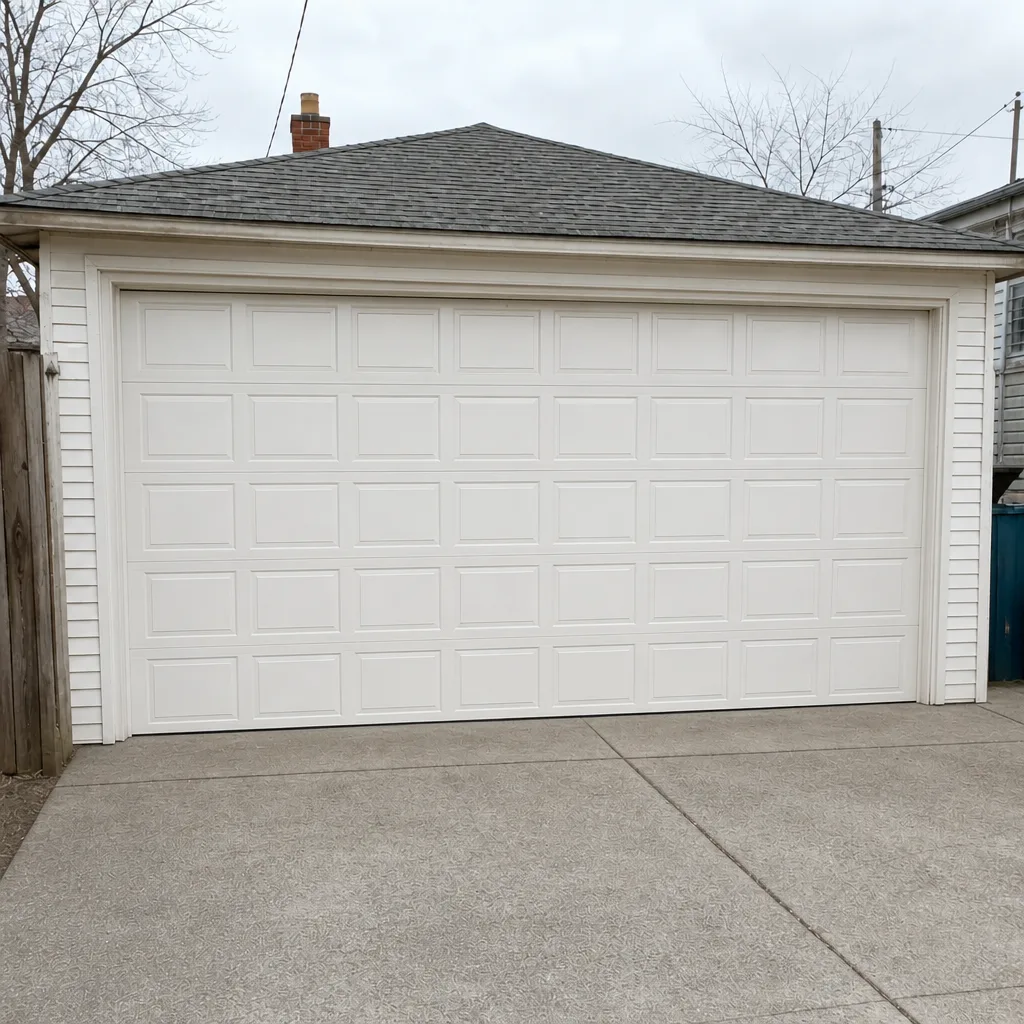 After
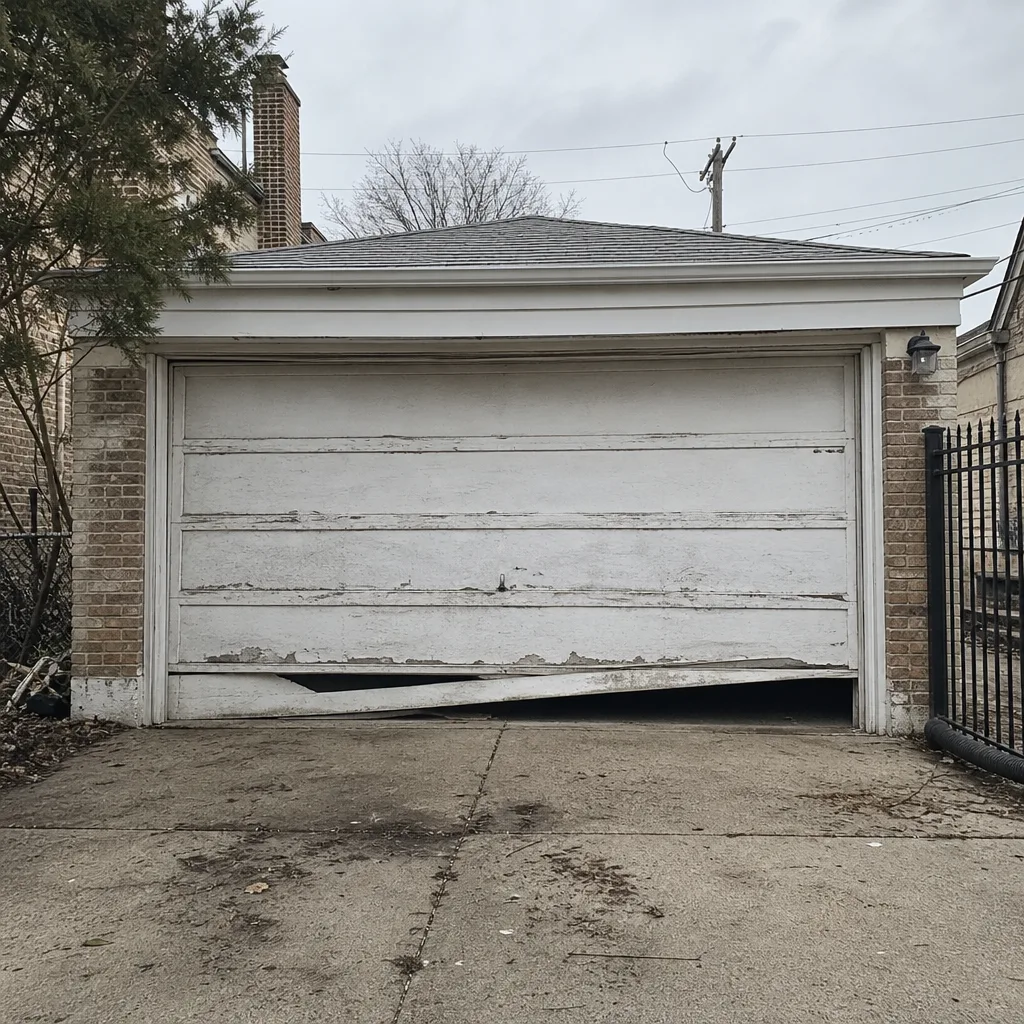 Before
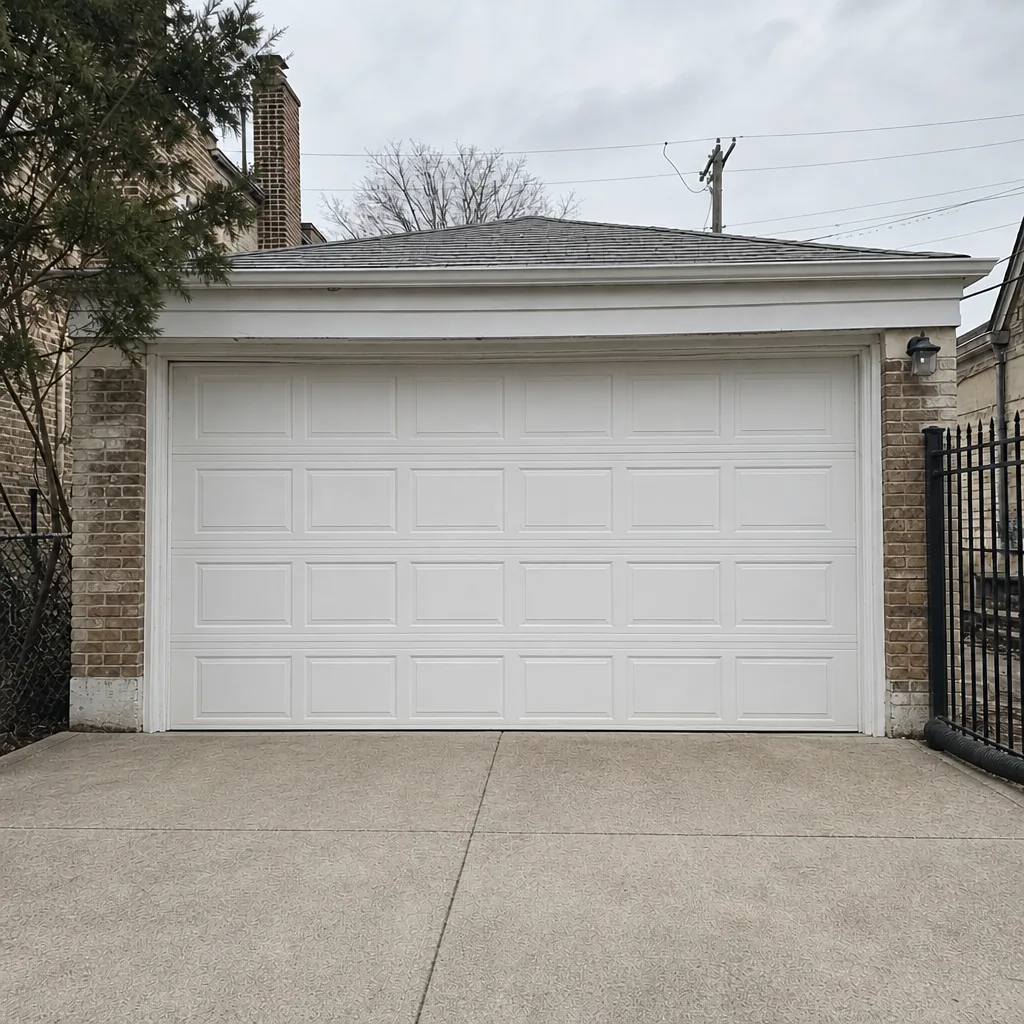 After