
Last updated November 21, 2026
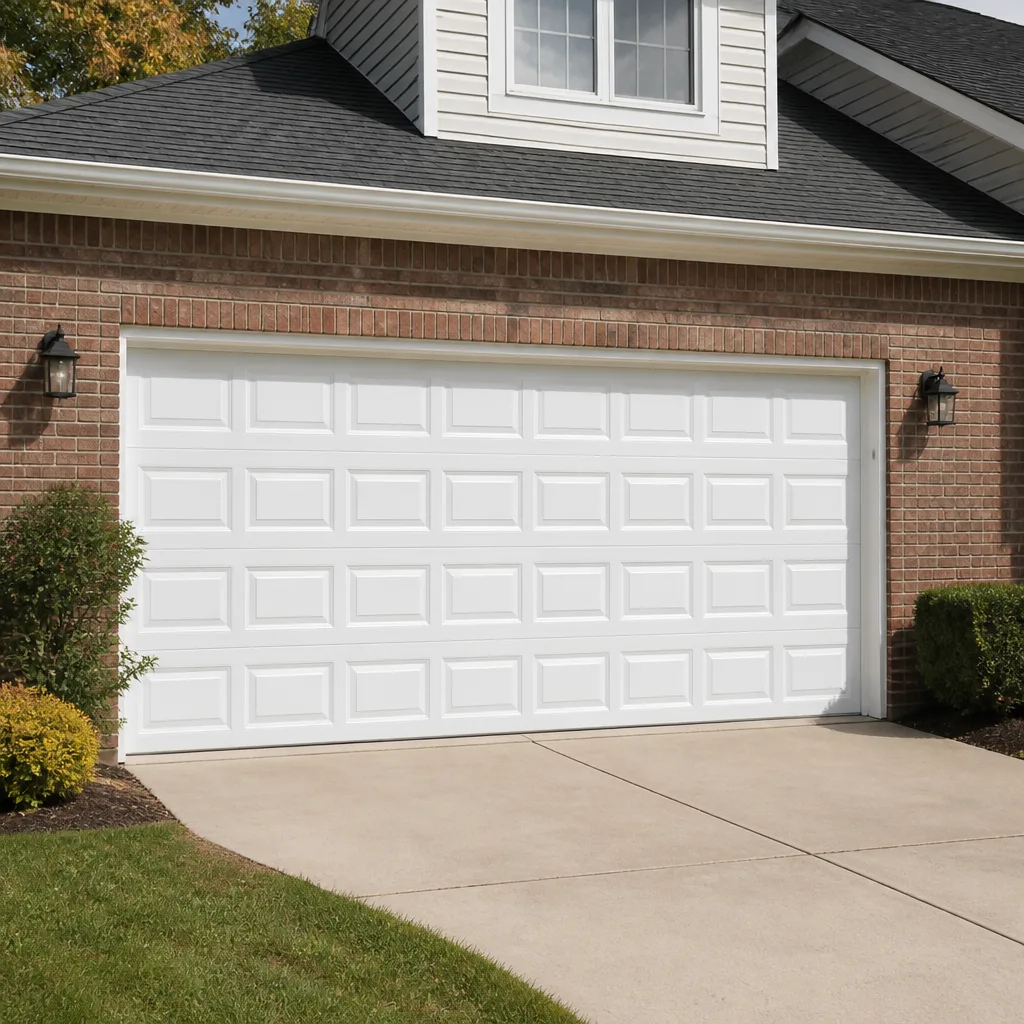 Raised-panel steel
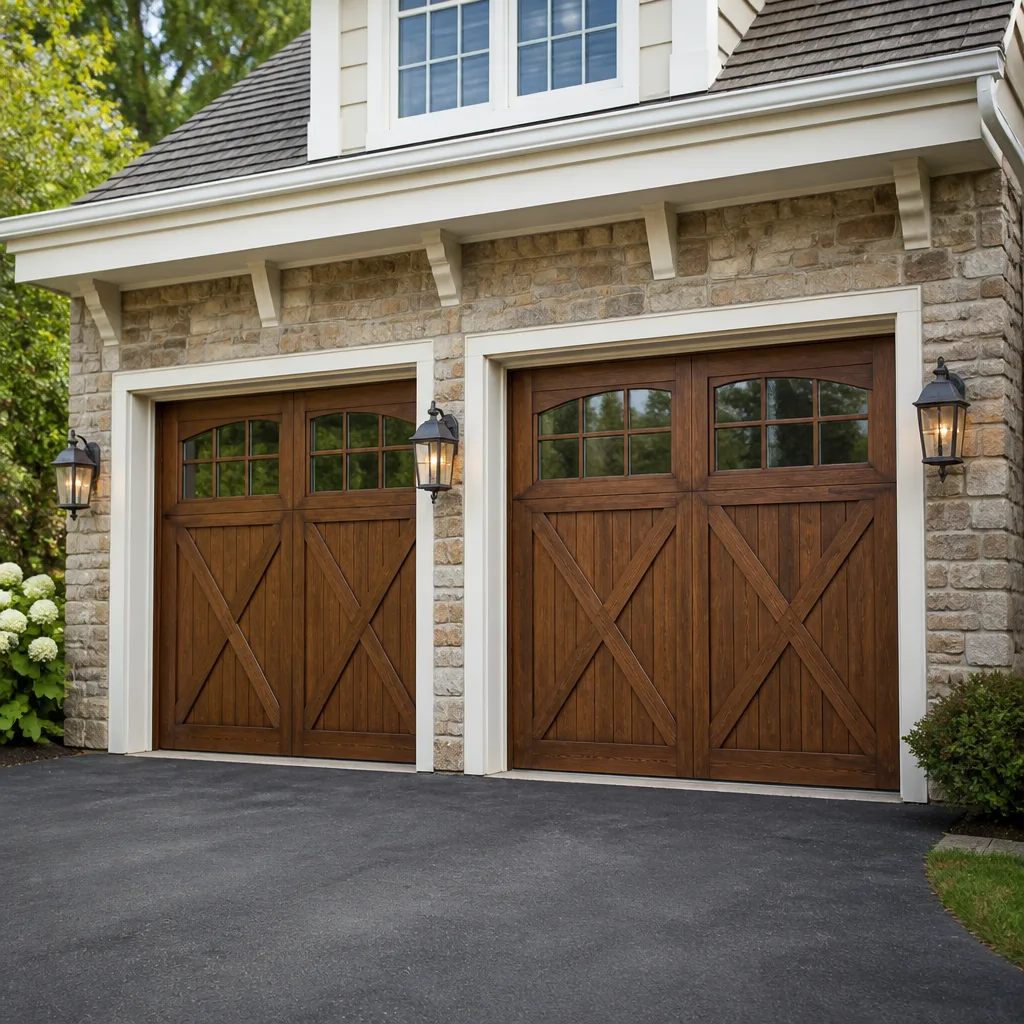 Carriage house
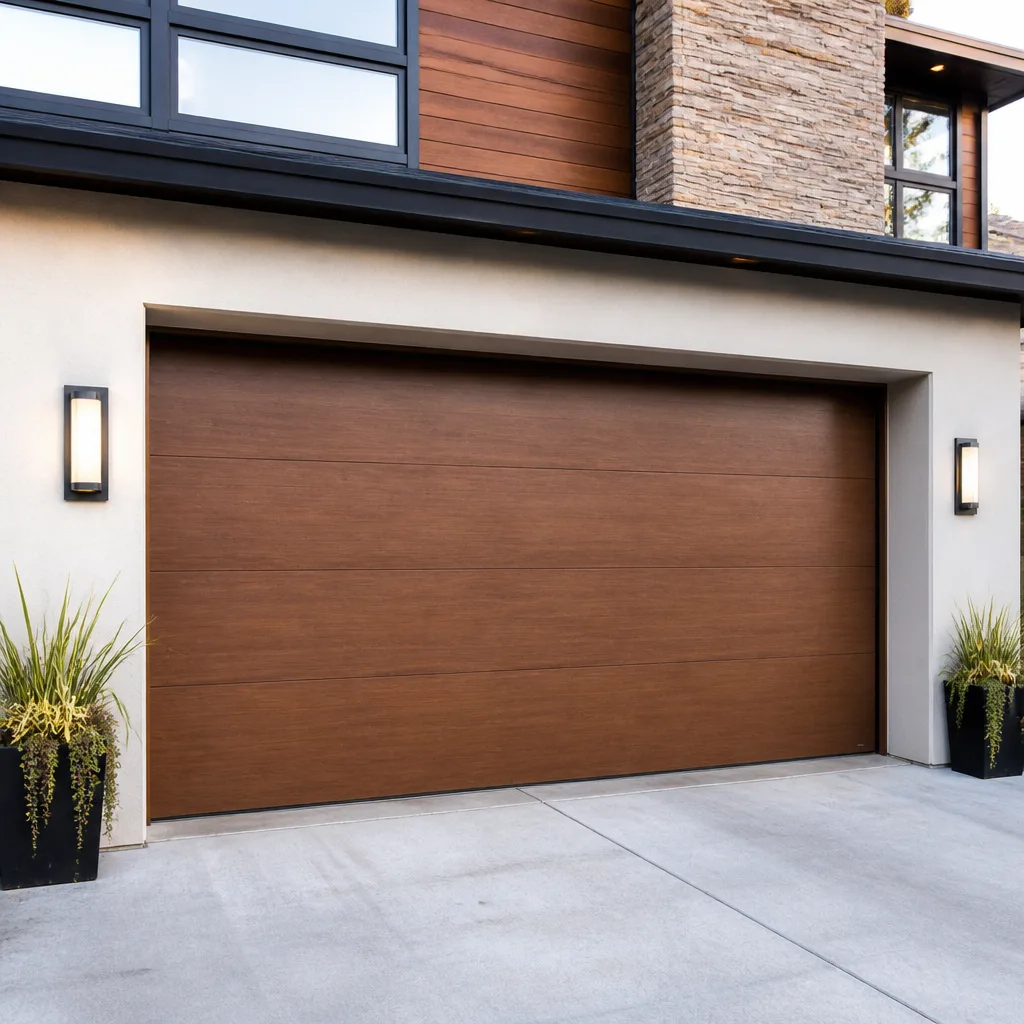 Modern flush
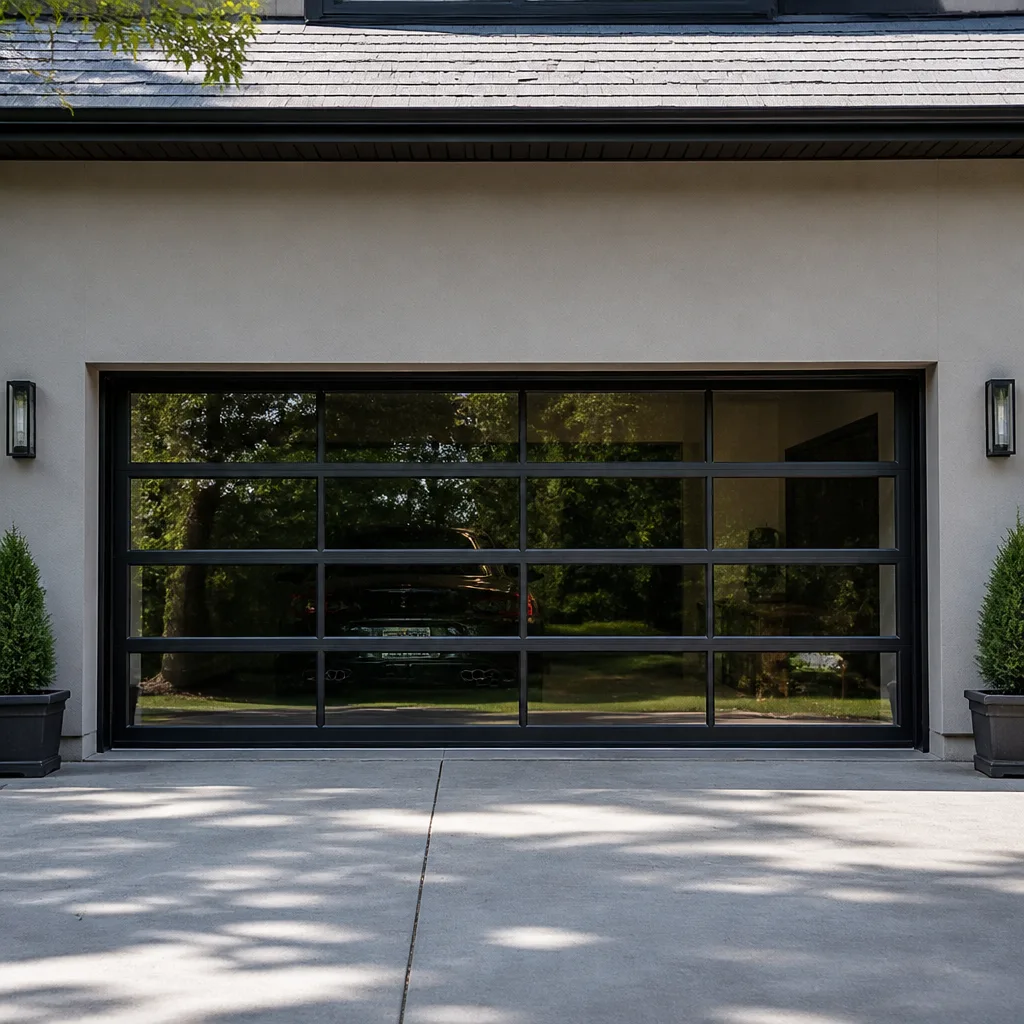 Full-view glass
 LiftMaster openers
 Chamberlain openers
Full 25-point door and opener safety check with every visit - springs, cables, rollers, tracks, and your LiftMaster or Chamberlain opener included
You get a price before we start. It does not change when the pro arrives.
Get your free estimateGarage Door Permits, Codes & Inspections in Logan Square, IL: What You Need to Know
Most Logan Square homeowners assume that replacing a garage door never requires a permit. That’s not quite right. Chicago treats a garage door as part of the building envelope and the structure behind it, so the permit question depends on what’s actually changing, not on whether a new door is involved. Swap a single 8×7 door for a double 16×7 to park a second car, and you’ve triggered a structural permit. Add a new opener circuit to a detached garage with old wiring, and an electrical permit enters the picture too. This guide walks through what needs a permit and what doesn’t, how the City of Chicago and Cook County inspect garage work, how to check whether an earlier owner did it correctly, and what happens when they didn’t.
Quick Answer
In Chicago, a straight like-for-like garage door replacement in the same size and opening generally does not need a building permit, but a change in door size, a new structural header or framing modification, and most new electrical circuits for an opener do require permits, with electrical work signed off by a licensed electrician. The City of Chicago inspects permitted garage work through its building department once the rough work is done and again at final, and you can verify any past permit yourself through the city’s online portal before you buy or sell a Logan Square home.
Styles & brands we work with
- Raised-panel steel
- Carriage house
- Modern flush
- Full-view glass
- LiftMaster openers
- Chamberlain openers
Table of Contents
- What actually triggers a Chicago garage door permit
- When a like-for-like replacement is exempt
- Electrical permits and opener installation
- Structural header changes and size conversions
- The Chicago and Cook County inspection process
- How to check past permits on a Logan Square property
- Unpermitted garage work and a home sale
- Common mistakes to avoid
- Frequently asked questions
What Actually Triggers a Chicago Garage Door Permit?
In our experience, Chicago’s garage door permit rules come down to one idea: replacement in kind is treated differently from a change to the building. If the door stays the same size in the same opening with the same structural framing, most homeowners are looking at a straightforward swap with no permit. Once the size, the opening, the header, or the electrical service changes, the city wants to see plans and an inspection. That distinction is where most of the confusion lives, and it’s why a Logan Square homeowner can get two different answers from two different contractors about the same job.
Here’s how we think about the trigger matrix in practice:
- Same size, same opening, new door panel: usually no building permit.
- Same size, new material (steel to wood-look composite, for example): usually no building permit, but check with Chicago’s Department of Buildings to confirm.
- Same size, new opener on existing wiring and existing circuit: no electrical permit in most cases, since the circuit isn’t being modified.
- New opener with a new dedicated circuit or a panel change: electrical permit required, licensed electrician needed.
- Changing door dimensions (8×7 to 9×7, or single to double): building permit required, because the opening and header change.
- Modifying the header or structural framing above the garage opening: building permit required, and often engineered drawings.
- New garage construction or a change to the garage footprint: full building permit, not just a door permit.
One thing worth saying plainly: this matrix reflects how these jobs are generally handled, but Chicago’s code does shift, and the Department of Buildings has the final say on any given address. Before you commit to a scope, call the city’s building department with your address and the exact change you’re proposing. That one call is the difference between a clean project and a red-tag surprise at the final inspection.
When Is a Garage Door Replacement Considered Like-for-Like?
A like-for-like replacement means the new door occupies the same rough opening, uses the same track layout and hardware configuration, and doesn’t change the structural relationship between the door and the building. If you’re replacing a worn steel door on a two-flat in Logan Square with a new door of the same dimensions, you’re almost certainly in like-for-like territory, and no building permit is needed. That’s true whether you choose a Clopay or an Amarr model at the same nominal size.
The trap is when a “replacement” quietly becomes something more. A few scenarios we see regularly:
- The track and spring upgrade. Going from extension springs to a torsion system with a different mounting point can require new framing in the header, which pushes the job into permit territory.
- The “it’ll fit” conversion. A 16×7 door won’t fit into an opening built for an 8×7 door without changing the header, the jambs, and the track. That’s structural work, not replacement.
- The panel and section mismatch. Using a sectional door where there was a one-piece tilt-up, or vice versa, usually changes the track and the mounting, which is a structural change on older Logan Square garages.
- The opener wiring. Hanging a new LiftMaster or Chamberlain unit on existing wiring is one thing. Running a new circuit from the house panel to a detached garage is another, and it needs an electrician and a permit.
Age matters too. Many Logan Square garages were built decades ago with framing that wasn’t designed for the weight or the geometry of a modern insulated door. If your garage has any visible sag at the header, cracked brick above the opening, or a door that’s out of square, get it looked at before ordering a new door. Swapping in a heavier door on tired framing is exactly the kind of change that should go through a permit and an inspection.
Do You Need an Electrical Permit for a New Garage Door Opener?
Sometimes, and the deciding factor is whether the electrical circuit is being modified. If a garage already has a dedicated circuit and a working outlet near the opener location, installing a new opener is a swap, not new electrical work. If the garage has no circuit, or an old circuit with cloth-insulated wiring, or the homeowner wants a new outlet added, an electrical permit is usually required, and a licensed electrician has to pull it and perform the work.
This split between what a garage door contractor can do and what an electrician must do is where jobs stall. Here’s how it usually plays out:
- Door mechanics and opener installation: handled by the garage door technician, including mounting the rail, connecting the arm, setting the limits, and pairing remotes to a LiftMaster, Chamberlain, Genie, or Craftsman unit.
- Final connection to an existing outlet or junction box: in most cases the garage door contractor can plug in or connect to an existing, permitted circuit. Confirm with the city if you’re unsure.
- New circuit, panel work, or new outlet: licensed electrician, electrical permit, inspection.
- Low-voltage wiring like safety sensors and wall controls: usually handled by the garage door technician, since it’s not part of the home’s electrical system.
If you’re installing a new opener and you’re not certain the garage wiring is up to code, the safest path is to have an electrician check the circuit before the opener goes up. A modern WiFi-enabled opener draws more than a 1990s chain drive, and the last thing you want is a tripped breaker every time the door runs. If you need help with the opener side of the job, our garage door opener repair team works on the mechanical and electronic parts, and can tell you when it’s time to call an electrician.
Structural Header Changes and Size Conversions
Any change to the opening size, the header above it, or the framing that carries the door’s weight is structural, and structural changes need a Chicago building permit. This is the single most common place where a homeowner assumes “replacement” and the city sees “alteration.” Widening an 8×7 opening to a 9×7 to fit a wider vehicle, or converting a single-bay garage to a double, means cutting the header, adding new framing, and re-supporting the load above. That’s not a door job; it’s a construction project with a door at the end of it.
For most Logan Square two-flats and greystones, the garage is a detached masonry structure at the back of the lot, often with a shared alley. A few things to keep in mind:
- Get a structural assessment first. A contractor who proposes changing the opening without looking at the header and the brick above it isn’t giving you a real answer.
- Pull the permit before ordering the door. Doors are built to order, and if the permit comes back requiring a different opening dimension, you’ve bought the wrong door.
- Expect an inspection at the rough-in stage. The city will want to see the new framing before it’s closed up, and again at final.
- Check the alley and setback rules. A wider garage opening can affect where a car can park and how it swings into the alley, and Chicago’s zoning review may touch on that depending on the change.
When the structural work is done and signed off, the door itself can go in. If you’re weighing sizes and want a sense of what a full replacement involves, our garage door installation service covers the door side, and we can walk you through how the new opening dimensions affect the door you order.
One more thing, and this is the one that trips people up at resale: if a previous owner widened the opening without a permit, the city doesn’t care that you didn’t do it. The violation follows the property, and the current owner is on the hook for either legalizing it or removing it.
The Chicago and Cook County Garage Door Inspection Process
Chicago’s Department of Buildings handles permit review and inspection for garage work within the city, and Cook County handles unincorporated areas outside the city limits. If your Logan Square address is inside Chicago, you’re dealing with the city. The inspection process for a permitted garage door or structure job usually runs in two phases: a rough inspection before things get closed up, and a final inspection once the work is complete.
Here’s a realistic view of how a permitted garage door project moves through inspection:
- Permit application and plan review. You or your contractor submits the scope, drawings, and any structural calculations to the city. Review timelines vary with the complexity of the project and the current workload at the Department of Buildings.
- Rough inspection. After the new framing, header, or electrical is in but before it’s covered, the inspector checks dimensions, fastening, and code compliance.
- Electrical inspection, if applicable. The electrician’s work is inspected separately in most cases, so the electrical sign-off can come before or alongside the building rough.
- Final inspection. Once the door is hung, the opener is connected, and the site is clean, the inspector confirms the completed work matches the approved scope.
- Certificate of occupancy or completion. For a door-only permit, this is usually a completion sign-off. For a change of use or new structure, you’re looking at a certificate of occupancy.
What inspectors actually look for on a garage door job is narrower than homeowners expect. They check that the opening matches the approved dimensions, that the header and framing are as specified, that the door meets the approved spec, and that electrical work was done under a separate permitted scope. They typically don’t test the opener’s remotes or the safety sensor alignment; that’s the technician’s job, and it’s why a final walkthrough with the installer matters as much as the inspection itself.
If you’re scheduling work in Logan Square and want help understanding what your project needs before you talk to the city, call (866) 650-1667. We answer 24/7. Fast dispatch from 7am to 7pm, Sunday through Friday.
How to Check Whether a Garage Alteration Was Permitted
You can check the permit history on any Logan Square property without leaving your chair, and it’s worth doing before you buy, before you remodel, and before you sell. Chicago maintains an online permit portal where you can search by address and see what permits were pulled, when, and whether they were closed out with an inspection. That record is what a buyer’s attorney and a title company will look for.
Here’s the step-by-step:
- Go to the City of Chicago’s online permit portal and open the address search.
- Enter the property address in the standard format (street number, direction, street name, suffix).
- Review the permit list and look for permits with descriptions like “garage,” “door,” “opening,” “header,” or “electrical.”
- Open each permit to see the scope, the contractor, and the status.
- Confirm the permit was inspected by checking for a passed inspection or completion status. A permit that was issued but never inspected is a red flag.
- Cross-reference the door size shown on any garage permit against the current opening. If the permit shows a 9×7 and the garage now has a 16×7, someone widened it later.
- Save copies of any relevant permits as a PDF for your records. If the portal doesn’t show a permit for work you know happened, follow up with the Department of Buildings directly.
Two things to remember while you’re looking. First, older paper permits may not be in the online system, so an absence of records doesn’t always mean the work was unpermitted. Second, if a permit exists but shows “open” or “expired,” that’s usually fixable, but it’s a conversation to have before closing.
If a permit search turns up an open item on a garage door, our team can look at the door and help you figure out what it will take to close it out. For a garage door repair where the paperwork is unclear, a free estimate starts the conversation.
How Unpermitted Garage Work Shows Up During a Home Sale
Unpermitted garage work doesn’t come up in the listing photos. It comes up during the buyer’s inspection or the title search, when a savvy inspector notices that the opening dimensions don’t match what the permits show, or when the title company pulls a permit report and finds an open permit from years ago. In our experience, this is where Logan Square sellers get blindsided, because the work was done well before they bought the property and never crossed their radar.
What usually happens at that point:
- The buyer’s attorney requests proof of permits for the garage work, and a missing permit becomes a negotiating point.
- The city may flag the work during a pre-closing inspection or a later compliance sweep, and open a violation on the property.
- The seller has to either legalize the work by pulling permits now and getting it inspected, or remove and rebuild it to the original condition.
- The cost of remediation can be significant, especially for a size change that requires structural work, new framing, or a new door that fits the original opening.
- Timing gets tight. Closing dates don’t move for permit review, so an unpermitted garage can delay or derail a sale.
The practical lesson: if you’re buying a Logan Square property with a modified garage, check the portal before you remove contingencies. If you’re selling, do the same search yourself before you list. Finding the issue on your timeline is a lot cheaper than finding it on the buyer’s.
One more nuance: unpermitted work isn’t automatically a dealbreaker. Plenty of buyers will accept a garage that’s been widened without a permit if the seller pulls the permits and legalizes it as part of the transaction. The problem is when nobody knows it’s there until the last two weeks of escrow.
What About When a Garage Door Fails Before a Permit Is Resolved?
There’s a specific situation we see often: a homeowner discovers an unpermitted or open permit on a garage at the same time the door itself starts failing. Maybe the spring snaps, the opener gives out, or the door comes off the track. Now there’s a paperwork problem and a safety problem on the same structure. The right sequence is to make the door safe first, then sort out the paperwork.
A few practical notes:
- Safety first. Torsion springs and cables are under extreme tension and are genuinely dangerous to touch. Do not try to adjust them yourself. Get a trained technician out.
- Document the condition. Take photos of the current door, opening, and hardware before any repair or replacement. Your permit application and any inspection report will reference the existing condition.
- Check the portal before you order a door. If the opening dimension doesn’t match what the permit shows, order a door to match the actual opening, and get the permit updated.
- Keep repair records. If an inspector later asks what happened to the door, a repair invoice and photos will answer the question cleanly.
If your door fails on a day we’re not dispatching (we’re closed Saturdays), call (866) 650-1667. We answer 24/7, and we’ll book you into the next opening, Sunday through Friday, 7am to 7pm. If you need a broader look at repair scope on a Logan Square garage, our garage door repair page covers the common failure points.
Does the Door Brand or Material Affect the Permit?
Brand doesn’t change the permit requirement, but material and weight can. A heavier door, whether that’s an insulated Clopay steel door or a genuine wood door, puts more load on the springs, the tracks, and the header than a lighter door did. On older Logan Square garage structures, that load difference can push a “replacement” into “structural review” territory, especially if the framing was designed for a lightweight original door.
What actually matters for the permit:
- Door dimensions. Same size and opening as the existing door: no building permit in most cases. Different size: permit.
- Door weight. A significantly heavier door may require spring or track upgrades, and if the framing needs reinforcement, that’s structural.
- Mounting type. Sectional vs. one-piece, low-headroom vs. standard, torsion vs. extension: a change in mounting usually touches the header or jamb framing.
- Electrical load. A modern WiFi-enabled opener draws differently than a legacy unit, and if the garage wiring hasn’t been touched since the 1980s, an electrician should look at it.
As a general rule, we work with and install doors from Clopay, Amarr, Wayne Dalton, and Raynor, and openers from LiftMaster, Chamberlain, Genie, and Craftsman. If you’re replacing a Wayne Dalton door on a Logan Square garage, we can usually match the opening dimension and hardware profile closely enough to keep the job in like-for-like territory, which keeps the permit picture simple.
See the difference
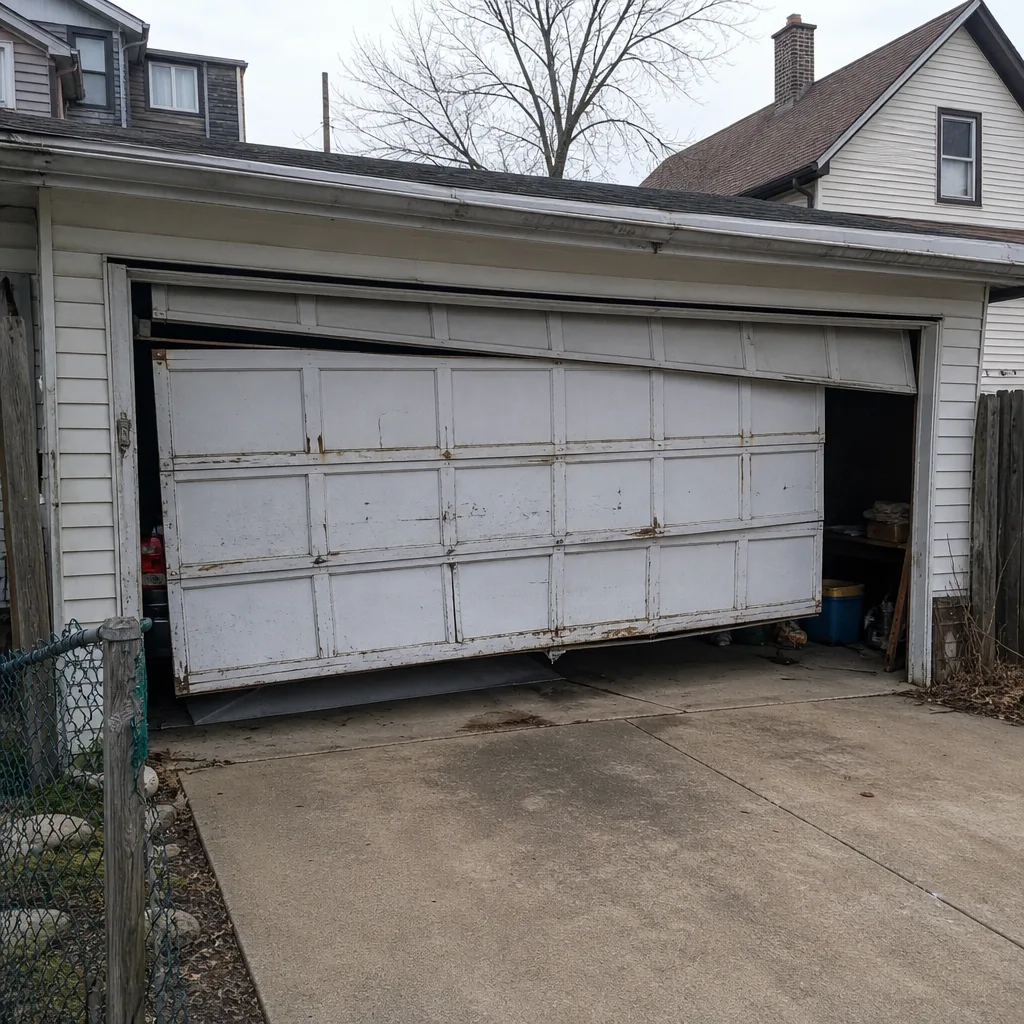 Before
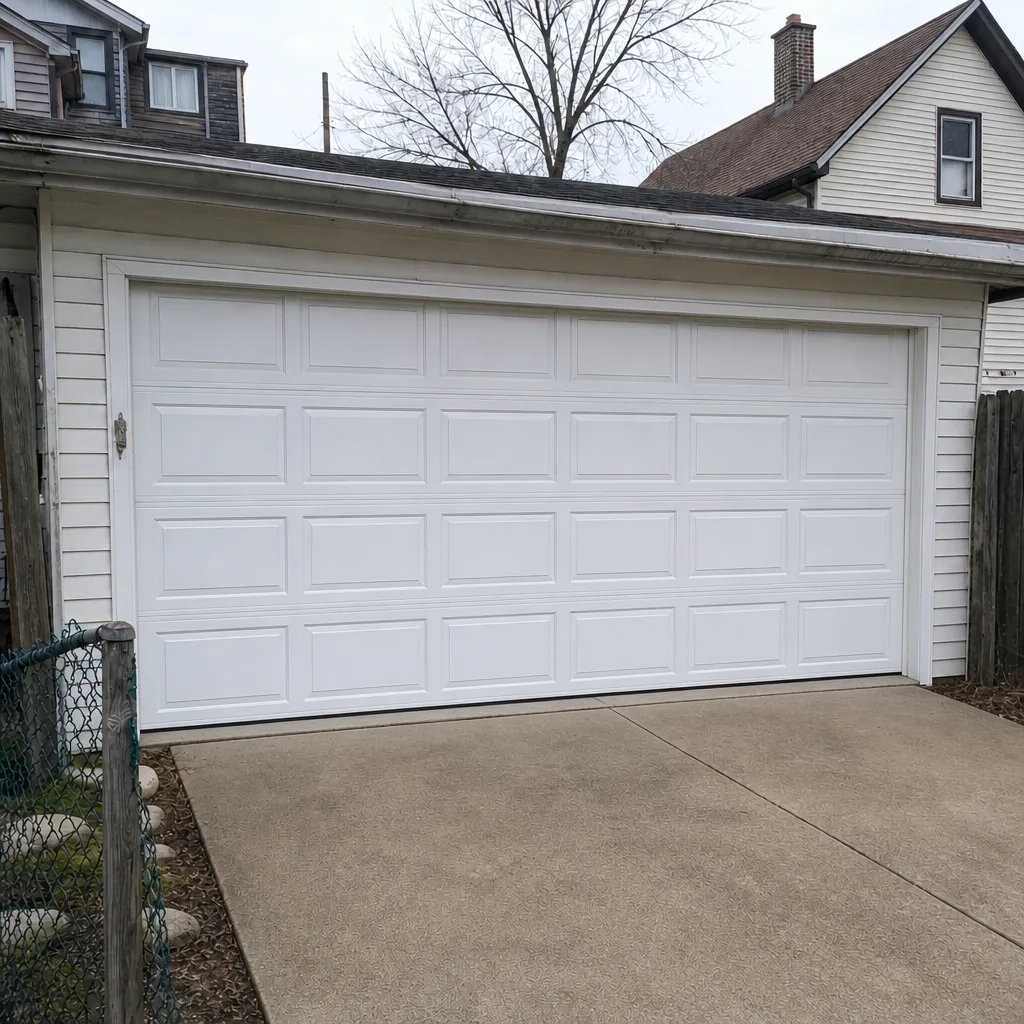 After
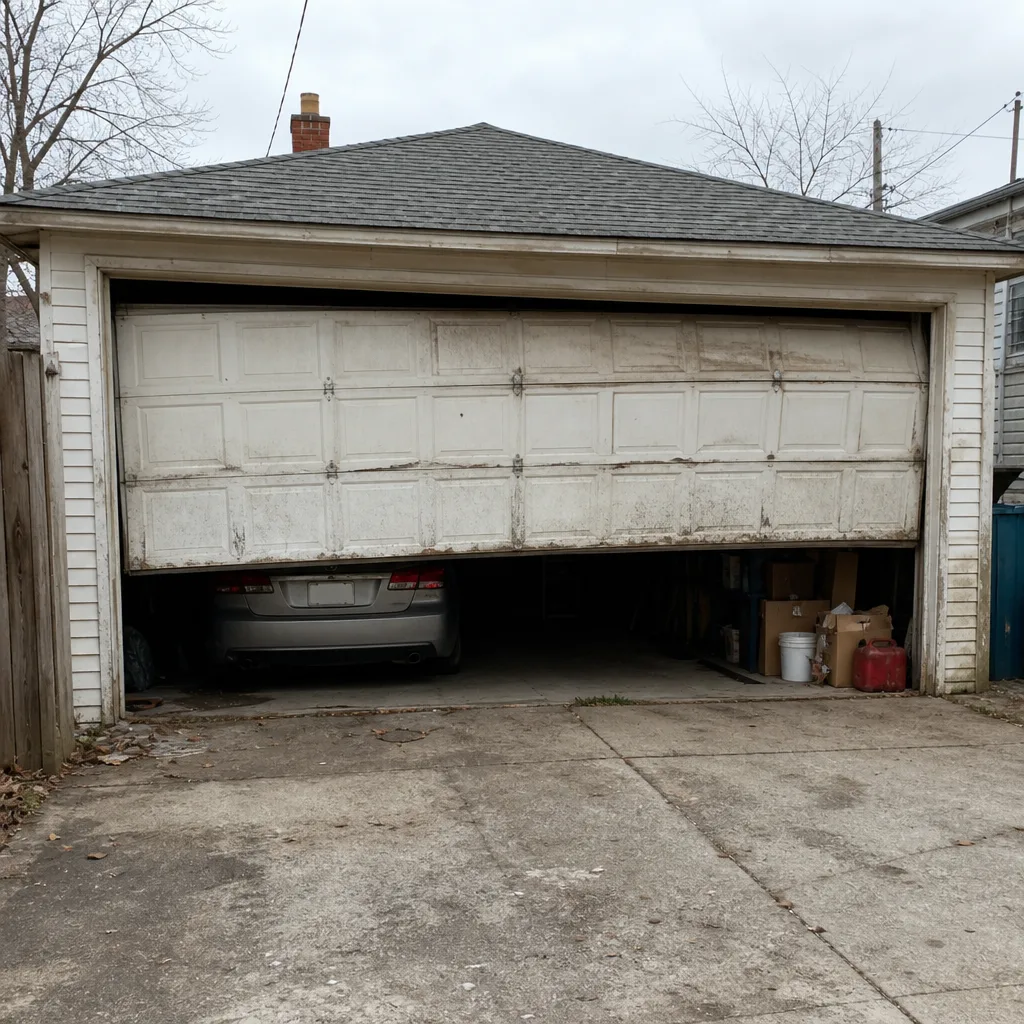 Before
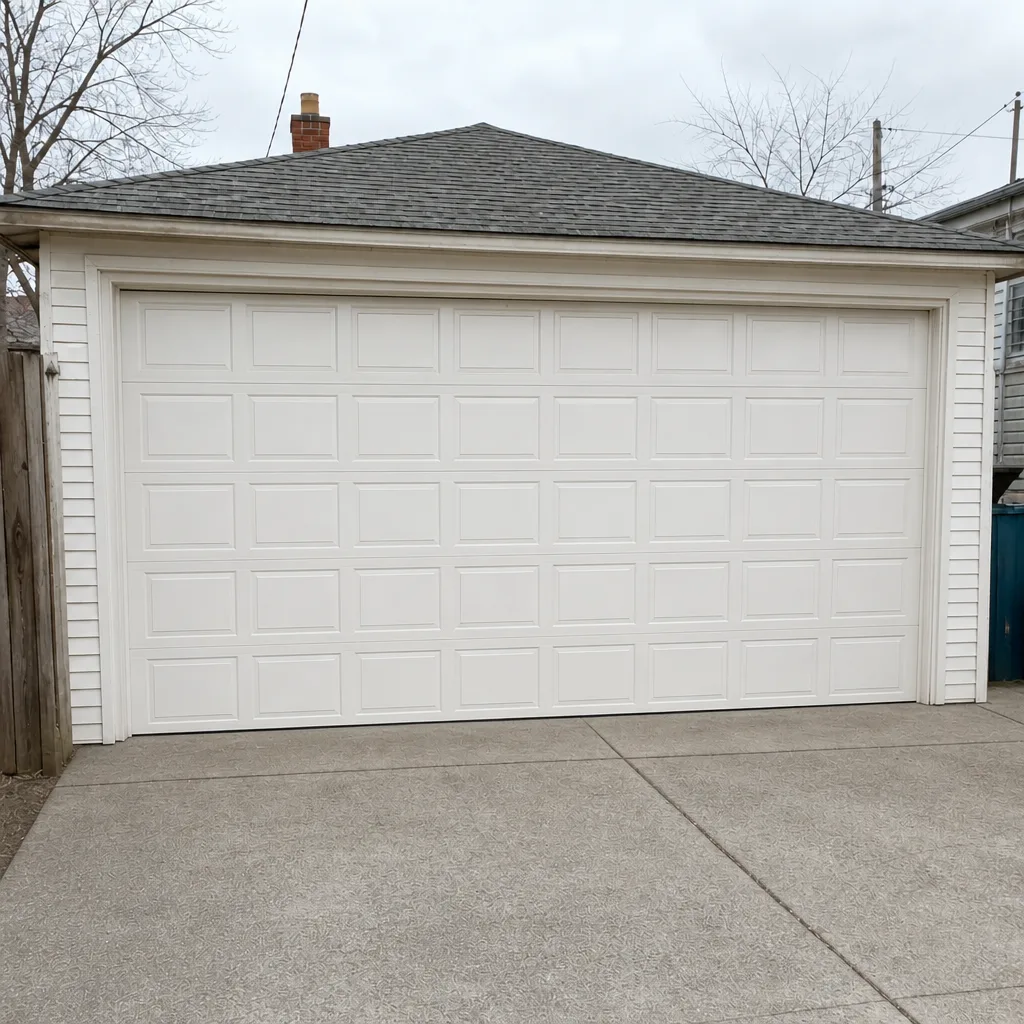 After
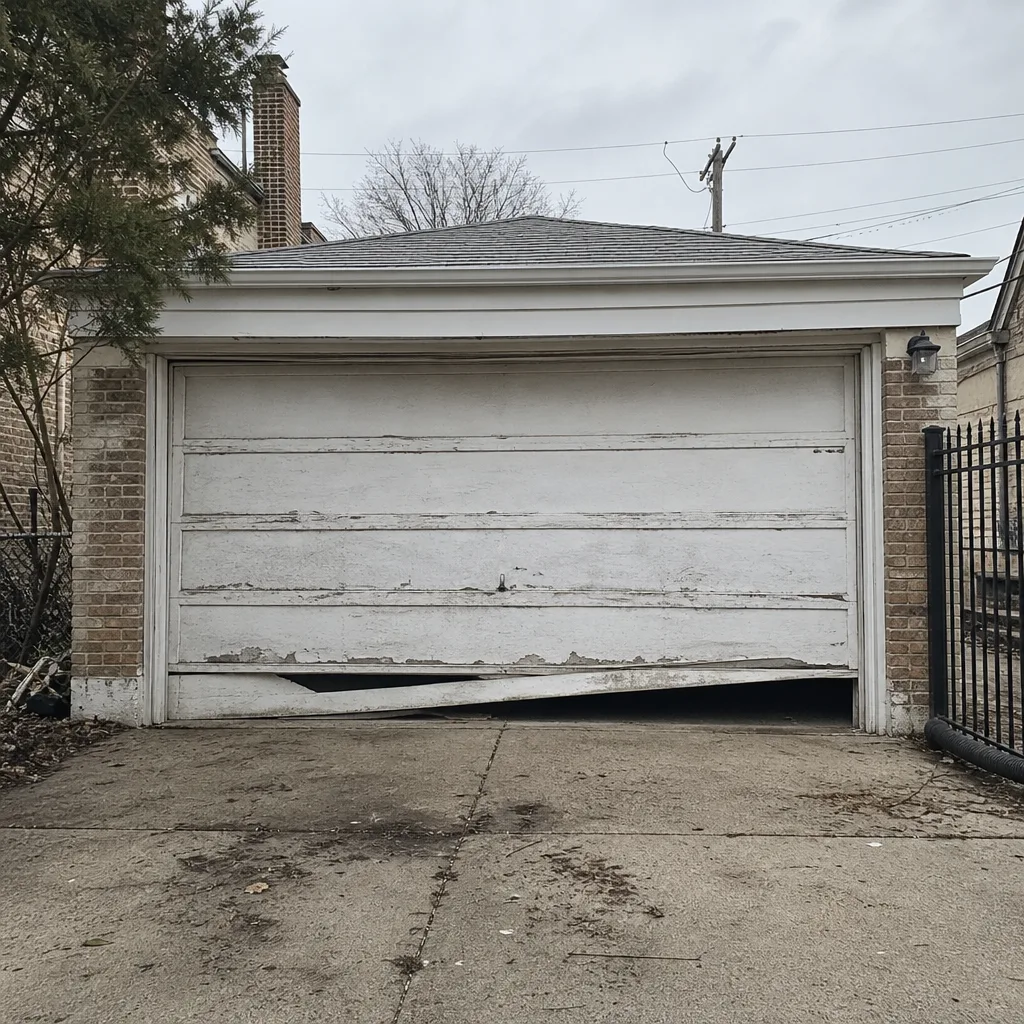 Before
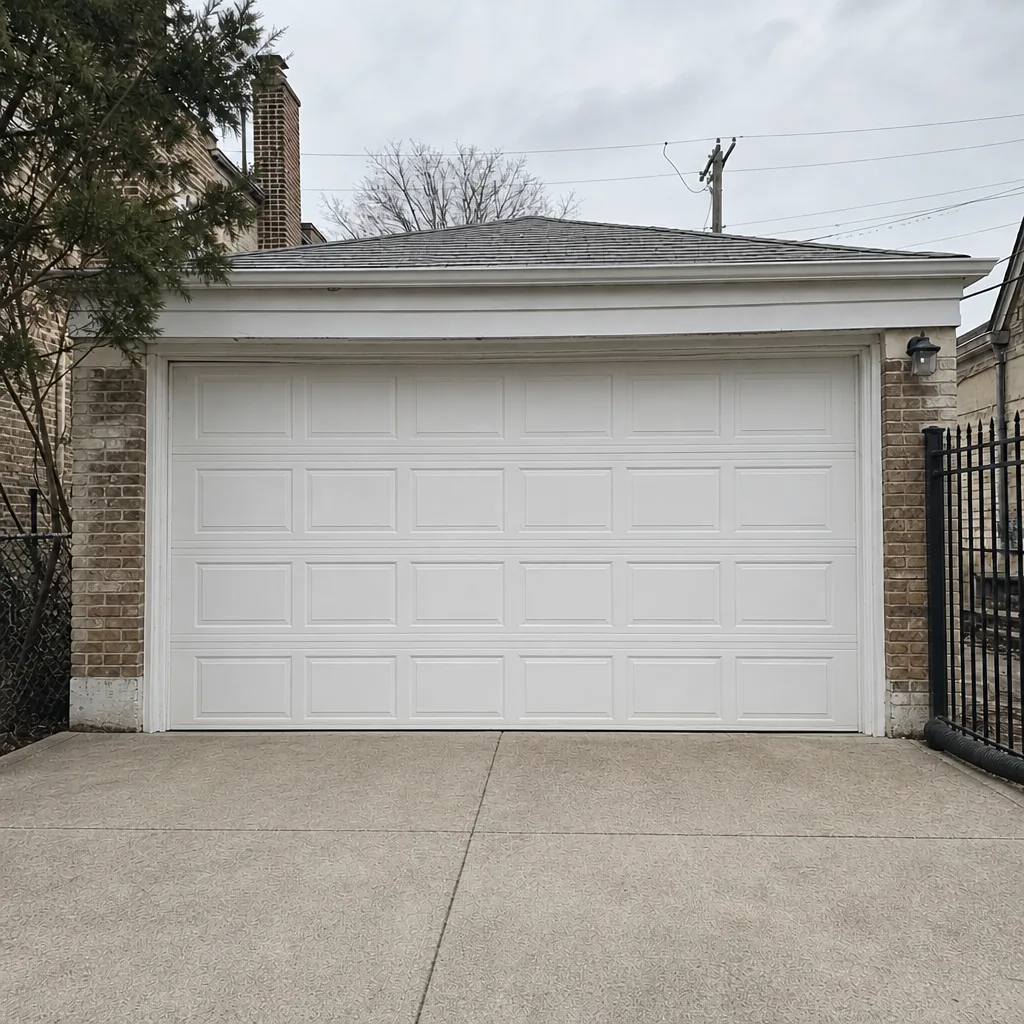 After
Common Mistakes to Avoid
- Assuming “replacement” means no permit, then changing the size. A size change is a structural change, and it needs a permit even though it feels like a replacement. Sort out the permit before ordering the door, or you’ll own a door that doesn’t fit the permitted opening.
- Running a new opener circuit without an electrician. A new circuit in a detached Logan Square garage is electrical work, and it needs a permit and a licensed electrician. A garage door technician can connect to an existing, permitted circuit, but not run a new one.
- Not checking the permit history before buying. A three-minute search on the city’s portal can save you a five-figure remediation after closing. Do it before contingencies come off.
- Treating an open permit as a minor item. An open permit from years ago can block a sale, and legalizing the work after the fact costs more than pulling the permit up front.
- Letting a handyman touch the springs to save time. Torsion springs and cables are under high tension, and a mistake can be serious. Springs are a trained technician’s job, not a generalist’s.
- Choosing a door before checking the framing. A heavier door on an old, tired header is the start of a permit problem. Have the opening looked at before you pick the door.
- Ignoring the alley and setback. A wider opening can change how a car approaches and parks, and Chicago’s zoning review may consider it. Factor that into the plan early.
If you’d rather have a technician look at the door and the opening before you call the city, our Garage Door Repair Logan Square team offers free estimates and can tell you what the current setup needs.
When to Call a Professional
Call a trained technician when the door won’t open or close, when a spring has snapped, when the door is off its track, when the opener runs but the door doesn’t move, or when the door is visibly out of square in the opening. Call before any structural change, so the door you order matches the opening and the permit. And call before you buy or sell a Logan Square property with a modified garage, so you know what you’re dealing with. Garage Door Repair Logan Square offers free estimates in Logan Square; call (866) 650-1667. We answer 24/7. Fast dispatch from 7am to 7pm, Sunday through Friday. Same-day service is available for repairs, and the price is quoted and agreed before any work starts.
Frequently Asked Questions
In most cases, no, as long as the replacement door is the same size, in the same opening, with the same structural framing. A change in door dimensions, a new header, or new electrical work for an opener does require a permit. Call the City of Chicago Department of Buildings with your specific address and scope to confirm before ordering a door, and call (866) 650-1667 if you want a technician’s read on the current setup.
It depends on the circuit. If the garage already has a dedicated circuit and outlet, installing a new LiftMaster, Chamberlain, Genie, or Craftsman opener is usually a swap and no electrical permit is needed. If the garage has no dedicated circuit, or the wiring needs to be modified or a new outlet added, an electrical permit and a licensed electrician are typically required. Call (866) 650-1667 for a free estimate on the opener side.
Use the City of Chicago’s online permit portal and search by property address. Look for permits related to the garage, door, opening, or electrical, and check whether each was inspected and closed out. Cross-check the door dimensions on the permit against the current opening. If something doesn’t match, call the Department of Buildings directly, and call (866) 650-1667 if you want a technician to look at the door itself.
The violation follows the property, not the person who did the work. When the property is inspected or sold, the current owner is typically expected to legalize the work by pulling permits and getting it inspected, or to remove it and restore the original condition. This is why checking the permit history before buying or listing a Logan Square home matters. Call (866) 650-1667 for a free estimate on the door side of the project.
Chicago’s Department of Buildings handles garage work inside the city limits, including Logan Square. Cook County handles unincorporated areas outside the city. The inspection usually comes in two phases, a rough inspection before the work is closed up and a final after it’s complete. Call (866) 650-1667 if you want help understanding what your door project needs before the inspection.
In most cases, no. A garage door technician can install the opener, mount the rail and hardware, and connect to an existing permitted circuit, but a new circuit, panel work, or new outlet typically requires a licensed electrician and an electrical permit. This split is common in Logan Square, where many detached garages have older wiring. Call (866) 650-1667 for a free estimate on the mechanical and opener work.
The Bottom Line
Chicago’s garage door permit rules aren’t complicated once you separate replacement from alteration. Same size, same opening, no structural or electrical change: usually no building permit. Any change to the size, the header, the framing, or the electrical circuit: permit required, inspection required, and a licensed electrician on the job when the circuit changes. Beyond the door itself, the permit history on a Logan Square property follows it through a sale, so check the city’s portal before you buy or list, and pull the permit up front if you’re the one doing the work. Springs and cables are dangerous to handle yourself; a trained technician should always be the one in the door hardware. If you want a professional read on your door and opening before you talk to the city, call (866) 650-1667 for a free estimate. Our technicians have up to 13 years of experience, and the price is quoted and agreed before any work starts. We answer 24/7. Fast dispatch from 7am to 7pm, Sunday through Friday.
Written by the team at Garage Door Repair Logan Square.