
Last updated November 21, 2026
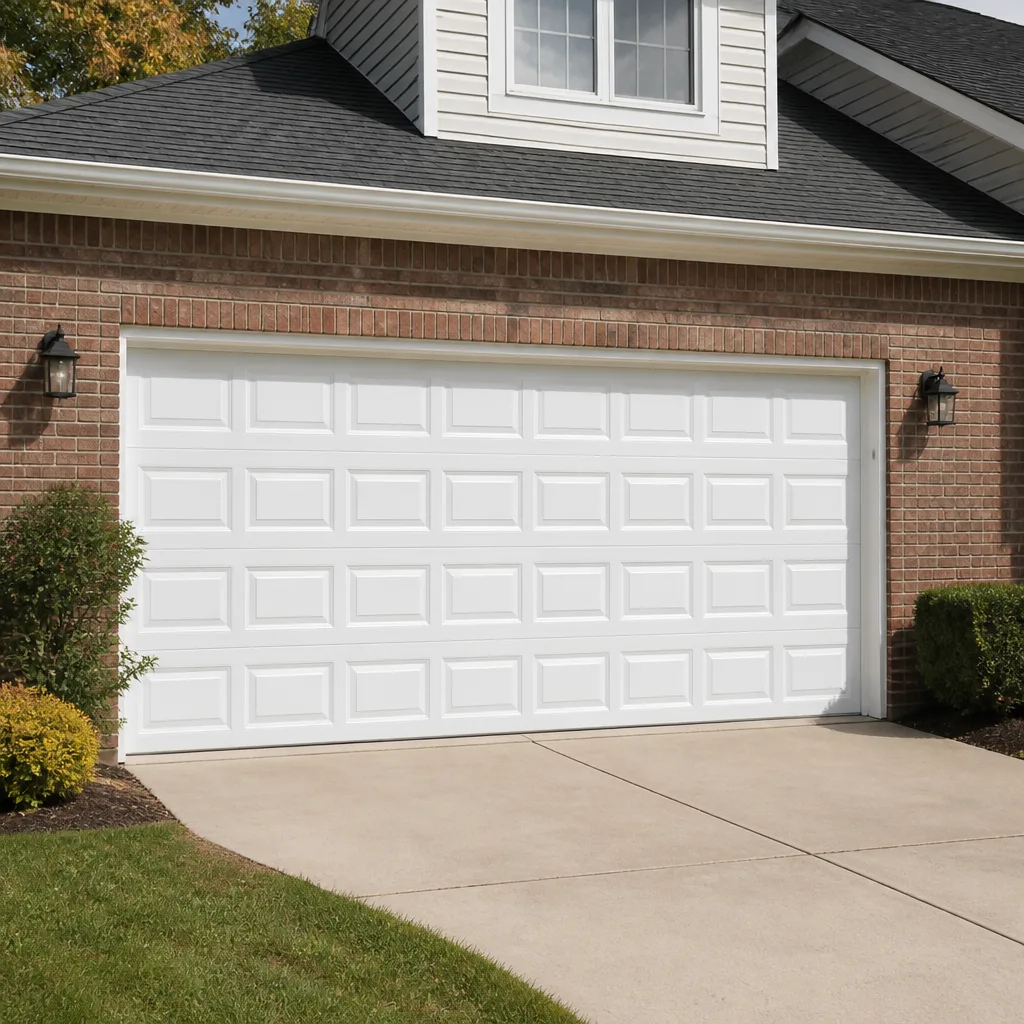 Raised-panel steel
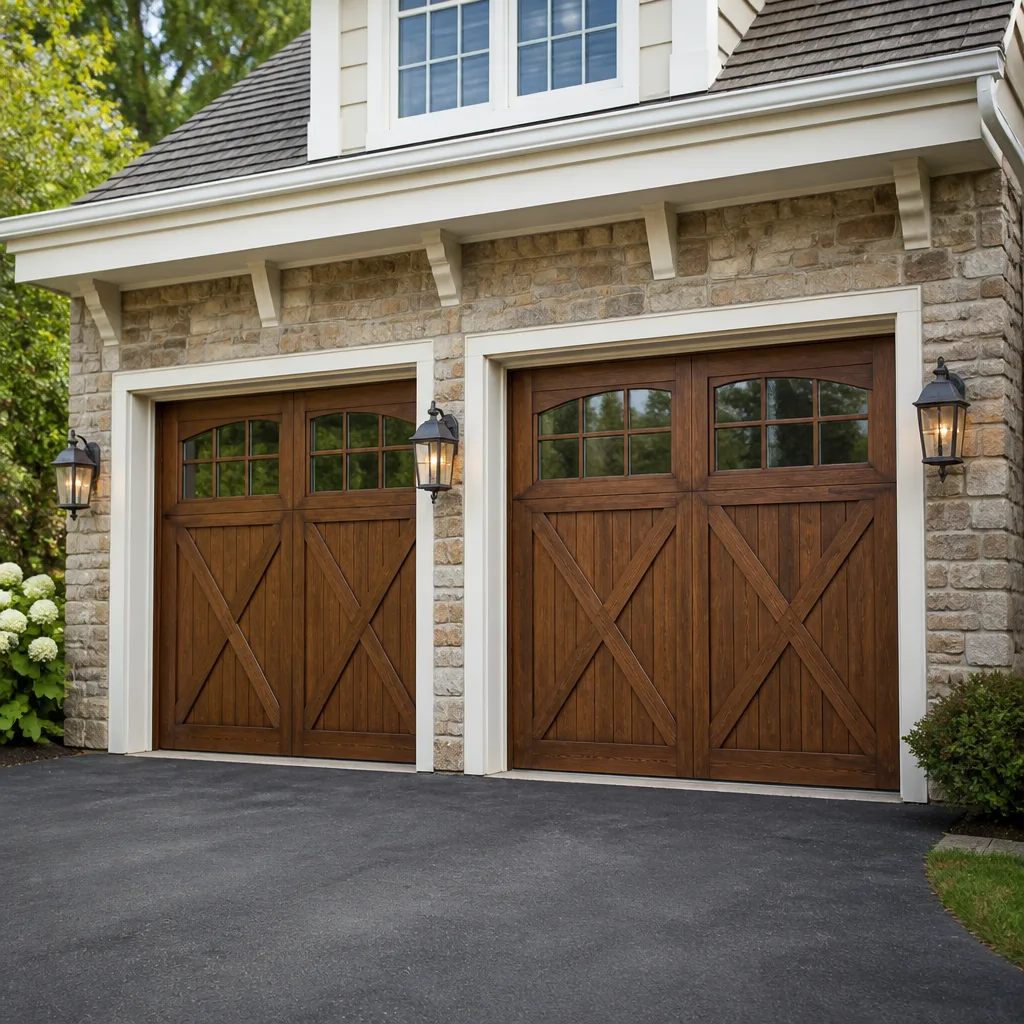 Carriage house
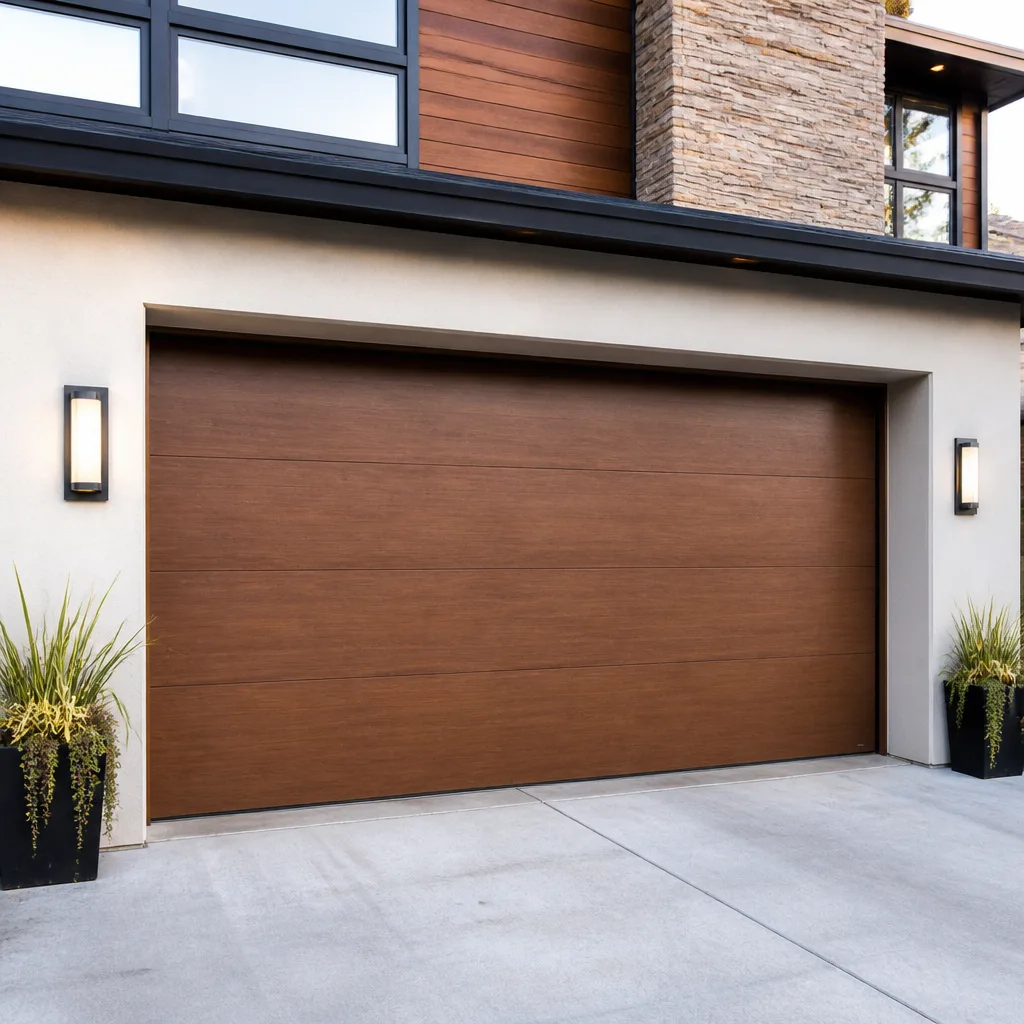 Modern flush
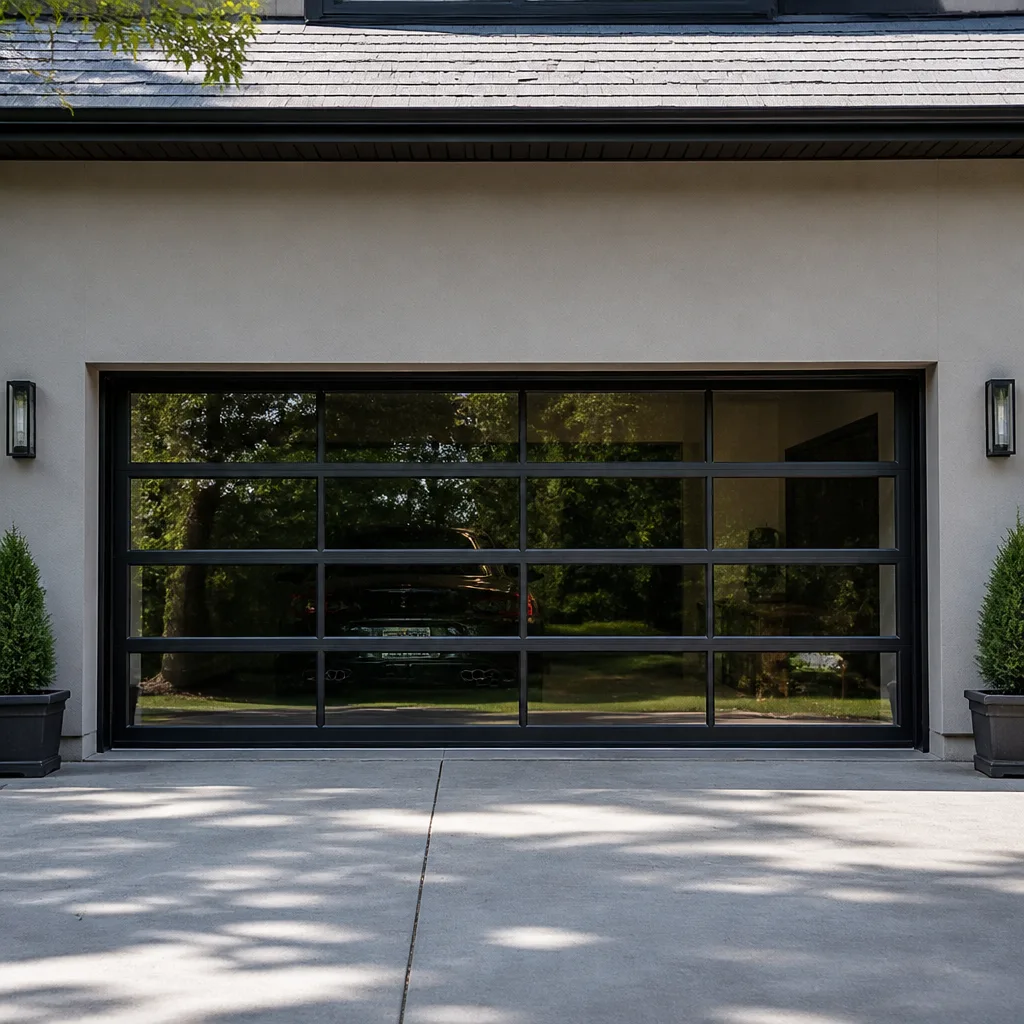 Full-view glass
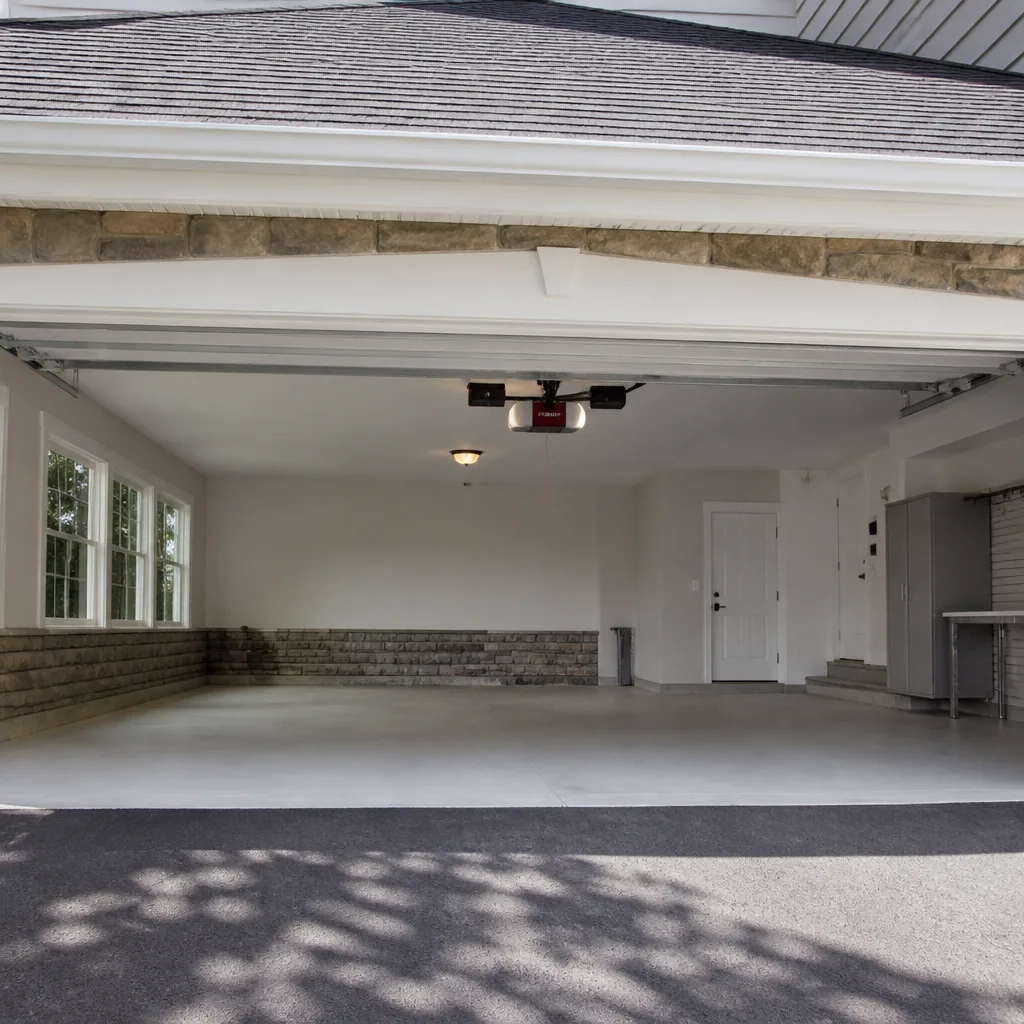 LiftMaster openers
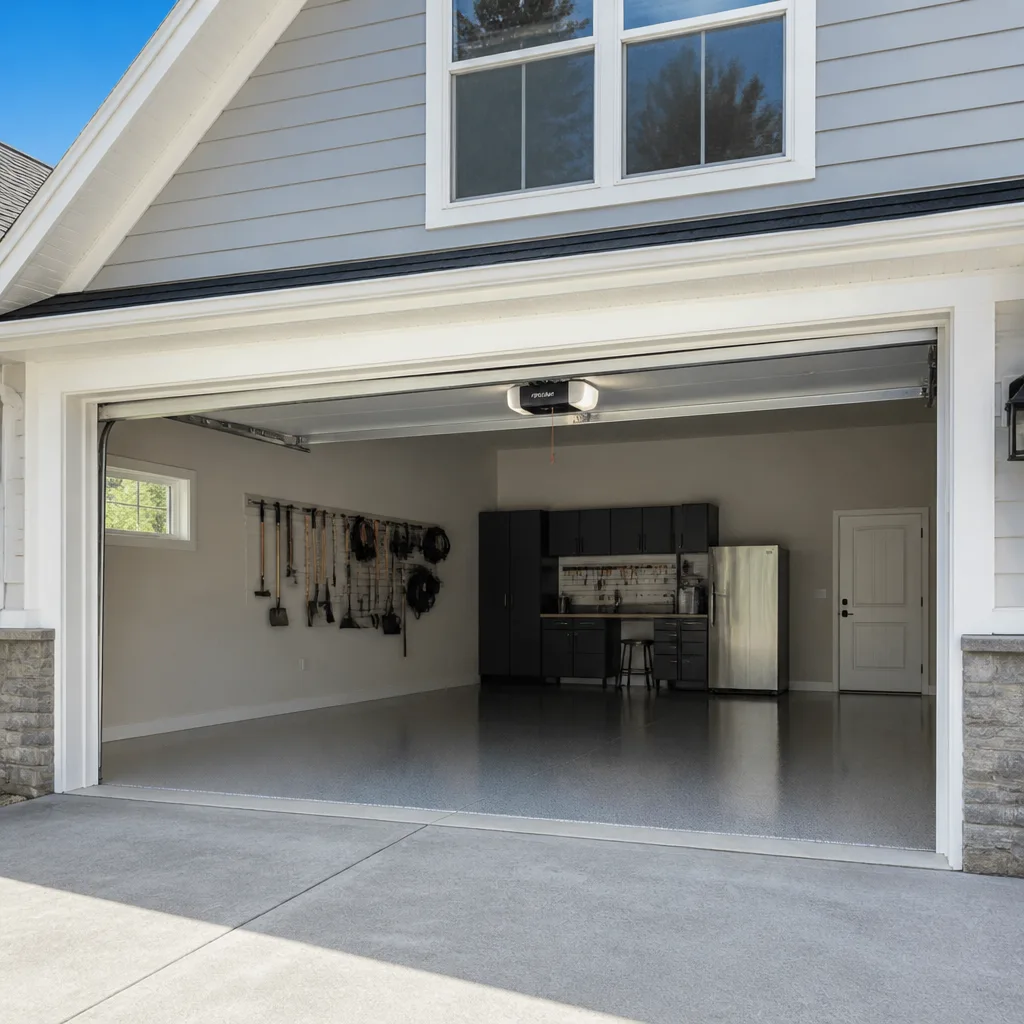 Chamberlain openers
Full 25-point door and opener safety check with every visit - springs, cables, rollers, tracks, and your LiftMaster or Chamberlain opener included
You get a price before we start. It does not change when the pro arrives.
Get your free estimateSeasonal Garage Door Care for Logan Square: Year-Round Homeowner’s Guide
Torsion springs don’t fail because they’re old. They fail because they were cycled at -10°F when the steel was brittle, and the failure was set up by the freeze three weeks before the snap. That’s the part most maintenance advice misses: in Logan Square, the season that breaks your door isn’t always the season it stops working. This guide treats each part of the Chicago year as a distinct mechanical threat, so you know which components to watch in deep cold, which ones suffer in July humidity, and when the freeze-thaw cycle quietly knocks your tracks out of line. What follows is a season-by-season protocol built for the alley garages, vintage frames, and climate swings we actually see around Logan Square.
Quick Answer
Year-round garage door care in Logan Square means doing the important work before each climate extreme arrives: a pre-freeze check of the bottom seal, low-temperature lubrication, and lock weatherproofing in November; watching for brittle panels, stiff rollers, and track shifts through deep cold; re-checking alignment and frost heave after the thaw; and addressing humidity-driven joint separation and seal compression in summer. Most of that is visual inspection and simple lubrication. Spring hardware and opener motors get left to a trained technician.
Styles & brands we work with
- Raised-panel steel
- Carriage house
- Modern flush
- Full-view glass
- LiftMaster openers
- Chamberlain openers
Table of Contents
- Why Logan Square’s Climate Breaks Doors in Waves
- The November Pre-Freeze Protocol
- What Extreme Cold Does to Panels, Rollers, and Tracks
- Spring Thaw Problems for Alley Garages
- Summer Humidity and What It Does to Wood Composite and Steel
- Fall Tasks Timed to Chicago’s Real First Freeze
- A Quick Seasonal Reference Table
- Common Mistakes to Avoid
- When to Call a Professional
- Frequently Asked Questions
Why Logan Square’s Climate Breaks Doors in Waves
Logan Square doesn’t get a gentle seasonal transition. It gets a lurch from a wind chill near -15°F to summer air holding 95°F with heavy humidity, and back again. Every material on a garage door reacts to that swing differently because steel, wood composite, vinyl seals, and the nylon or steel rollers all expand, contract, and stiffen at different rates. When they’re forced to move together through a fast 100-degree swing, something has to give. Usually it’s the seal, a panel joint, or a track bolt.
The vulnerable parts change with the calendar. In January, the danger is brittleness and contraction. Metal fasteners loosen when a track shrinks, and a rubber seal that felt supple in October turns hard as a brick. In July, the danger flips toward swelling – wood composite absorbs moisture, panel joints spread, and a bottom seal pressed against hot asphalt can flatten and stay flat. The mistake is treating all twelve months the same. A door that’s perfectly tuned for spring can still be knocked out of balance by the cold, and a spring that’s holding fine in August may be the thing that snaps on the first bitter morning.
Around Logan Square, the housing stock adds its own wrinkle. Plenty of garages sit on concrete pads poured decades ago, off alleys where drainage moves slowly and the freeze hits hard. A door on that kind of frame deals with more than just the air temperature. It deals with a foundation that lifts and settles a little each year. That’s why we treat the ground under the garage as part of the door system, not a separate problem. We work on the brand you already own – Clopay, Amarr, Wayne Dalton, LiftMaster, and the rest – because the failure patterns are often tied to how that specific hardware was built, not to a generic checklist.
The good news is most of this damage gives you warning. A seal that’s starting to crack, a roller that’s grinding, a panel joint that’s beginning to show daylight – each one is a sign you can catch before it turns into a snapped cable or a door stuck in the open position on the coldest morning of the year. The rest of this guide is about reading those signs in the right season.
The November Pre-Freeze Protocol
November is the single most important month for garage door care in Logan Square, because once the deep freeze sets in, some repairs get harder to do well and small problems turn permanent. The goal is to get the door through winter without a surprise, and three tasks matter most: the bottom seal, the lubrication, and the lock.
The bottom seal is the first thing to check. That rubber or vinyl flap along the floor takes the most abuse of any part on the door, and a cold-hardened seal that’s already cracked will let in drafts, snowmelt, and mice all winter. Run your hand along it on a mild day. If it’s stiff, cracked, torn at the corners, or no longer making contact with the concrete, replace it before the freeze. A seal that’s just starting to harden but still intact can often be revived with a rubber-safe treatment, but once it’s torn, a cold snap finishes the job.
Use low-temperature grease, not standard lithium. This is where a lot of well-meaning maintenance goes wrong. Standard white lithium grease thickens and can gum up when temperatures drop, which makes rollers and hinges drag and puts extra strain on the opener. A low-temperature garage door lubricant stays fluid through the cold. Apply it to the rollers, hinges, and the torsion spring coils – sparingly, because too much attracts dust and grit. Track surfaces stay dry; those get wiped clean, not greased.
Weatherproof the lock cylinder. If your door has a manual lock, the cylinder is a moisture trap. Water gets in, freezes, and either jams the lock or cracks the housing. A dry graphite lubricant in the keyway before the first hard freeze keeps it working. For doors without a manual lock, check that the opener’s manual release cord is reachable and not frozen to the frame.
A quick November checklist:
- Inspect the bottom seal for cracks, tears, and gaps at the floor.
- Lubricate rollers, hinges, and springs with a low-temperature grease.
- Wipe tracks clean and check that they’re free of debris and ice buildup.
- Test the manual release and weatherproof the lock cylinder with graphite.
- Run the door up and down and listen for grinding, popping, or a change in speed.
If anything in that run-through sounds wrong – a pop, a shudder, a spot where the door hesitates – that’s the moment to schedule garage door repair, not after the first hard freeze. Work is easier and safer before the cold hardens every component.
What Extreme Cold Does to Panels, Rollers, and Tracks
Deep cold attacks a garage door in a predictable order. The materials that fail first are the ones with the least flexibility and the most exposure: the bottom seal, then the rollers, then the panel joints, and finally the track and its fasteners.
Panels. Steel panels contract in the cold, and the seams where sections meet can open slightly, letting in drafts and stressing the hinges that bridge the gap. On wood-composite doors, cold combined with any trapped moisture can cause the outer skin to pull away from the core near the bottom, where snow collects. The warning signs are daylight showing at a joint, a hinge that’s started to pull loose, or a panel that looks bowed when the door is down.
Rollers. Nylon rollers get stiff in extreme cold and steel rollers get noisy. A roller that drags instead of rolling smoothly forces the opener to work harder and can wear a flat spot into the roller, which then thumps every cycle. If you hear a rhythmic thump or a squeal that wasn’t there in October, the rollers are the place to look first.
Tracks. Metal tracks contract too, and the bolts holding them to the frame can loosen as everything shrinks. A track that’s off by even a fraction of an inch makes the door bind on one side, and a binding door is a door that’s heading for a spring or cable failure. Watch for the door drifting to one side as it rises, a gap between the roller and the track, or a visible kink in the track near a bolt.
Cables and springs are the parts you should not put your hands on. Torsion springs are under extreme tension, and in cold weather the steel is more brittle and more likely to snap violently. Extension springs and the cables that run alongside them carry the same kind of stored energy. If you see a gap in a spring coil, a frayed cable, or a door that won’t stay up on its own, stop operating it and call a trained technician. Our technicians have up to 13 years of experience with exactly this hardware, and garage door opener repair often follows a spring failure because the opener took the strain when the door dropped.
Spring Thaw Problems for Alley Garages
When the ground thaws in Logan Square, the damage isn’t always where you’d expect. The freeze-thaw cycle lifts and settles the concrete pad under an alley garage a little each year, and that movement pushes on the door frame from below. A frame that shifts even slightly throws the tracks out of alignment, and a misaligned track is behind a surprising share of “the door suddenly won’t close” calls every spring.
Here’s how to check for it after a hard winter:
- Look at the concrete where the frame meets the floor for fresh cracks, heaving, or a gap under the sill.
- Open the door halfway and check that the gap between the door and each track is even on both sides.
- Look down each track from the top; a straight edge of the eye should show a smooth line, not a kink.
- Watch the door travel up and down for any sideways drift or binding.
- Check that the bolts holding the tracks to the frame are snug – not overtightened, just firm.
If the pad has heaved enough to shift the frame, a simple track adjustment may not hold. The fix may involve re-shimming the track mounts or, in worse cases, correcting the frame itself before the door will run true again. This is where a door that worked all winter suddenly starts rubbing, popping, or refusing to close the last few inches. A door left in that state wears its rollers and stresses its springs every cycle.
Spring thaw is also when we see the results of winter neglect: seals that tore, hinges that seized, and openers that burned out from pushing a binding door all season. If your door has been stiff or noisy since the cold set in, the thaw is the right time to get it looked at. We can often tell you what it needs from a description of the symptom and the door’s brand – LiftMaster acting up, a Clopay panel damaged, a Wayne Dalton track knocked out of line – and the written estimate sets the price before any work starts.
Summer Humidity and What It Does to Wood Composite and Steel
Summer in Logan Square brings the opposite problem: heat and humidity that make materials swell instead of shrink. For wood-composite doors, this is the season when panel joint separation shows up. The composite absorbs moisture from the air, the outer skin expands, and the joints between panels begin to open. Some of that is cosmetic – a hairline gap that closes again when the air dries. But a joint that stays open, shows daylight, or has started to let water in is structural, and it needs attention before the next winter freeze drives moisture deeper.
On steel doors, summer heat can cause paint to bubble or flake, especially along the bottom edge where the panel meets the seal. Bubbling paint often means moisture is trapped underneath, which leads to rust if it’s ignored. That’s the cosmetic-versus-structural line: a scuff or a faded panel is cosmetic. Bubbling, peeling, or rust at a seam is a sign the door’s finish has failed and the steel underneath is exposed.
The bottom seal takes a beating in summer too. A seal pressed against hot asphalt or concrete can compress and stay compressed, leaving a gap that drafts and water find in winter. If your seal looks flattened at the floor, or you can see light under the door on a bright day, it’s time to think about replacement before the cold returns.
Summer is also the season when opener problems show up most, because heat stresses the electronics and WiFi modules in modern openers. A LiftMaster or Chamberlain unit that drops its connection in July or a Genie that runs the door but ignores the remote is often a heat-and-humidity issue rather than a dead motor. That’s the kind of thing we check on a service call – mechanical door and electronic opener together, so you’re not chasing two separate problems. If you’re planning a bigger change, garage door installation in the cooler months is often easier on the schedule and the materials.
Fall Tasks Timed to Chicago’s Real First Freeze
A generic October maintenance calendar is close to useless here, because Chicago’s first hard freeze doesn’t land on a fixed date. The right timing is to have your fall work done before the first night that drops well below freezing, and to watch the forecast rather than the calendar. That window usually falls somewhere in late October into early November, but a cold snap can pull it earlier. The point is to be finished before the ground and the hardware stiffen.
Fall is when you close out the summer issues and prep for winter in one pass:
- Clear gutters and the area around the garage so meltwater has somewhere to go instead of pooling at the door.
- Inspect and clean the bottom seal, and replace it if summer left it flattened or cracked.
- Test the door’s balance by disconnecting the opener and lifting it halfway – it should hold without help.
- Lubricate with the low-temperature grease you’ll rely on all winter.
- Check the opener’s safety reverse and photo-eye alignment before the cold makes adjustments harder.
- Look at the concrete pad and frame for any new cracks or settling from the summer.
Balance is the item most homeowners skip, and it’s the one that tells you the most. A door that won’t hold halfway when disconnected is telling you the springs are losing tension. That’s a job for a technician, not a weekend project, but knowing it in October means you’re not discovering it on a January morning when the door won’t lift. Fall is also the right time to deal with a door that’s been noisy all year, because a grinding roller or a loose hinge is a small repair now and a bigger one once the cold locks everything in place.
A Quick Seasonal Reference Table
Here’s the short version, season by season, for a Logan Square garage:
- Late fall (before first freeze): Replace a worn bottom seal, switch to low-temperature grease, weatherproof the lock cylinder, test balance and safety reverse.
- Deep winter: Watch for panel joint gaps, stiff or noisy rollers, and track drift. Do not touch springs or cables – call a technician for any spring or cable symptom.
- Spring thaw: Check the concrete pad for frost heave, inspect tracks for misalignment, and address any binding or sideways drift.
- Summer: Watch wood-composite panel joints for separation, steel panels for bubbling paint or rust, and the bottom seal for compression. Check opener electronics if remotes or WiFi act up.
Brand matters less than condition, but it helps to know what you own. Whether it’s a Clopay or Amarr steel door or a Craftsman opener, the seasonal failure patterns are similar, and knowing the make and model means a technician can tell you what a given symptom usually means before anyone arrives.
Common Mistakes to Avoid
- Using standard lithium grease in winter. It thickens in the cold, makes rollers drag, and strains the opener. Use a low-temperature lubricant instead and apply it sparingly.
- Ignoring the bottom seal until spring. A seal that’s cracked in November lets in snowmelt and cold air all winter and is more likely to tear. Replace it before the freeze, not after.
- Adjusting tracks by eye after a thaw. A track that’s off by a fraction of an inch binds the door and wears the rollers. If the pad has heaved, the frame may need correcting, not just a track nudge.
- Treating every panel gap as cosmetic. A hairline joint that closes in dry weather is fine. A joint that stays open or shows daylight is structural and needs a closer look.
- Testing or adjusting torsion springs yourself. Springs are under extreme tension and are more brittle in cold weather. A snapped spring can cause serious injury, so leave spring work to a trained technician.
- Running a binding door all season. A door that drags or drifts wears its springs and can burn out the opener. If it’s binding, get it looked at before the next extreme.
- Waiting for the first hard freeze to schedule work. Repairs are easier and safer before the cold hardens every component, and Logan Square’s first freeze doesn’t wait for a convenient date.
When to Call a Professional
Some seasonal care is DIY: wiping tracks, applying lubricant, checking the seal, testing balance. But certain symptoms mean it’s time to call. A door that won’t stay up when disconnected, a spring with a visible gap or a snapped coil, a frayed cable, a door that binds or drifts to one side, an opener that runs but the door won’t move, or a panel joint that’s opened up after a thaw – those are jobs for a trained technician. Springs and cables especially carry stored energy that can hurt you, and cold weather makes them more likely to fail violently. Garage Door Repair Logan Square offers free estimates in Logan Square, and our technicians have up to 13 years of experience with the high-tension hardware that generalists often decline. Call (866) 650-1667 for a free estimate. We answer 24/7, with fast dispatch from 7am to 7pm, Sunday through Friday.
Frequently Asked Questions
The single most important task is the pre-freeze protocol in late fall: check and replace the bottom seal, switch to low-temperature grease, and weatherproof the lock. Getting those done before the first hard freeze prevents the most common winter failures. Call (866) 650-1667 for an exact quote on a seal replacement – estimates are free.
Yes. Cold makes the steel in a torsion spring more brittle, and a spring that’s already near the end of its cycle life is more likely to snap on a bitter morning. That’s why we treat a spring that’s lost tension in the fall as a warning. If you hear a loud bang from the garage or the door won’t lift, stop using it and call (866) 650-1667.
Frost heave is usually the cause. The freeze-thaw cycle lifts and settles the concrete pad under an alley garage, which shifts the frame and throws the tracks out of alignment. A door that drifts to one side or rubs after a hard winter needs a track check, and sometimes a frame correction. Call (866) 650-1667 for a free estimate.
Sometimes. A hairline gap in a wood-composite door that closes when the air dries is usually cosmetic. A joint that stays open, shows daylight, or lets water in is structural and should be looked at before winter drives moisture deeper. We can tell you which it is on a free estimate – call (866) 650-1667.
Yes. Wood composite is more sensitive to summer humidity and panel joint separation, while steel is more prone to paint bubbling and rust at seams. Both benefit from the same pre-freeze seal and lubrication routine. Knowing your door’s make – Clopay, Amarr, Wayne Dalton, and others all have their own construction – helps a technician diagnose the symptom.
We answer 24/7. A call outside dispatch hours is booked into the next opening, Sunday through Friday, 7am to 7pm. For a free estimate on seasonal care or a repair, call (866) 650-1667.
The Bottom Line
Garage door care in Logan Square isn’t a single checklist you run in spring and forget. It’s a year split into distinct threats: the pre-freeze seal and lubrication work in late fall, the brittleness and misalignment of deep winter, the frost heave that shifts alley garage frames at thaw, and the humidity that opens panel joints and flattens seals in summer. Handle the DIY items – seals, lubricant, visual checks – and leave springs, cables, and opener electronics to a trained technician. Do the fall work before the first freeze rather than after. That’s what keeps a door running true through the full swing from -15°F to 95°F. When something’s beyond a visual check, we’re one call away.
Ready to get ahead of the next season? Call (866) 650-1667 for a free estimate. We answer 24/7, with fast dispatch from 7am to 7pm, Sunday through Friday. Whether it’s a seal, a set of rollers, a spring, or a full new door, one call covers it – Garage Door Repair Logan Square.
Written by the team at Garage Door Repair Logan Square.
See the difference
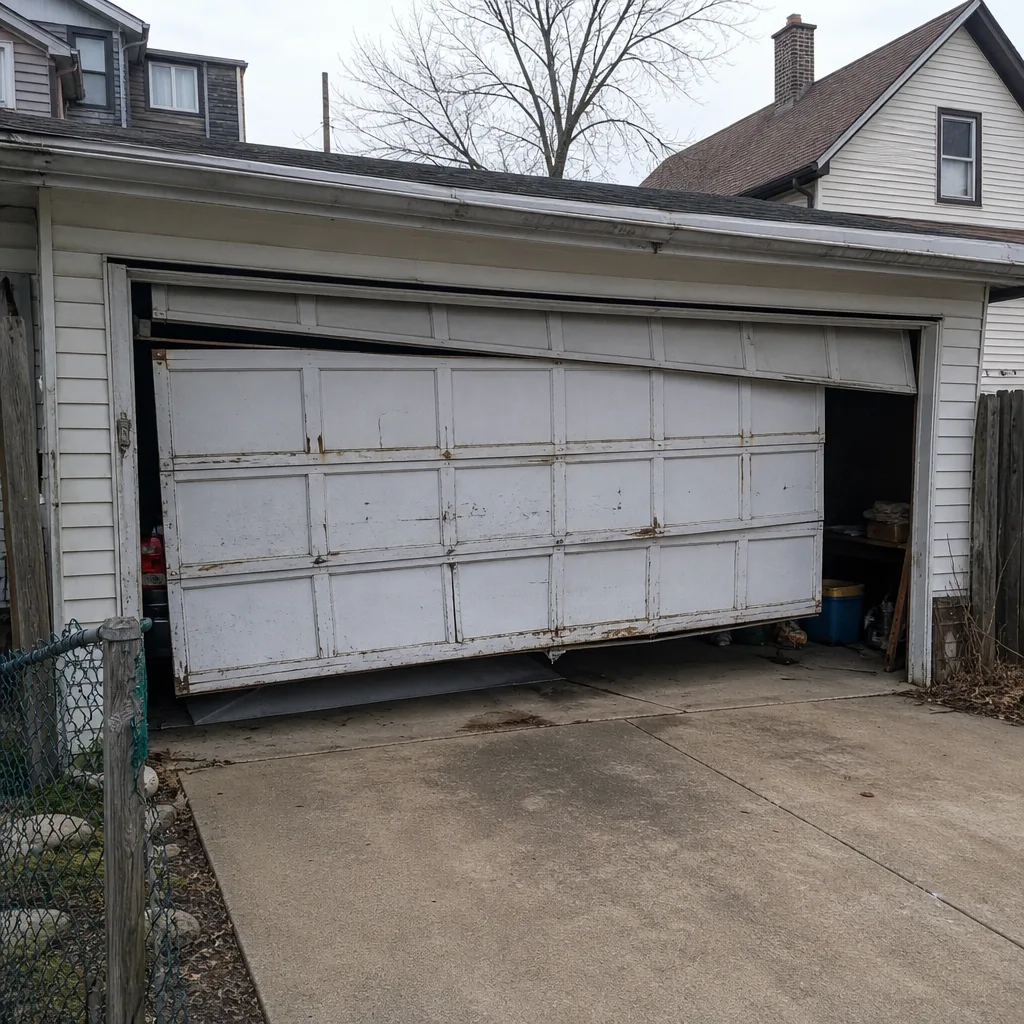 Before
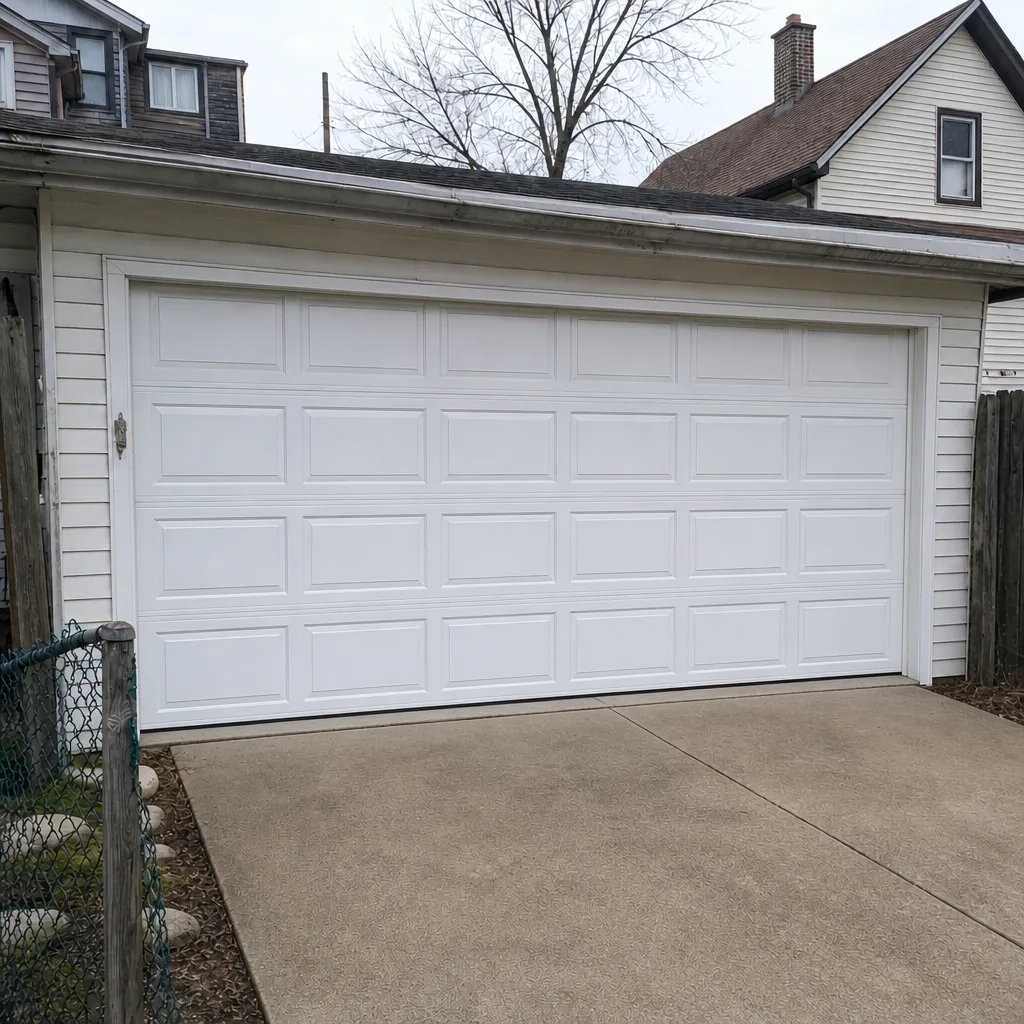 After
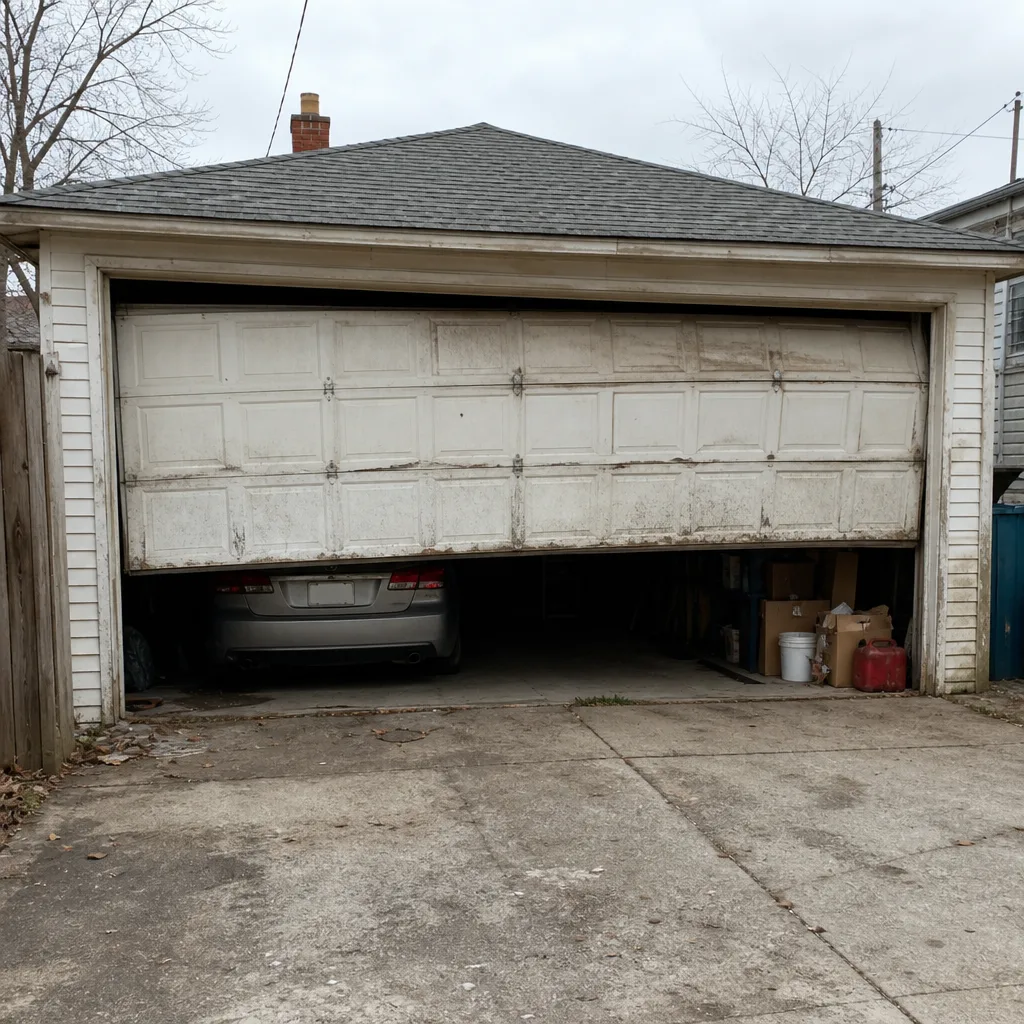 Before
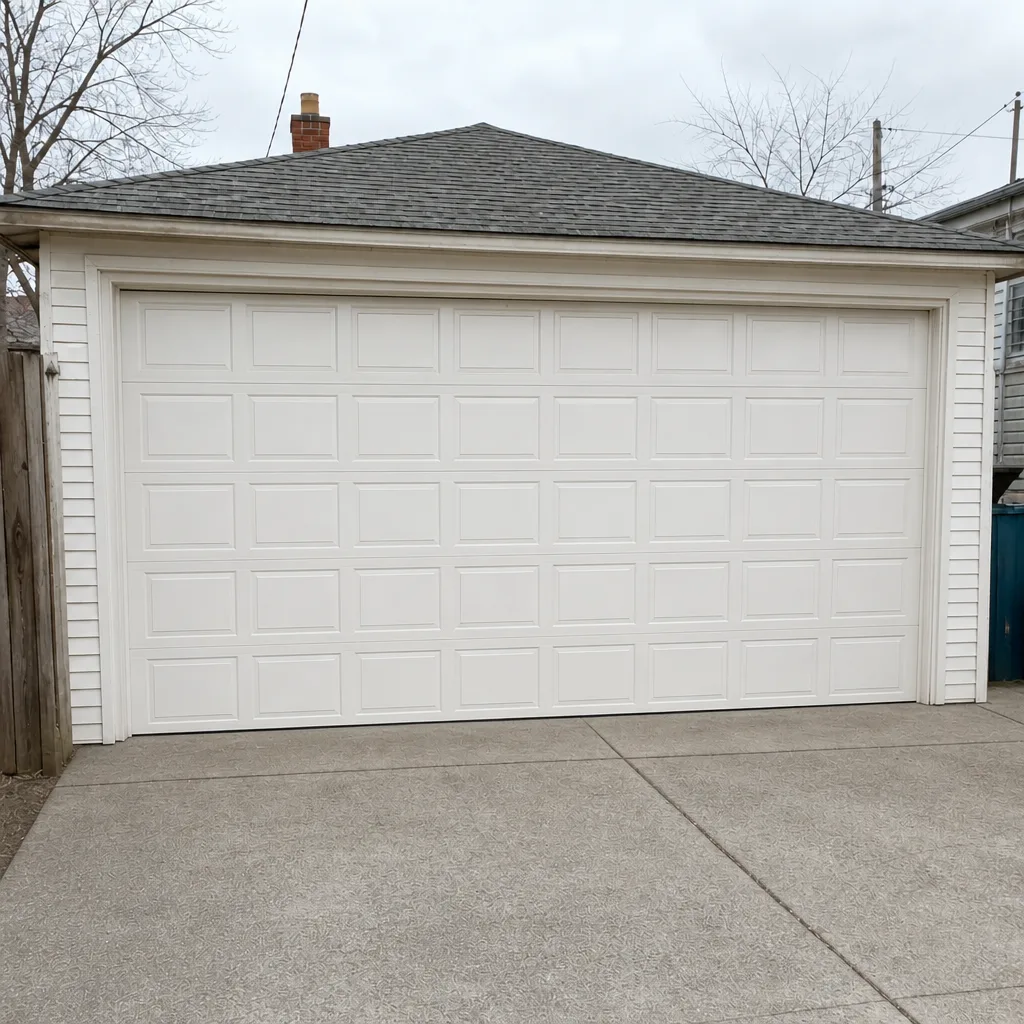 After
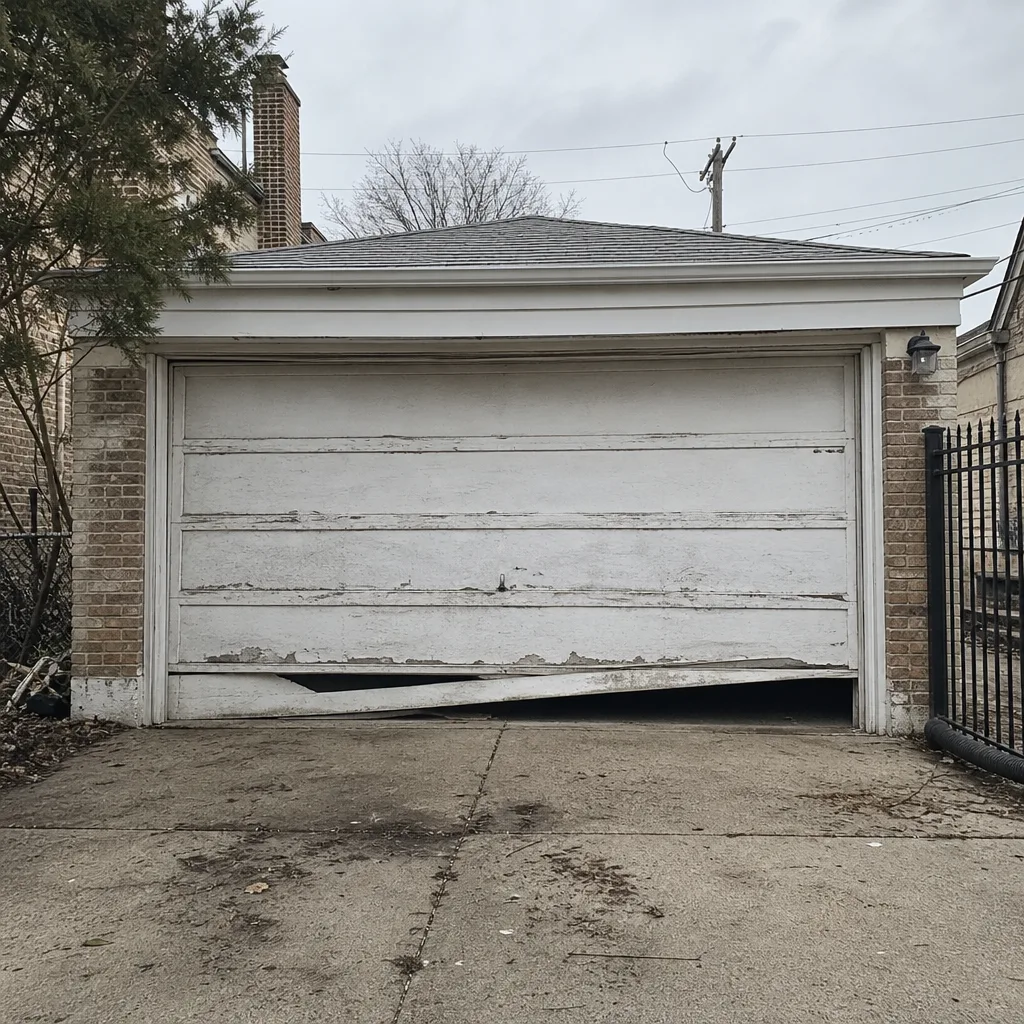 Before
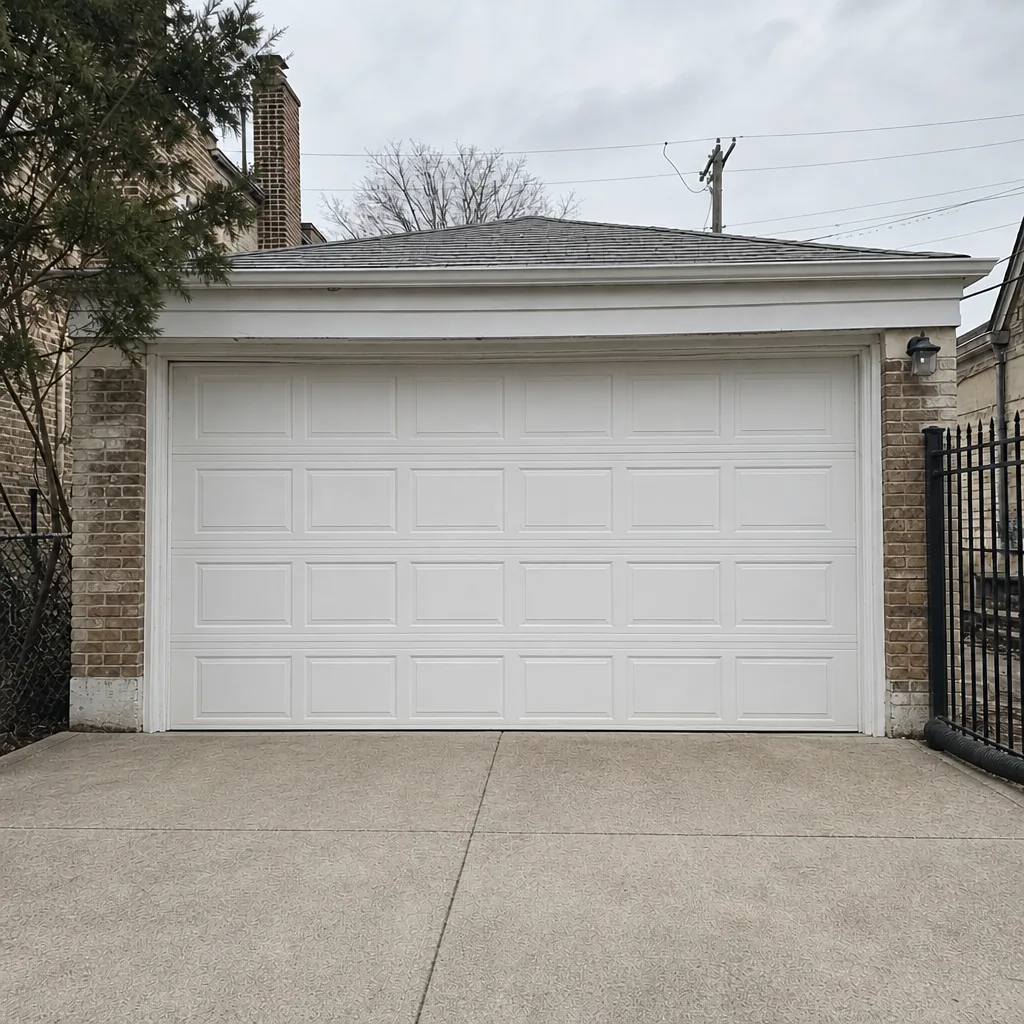 After