
Last updated November 21, 2026
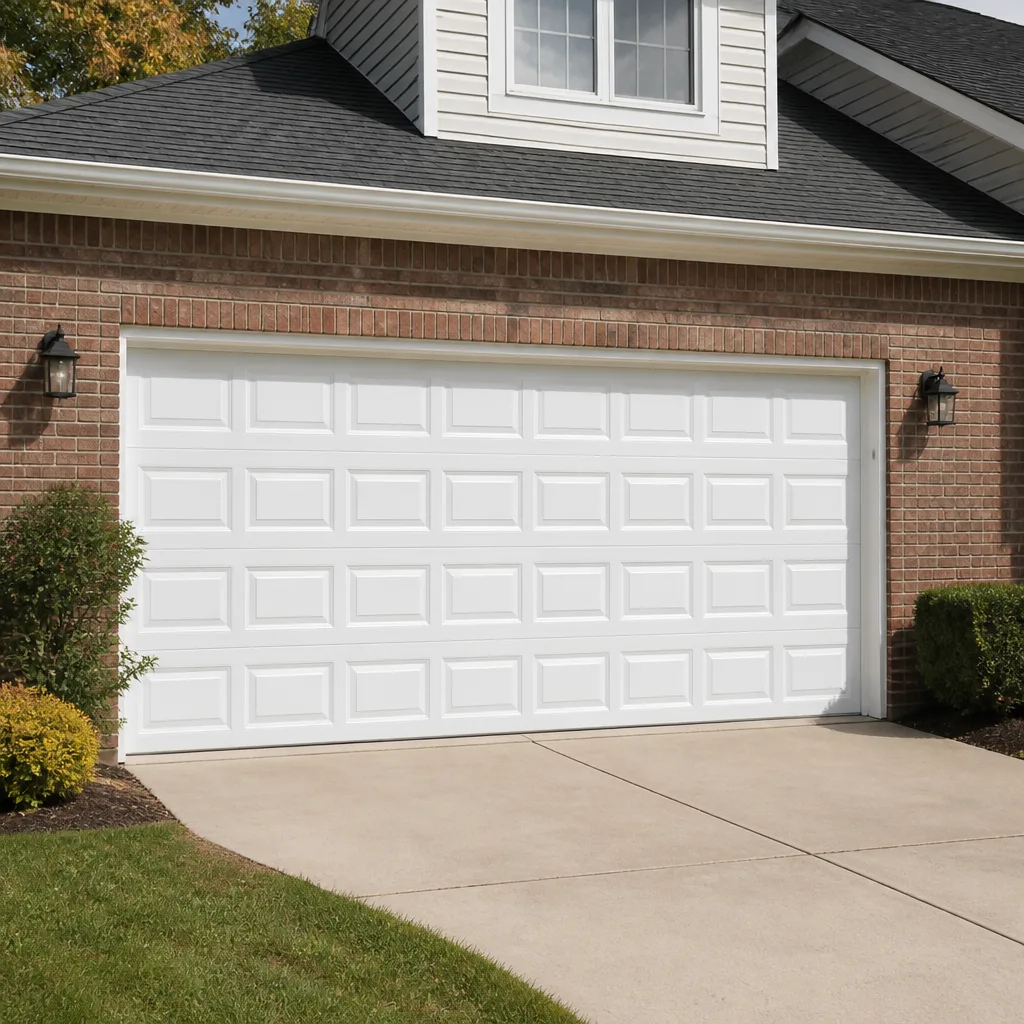 Raised-panel steel
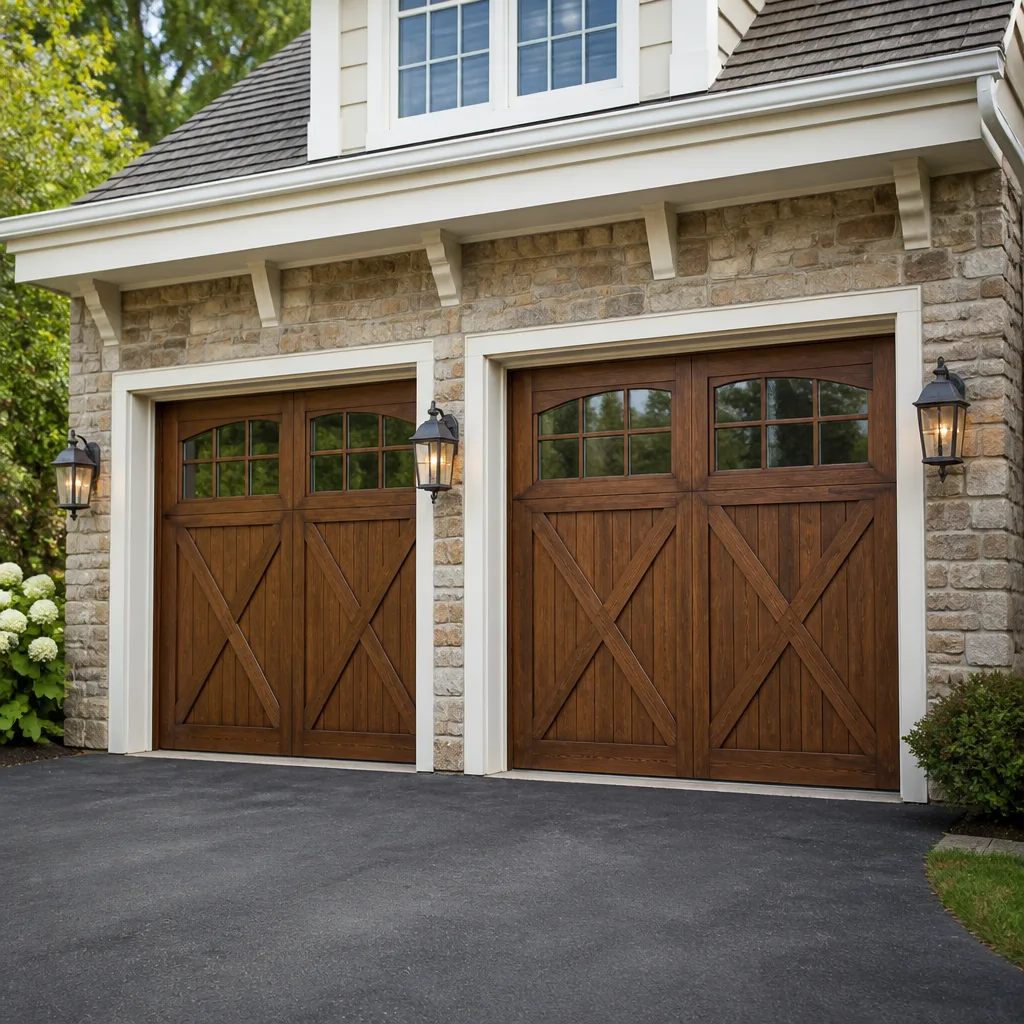 Carriage house
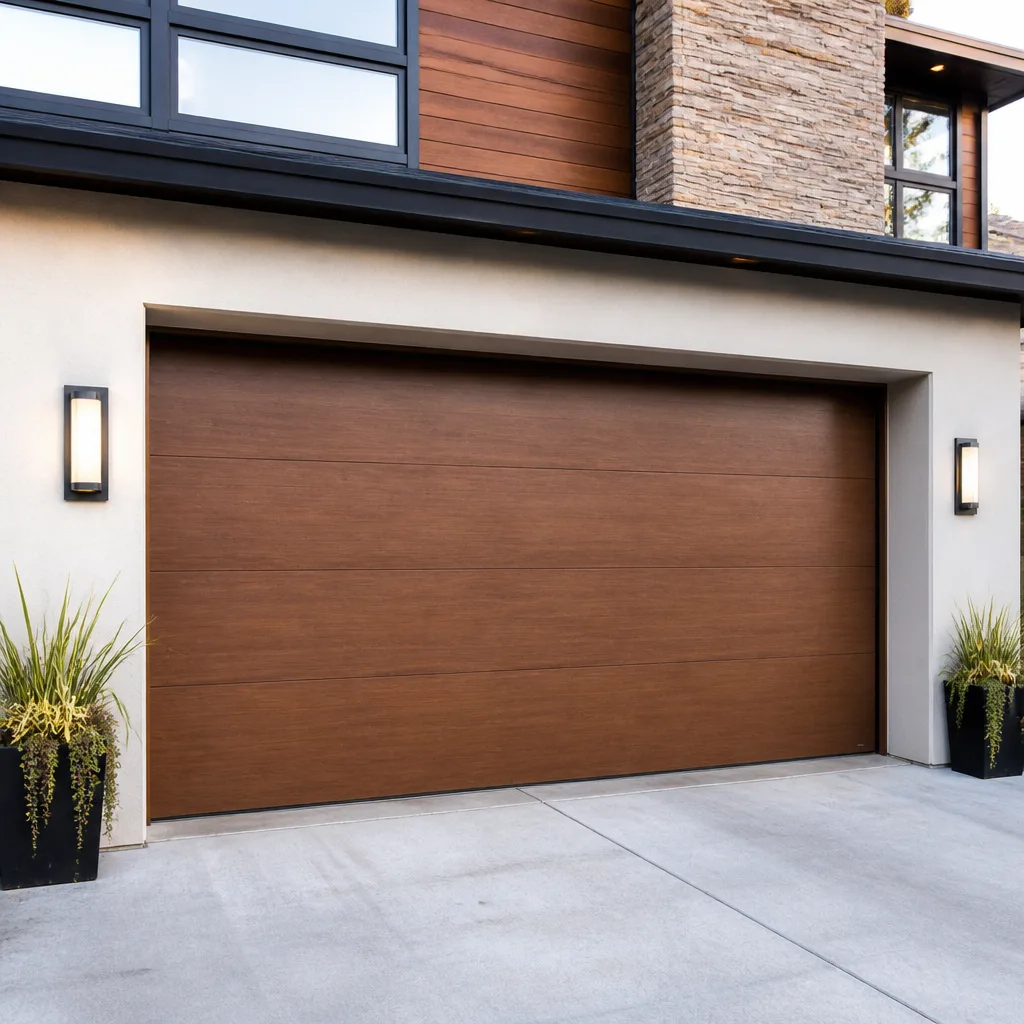 Modern flush
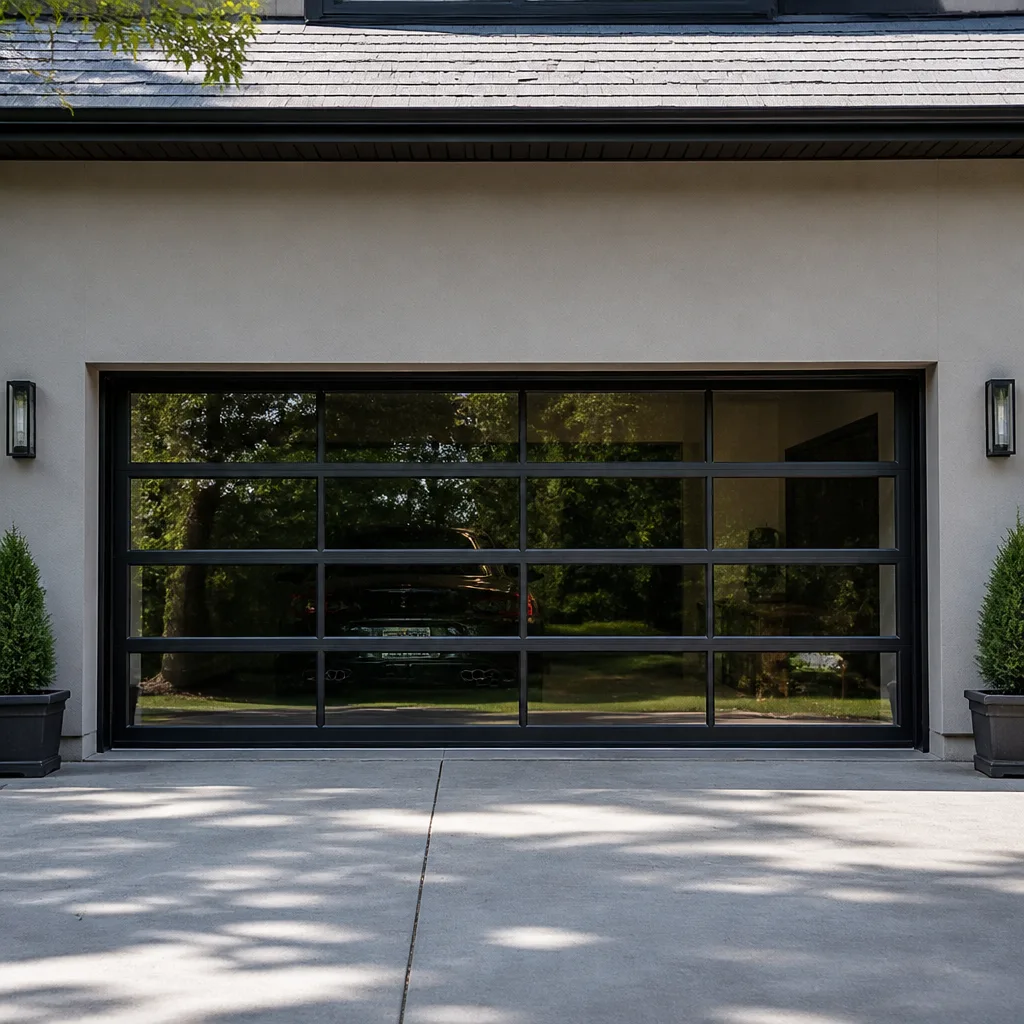 Full-view glass
 LiftMaster openers
 Chamberlain openers
Full 25-point door and opener safety check with every visit - springs, cables, rollers, tracks, and your LiftMaster or Chamberlain opener included
You get a price before we start. It does not change when the pro arrives.
Get your free estimateGarage Door Repair Maintenance Schedule: What to Do and When
Most homeowners who lubricate their garage door reach for WD-40, spray the torsion spring, and figure they’ve handled it for the year. That’s backwards. WD-40 strips the factory coating off a torsion spring and speeds up rust, and the spring is the last part you want rusting. The right product is a lithium-grease spray, applied to the coils, not the shaft. This guide lays out a maintenance schedule built around how parts actually wear: what to check monthly, quarterly, and yearly, with pass/fail criteria you can act on rather than a vague instruction to “inspect for wear.” We work on garage doors across Logan Square, and the schedule here reflects what our technicians see on real doors in this neighborhood’s freeze-thaw climate.
Quick Answer
A working garage door maintenance schedule runs on three intervals: a 5-minute monthly check (cables, reverse-force test, sensor LEDs), a quarterly service (rollers, hinges, bottom seal, lubrication with lithium grease), and an annual inspection by a trained technician for spring tension, cable drum set-screws, and opener force adjustment. Doing the monthly and quarterly tasks yourself keeps the door safe between professional visits, but springs and cable drums should always be left to a technician.
Styles & brands we work with
- Raised-panel steel
- Carriage house
- Modern flush
- Full-view glass
- LiftMaster openers
- Chamberlain openers
Table of Contents
- Why Garage Door Maintenance Isn’t a Once-a-Year Job
- Monthly Checks: Five Minutes That Prevent Most Failures
- Quarterly Tasks: Rollers, Seals, and Lubrication
- Annual Tasks for a Technician Only: Springs, Drums, and Opener Force
- How Logan Square’s Freeze-Thaw Cycles Change the Schedule
- Printable Maintenance Checklist with Pass/Fail Criteria
- Brand-Specific Maintenance Notes: Genie, Clopay, Amarr, and Wayne Dalton
- What You Can Do Yourself vs. What Needs a Pro
Why Garage Door Maintenance Isn’t a Once-a-Year Job
A standard sectional garage door has somewhere between 12 and 15 moving parts, and they don’t wear at the same rate. Treating maintenance as a single annual event means you’re always early on some components and dangerously late on others. A tension spring might need attention after a couple of years of daily cycling, while nylon rollers can run smoothly for five or more. One blanket service schedule can’t account for that difference.
Think about how often your door actually moves. A door that opens and closes four times a day cycles more than 1,400 times a year. That’s a lot of load on the springs, hinges, and rollers. A cottage used on weekends doesn’t see the same wear, and neither does a door that’s mostly left open. The intervals below assume a typical residential door with daily use, which describes most of the homes we work on in Logan Square.
Breaking maintenance into intervals by part wear rate gives you three benefits:
- You catch small problems before they become failures. A frayed cable noticed during a monthly check is a cable replacement. The same cable snapping mid-cycle is a callout, a possibly damaged panel, and a door stuck open.
- You spend less on service overall. Regular lubrication and roller inspection keep the whole system running smoother, which slows wear on the motor and the springs.
- You know what’s normal. When you check your own door every month, you’ll notice the new rattle or the slightly sluggish opener before it turns into a full breakdown.
The schedule also depends on your climate and your door’s exposure. A door on a west-facing garage in Logan Square bakes in summer heat and freezes through winter, and that cycle takes a toll a garage door in a milder climate never sees. We’ll get to the local specifics further down, but the point is that maintenance timing isn’t the same everywhere. For a broader look at repair and what a proper assessment involves, our Garage Door Repair Logan Square page covers how we approach diagnostics.
Monthly Checks: Five Minutes That Prevent Most Failures
Monthly checks are quick visual and tactile inspections, and they’re the tasks that catch the majority of developing problems. You don’t need tools for most of it. You need to know what you’re looking at. Here’s the monthly routine:
- Inspect the cables for fraying. With the door closed, look at both the left and right lift cables running from the bottom bracket up to the drum. You want a smooth, continuous wire. Any broken strands, kinks, or a fuzzy “frayed” appearance is a fail. A fraying cable is under extreme tension and should not be touched beyond a visual check. Call a technician.
- Run the reverse-force test. Close the door and place a 2×4 flat on the floor under the middle of it. Hit the opener. The door should reverse on contact with the wood. If it pushes the board or doesn’t reverse, the force setting needs adjustment. That’s a fail, and it’s a safety issue.
- Check the sensor LEDs. Look at the two safety sensors mounted at the bottom of the tracks on each side. If both are lit steadily, they’re aligned and working. If either is blinking or dark, the sensors are misaligned or the lens is dirty. Wipe them and check again. A blinking sensor means the door won’t close reliably.
- Open and close the door a couple of times and listen. New grinding, squealing, or a heavy groaning sound is a signal something needs lubrication or attention. A smooth, quiet cycle is your baseline for comparison.
These four checks take under five minutes and cover the highest-risk parts of the system. The reverse-force and sensor checks are the ones that most directly affect safety. If a door fails either test, don’t keep cycling it. Call a professional the same day. We can walk through repair options and give a free estimate: call (866) 650-1667. We answer 24/7, and dispatch runs from 7am to 7pm, Sunday through Friday.
Quarterly Tasks: Rollers, Seals, and Lubrication
Quarterly tasks go a layer deeper. This is where you’ll clean and lubricate, and where most of the “why does my door sound like that” questions get answered. Budget an hour for this once every three months.
Roller inspection by part type
Rollers come in different materials, and they fail in different ways. Nylon rollers wear more slowly but can develop flat spots if they bind in a hinge. Steel rollers rust at the bearing, especially through cold winters, and start squeaking. Look at each roller in the hinge track. A roller should turn freely, feel snug in its hinge, and show no visible flat spot or rust streaks. Worn rollers are one reason your door gets loud and stops closing smoothly. Replacement is inexpensive and helps the whole system.
Bottom seal compression check
Run your hand along the rubber bottom seal. It should sit flat on the garage floor across the full width with no gaps. Slid a piece of paper under it at several points. If the paper slides out easily, that seal isn’t making contact, and you’ve got an air and moisture gap. A compressed or cracked bottom seal is common in cold climates like ours. It also lets heat out and pests in.
Lubrication the right way
Use a lithium-grease spray, not WD-40 and not silicon spray meant for general household use. Apply it to the:
- Roller bearings and hinge pivot points, in small amounts
- Do the coils of the torsion spring with the grease spray to keep the coating intact and slow rust
- Do not spray the shaft or the tracks; tracks stay clean and unfastened underneath
On a Clopay or Amarr steel door, hit the hinge points of the bottom and side brackets too. While you’re at it, check the door hardware for loose bolts. A Genie or LiftMaster opener that sounds strained usually has a door or track problem, not a motor problem, so a smooth, well-lubed door helps the opener last longer too. Our garage door opener repair page explains how opener force settings interact with door condition.
Annual Tasks for a Technician Only: Springs, Drums, and Opener Force
The annual inspection is where you hand off to someone trained for it, because the parts involved can injure you badly if handled wrong. A torsion spring stores enough energy to break bones or worse. If you’re ever in doubt, don’t touch it. Here’s what a proper annual visit covers.
Spring tension calibration
A technician measures the door balance to confirm both springs are pulling evenly. Uneven tension is one of the leading causes of a spring breaking before its time. They also check for rust at the coils, which is where springs typically fail first. Springs have a finite cycle life, and no schedule extends that, but they do reveal when it’s nearing the end. Spring repair is our most common call, and our technicians are trained specifically for it.
Cable drum set-screw torque
The cable drums at the top of the tracks hold the lift cables under tension. Their set-screws can work loose over thousands of cycles. A technician checks and re-torques them, which is a job that requires the tension to be properly managed first. Loose drums are a hidden cause of sudden cable failure.
Opener force and limit adjustment
Modern LiftMaster and Chamberlain openers have adjustable force and travel-limit settings, usually via dip switches or a control board. A technician verifies the force is set correctly so the door reverses properly and the motor isn’t strained. If your opener is underpowered or overworking, we may repair or adjust the unit rather than replace it. For a full replacement, our garage door installation page covers options and pricing structure.
How Logan Square’s Freeze-Thaw Cycles Change the Schedule
Logan Square’s winters aren’t just cold; they alternate. Days of freezing followed by thawing and refreezing do more damage to garage doors than a constant deep freeze. That swing changes what you should prioritize.
Freeze-thaw cycles are tough on the bottom seal. Water sneaks under a slightly lifted seal, freezes, expands, and cracks the rubber. That’s why we recommend a quarterly bottom-seal check here, and again after any thaw cycles. If the seal is starting to crack, replace it before next winter, because a cracked seal lets snowmelt in and that water refreezes against it.
Cold also hardens grease. Grease in the tracks and on the rollers can thicken in low temperatures and cause stiffer operation in the morning. Keep the tracks clean and apply thinner coats of lithium grease in the months before winter. Doors on garages in Logan Square that face north or sit in shade most of the day see this more.
Rust on torsion springs is another local issue. The moisture from repeated freeze and thaw speeds rust at the coils, and rusted coils are where springs break. Maybe you don’t notice it, but the door starts to feel stiff and the opener works harder. Give the springs a light coat of grease at each quarterly service.
If you’re a homeowner here and want a hand with the schedule, our team works throughout Logan Square, from the blocks around the boulevard to the homes near Palmer Square. We keep a garage door repair crew that knows these conditions and can help you get a plan in place.
Printable Maintenance Checklist with Pass/Fail Criteria
This is the checklist format to keep on the garage wall. Each item is pass or fail, with an action that follows. This is more useful than “inspect for wear.”
Monthly (5 minutes)
- Cables: Pass = smooth wire, no fray. Fail = kink, fray, or broken strands. Action: call a technician, don’t touch.
- Reverse-force test (2×4): Pass = door reverses on contact. Fail = door pushes on or ignores board. Action: adjust force or call.
- Sensor LEDs: Pass = both steady. Fail = blinking or dark. Action: clean lenses, then call if still blinking.
- Listen during cycle: Pass = quiet, even. Fail = new grinding or groaning. Action: check lubrication and hinges.
Quarterly (about an hour)
- Rollers: Pass = turn freely, no flats or rust. Fail = wobble, flat spot, rust. Action: replace.
- Hinges and bolts: Pass = snug. Fail = loose or missing. Action: tighten or replace.
- Bottom seal: Pass = flat contact, paper won’t slide out. Fail = gaps or cracks. Action: replace seal.
- Lubrication: Pass = grease on rollers and hinges. Fail = dry. Action: lithium-grease spray.
Annually (professional visit)
- Spring balance: Pass = door rises evenly. Fail = uneven or bouncy. Action: technician calibration.
- Cable drum set-screws: Pass = tight. Fail = loose or missing. Action: technician only.
- Opener force and limits: Pass = reverses properly, travels fully. Fail = one of those doesn’t hold. Action: technician adjustment.
This schedule should be adjusted if your door gets unusually heavy use, has no opener, or is a heavier wood or carriage-style door. A trained eye can tell you what your specific door needs, and that’s what the annual visit is for.
Brand-Specific Maintenance Notes: Genie, Clopay, Amarr, and Wayne Dalton
Most maintenance tasks are the same across brands, but a few brand-specific details are worth knowing. We handle service and parts across Genie, Chamberlain, Clopay, Amarr, Wayne Dalton, Craftsman, Raynor, and LiftMaster, so we’ve seen the same parts wear on each.
Genie openers often use a chain or belt drive with a force adjustment that can drift, particularly on older screw-drive models. If a Genie unit feels weak, have the force checked before assuming the motor is failing.
Clopay and Amarr steel doors have their hinges and rollers exposed to the elements, so the quarterly grease routine matters more. Their bottom seals are typically the first part to show freeze-thaw wear in Logan Square winters.
Wayne Dalton doors use a torsion setup on many models that benefits from careful annual spring checks. Loose or stretched springs on these systems reveal themselves as a door that won’t stay fully up. Regardless of your brand, our approach is simple: we bring the part, we do the repair, done. Tell us what you have and we’ll tell you what it needs.
What You Can Do Yourself vs. What Needs a Pro
Not all maintenance is equal: some saves you money and some risks injury. Here’s a clean split.
Safe for you: Lubrication (rollers, hinges, springs with grease), sensor cleaning, reverse-force test, visual cable inspection, tightening loose hinge bolts, checking the bottom seal, and listening for new sounds. These are the tasks that make up the monthly and quarterly schedule above. They’re the ones most homeowners can keep up with.
Leave to a technician: Anything involving the torsion spring, cable drums, or the opener’s force and limit settings. A torsion spring can fail without warning and release extreme force. Never try to adjust, replace, or tension a spring yourself, and don’t remove the cable drums or try to re-wind cables. If a cable is fraying, you’ve got a metal wire under tension that can snap and lash. If you have a broken spring or an uneven door, that’s a call-in job. We work on springs and cable systems all the time, and we’d rather see your door on our schedule than see you injured on a DIY repair.
A good rule: if it involves tension, leave it. If it involves cleaning or greasing, it’s fair game. In our experience, the minor DIY items keep the door running between professional visits. The professional visits catch what visual inspection can’t.
Common Mistakes to Avoid
- Using WD-40 on the springs. It strips the factory coating and lets rust creep in. Use a lithium-grease spray instead, and apply it to the coils, not the shaft.
- Greasing the tracks. Tracks should stay clean and dry. Grease collects dirt that halts the rollers. It’s a common error.
- Skipping the reverse-force test. It’s the one check that catches a serious safety problem. Do it monthly, and don’t ignore a fail.
- Waiting for a noise before checking. By the time a door is grinding, wear is already advanced. Use the monthly routine to catch it early.
- Forgetting the bottom seal for a Logan Square winter. A cracked seal lets in snowmelt that refreezes and expands the damage. Check it before the freeze hits.
- DIY spring work. The single most dangerous garage door task and the one to leave to a trained technician. We decline jobs where a homeowner has tried to adjust a spring and put themselves at risk.
- Thinking a full annual service is the only maintenance. Springs age at different rates from seals and rollers. Follow the monthly, quarterly, and annual intervals.
See the difference
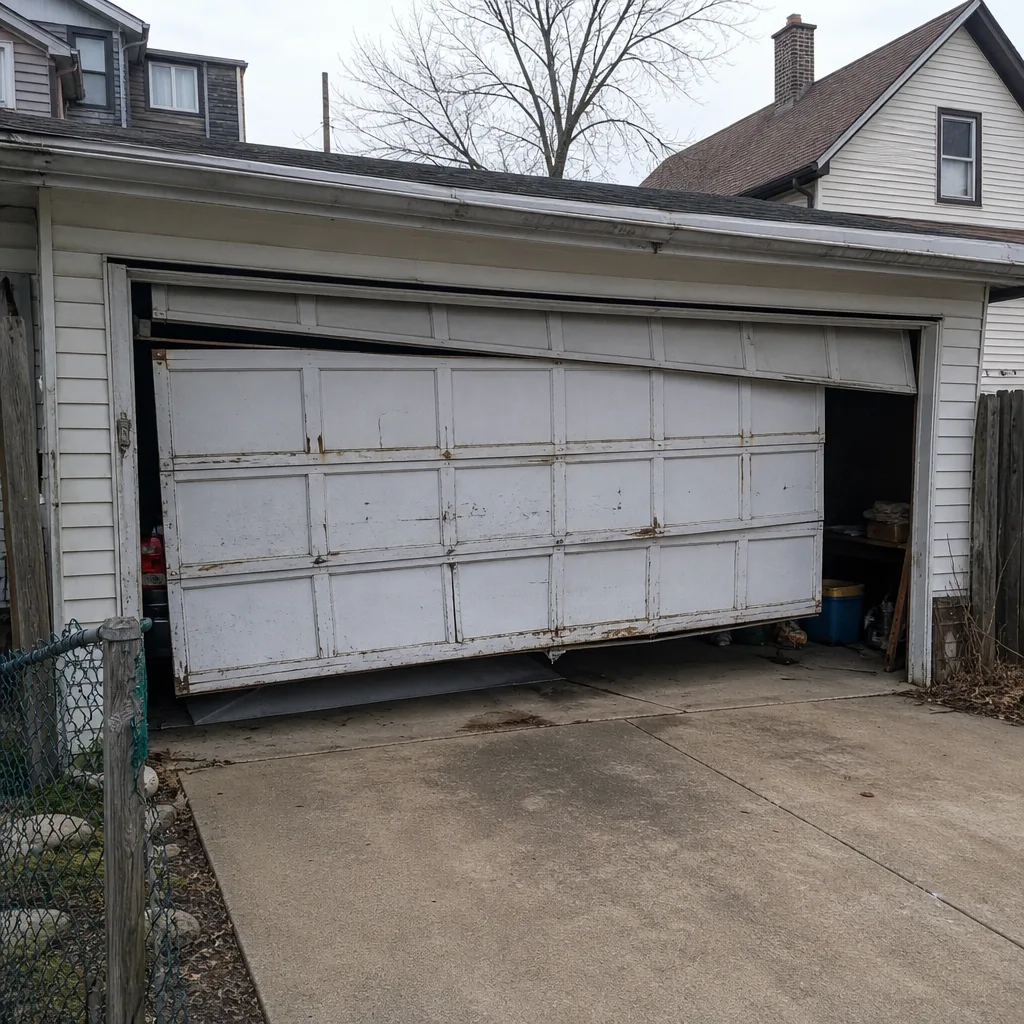 Before
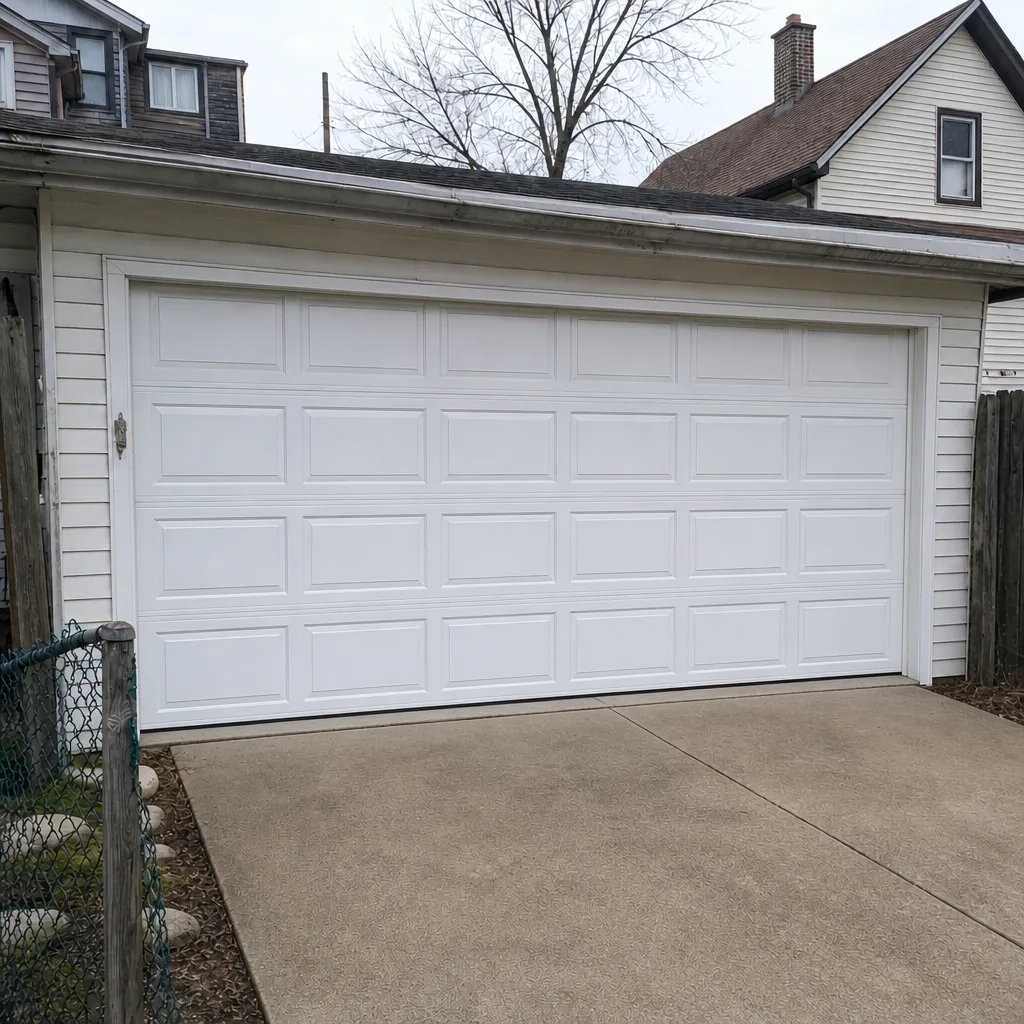 After
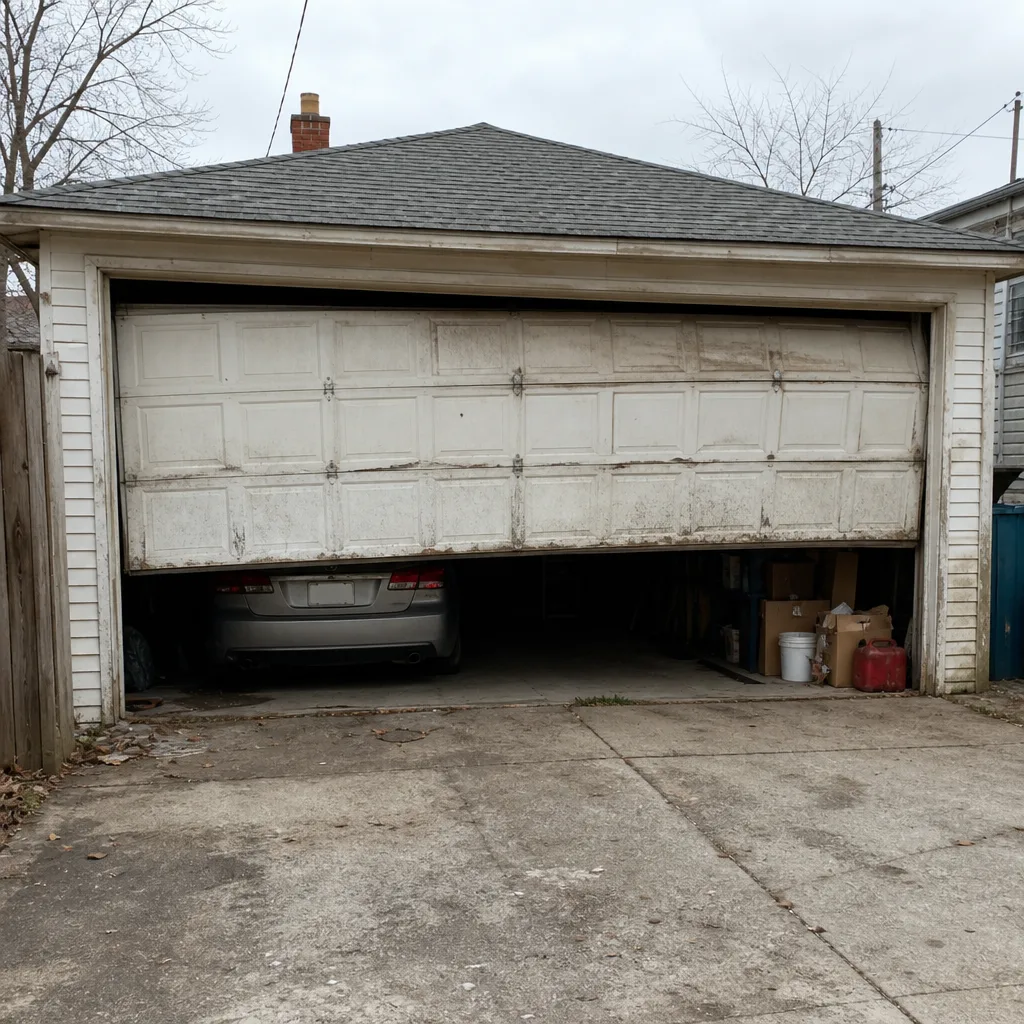 Before
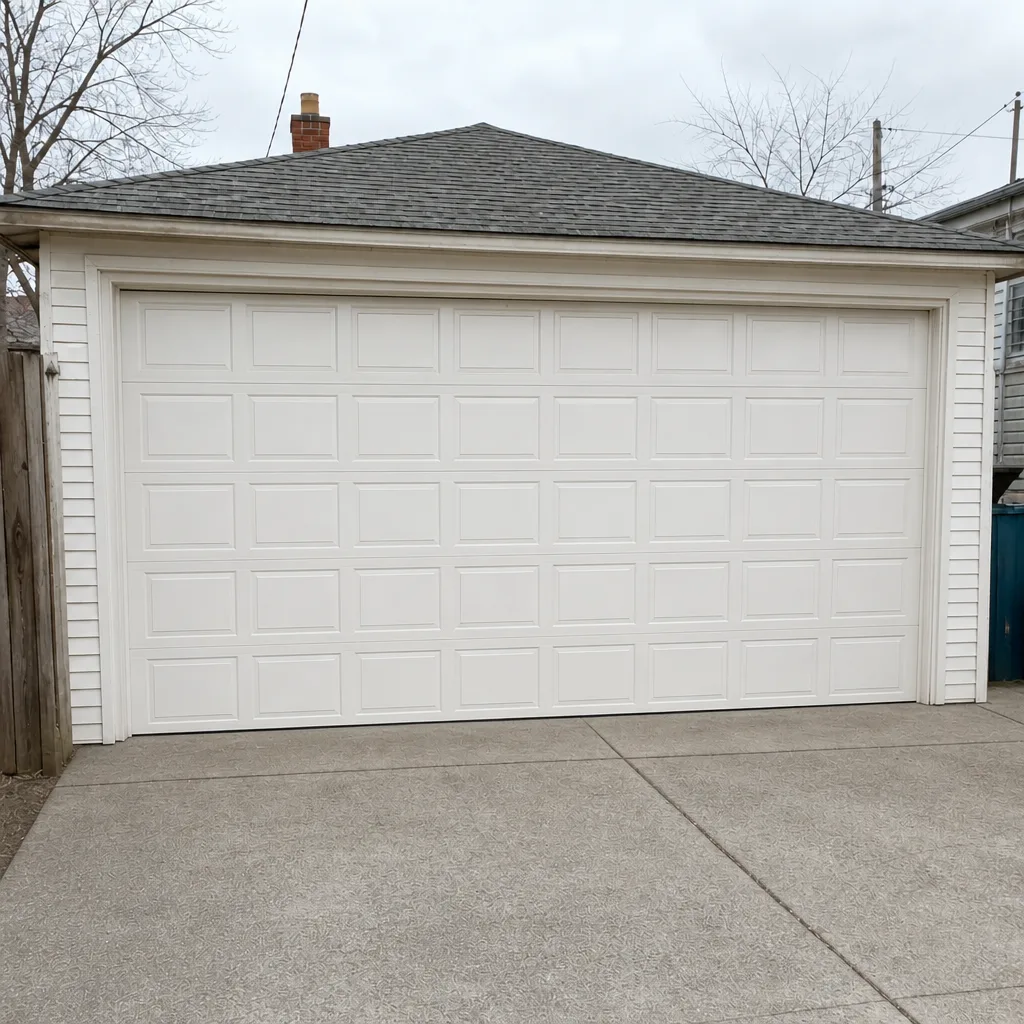 After
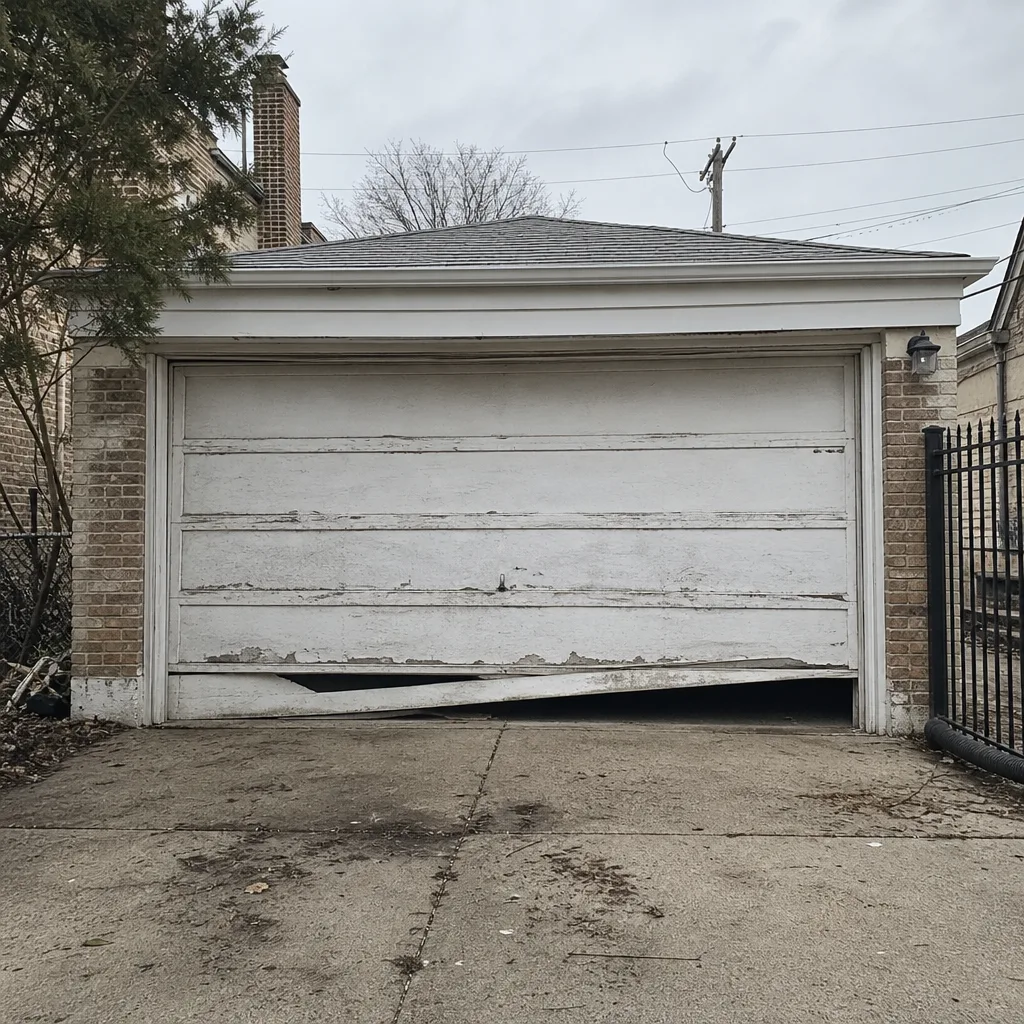 Before
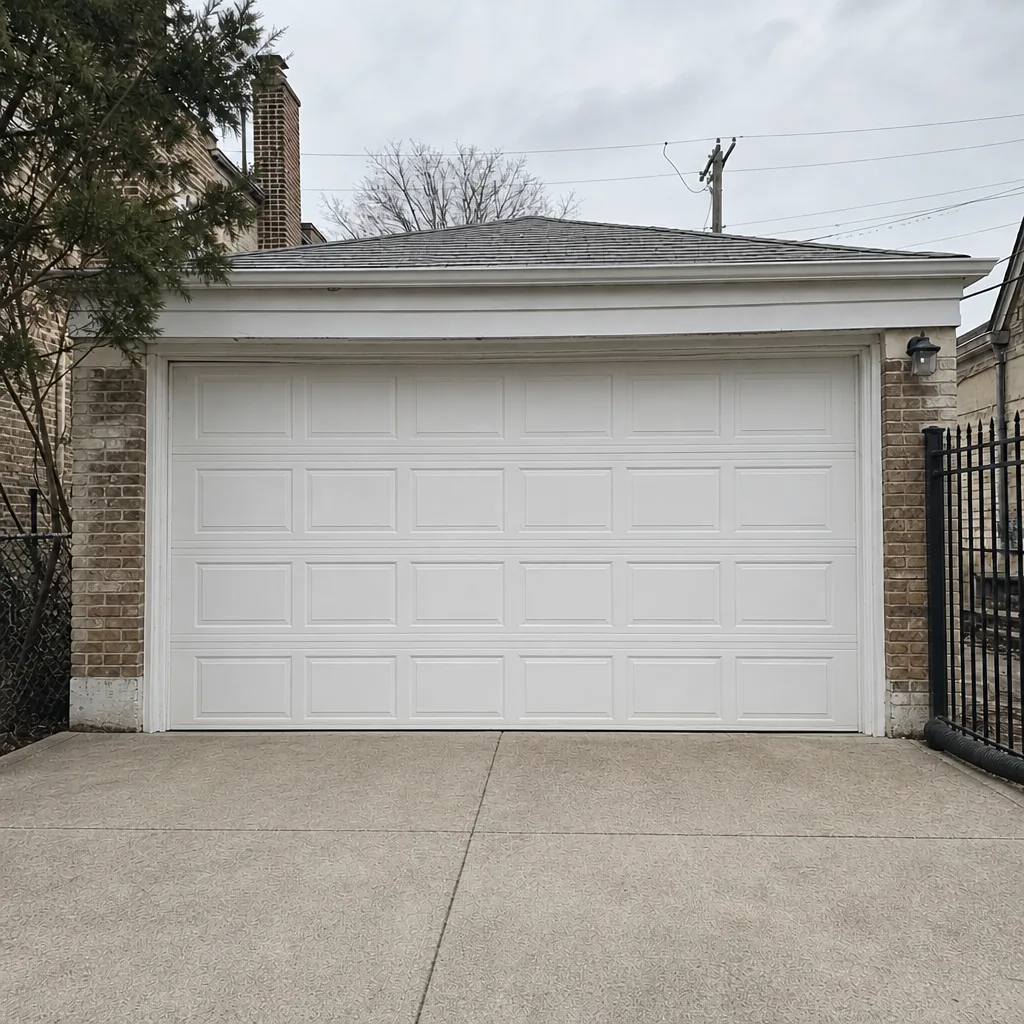 After
When to Call a Professional
Call a technician if you’re not confident about any step above, or if you see or hear these specific warnings: a frayed cable, a spring that looks rusted or snapped, a door that hangs unevenly or won’t stay up, a bottom seal that crumbles or breaks, or an opener that won’t close reliably. If your door fails the reverse-force test or a sensor stays misaligned after cleaning, call. If you’re a Logan Square homeowner and aren’t sure whether a noise or gap warrants a visit, it’s fine to call and ask. Garage Door Repair Logan Square offers free estimates in Logan Square. Our technicians have up to 13 years of experience, and we specialize in the parts that matter. Call (866) 650-1667. We answer 24/7. Fast dispatch from 7am to 7pm, Sunday through Friday.
Frequently Asked Questions
Do a quick visual check monthly, a deeper clean and lubrication quarterly, and a professional inspection once a year. That split matches how the parts actually wear. Springs and opener force settings aren’t things you can properly check by eye.
You should only inspect your springs visually from a distance, looking for rust or obvious failure. Don’t touch them, and never try to adjust, replace, or tension one. A torsion spring stores dangerous force. If it looks rusted or the door feels off, call a technician.
A lithium-grease spray, applied to the coils, not the shaft. Avoid WD-40, which strips the factory coating and encourages rust. Grease on the coils helps in freeze-thaw weather because it keeps moisture off the metal.
Cold hardens grease and stiffens rubber seals, so the door doesn’t move as smoothly. Freeze-thaw cycles also crack seals and let moisture reach the springs and tracks. Keep the tracks clean and lubricate before winter, and you’ll hear the door quiet down.
Yes, rollers and hinges are among the safer DIY parts, as long as you’re not touching tension parts. Nylon rollers and steel rollers show wear differently: look for flat spots or rust at the bearing. Replacing them quietly knocks a lot of sound out of the door.
We work on the brand you already own, including Genie, Clopay, Amarr, Wayne Dalton, Chamberlain, Craftsman, Raynor, and LiftMaster products. Springs, openers, panels, and full installs are one call for us. Tell us what you have, and we’ll tell you exactly what it needs. For an exact quote, call (866) 650-1667. Estimates are free.
The Bottom Line
Garage door maintenance works best as a schedule, not an event. Monthly checks (cables, reverse-force test, sensor LEDs) catch developing problems in minutes. Quarterly tasks (roller inspection, bottom seal, lubrication with the right product) keep the door smooth and quiet. The annual professional inspection handles the parts that need training: spring tension, cable drums, and opener force. In Logan Square, the freeze-thaw swings make the quarterly seal and lubrication checks especially worth doing before winter. Over the whole system, the goal is to catch wear before a failure and know when to call. A simple checklist and a yearly technician visit are all it takes.
We handle the full range of garage door work: repairs, opener repair, spring replacement, parts, and new installations. Our team works across Genie, Chamberlain, Clopay, Amarr, Wayne Dalton, Craftsman, Raynor, and LiftMaster products throughout Logan Square. If it’s time for your annual inspection or you’re troubleshooting a problem, call (866) 650-1667 for a free estimate. We answer 24/7. Fast dispatch from 7am to 7pm, Sunday through Friday.
Written by the team at Garage Door Repair Logan Square.